A week on Sunday no. 37

The week, in summary

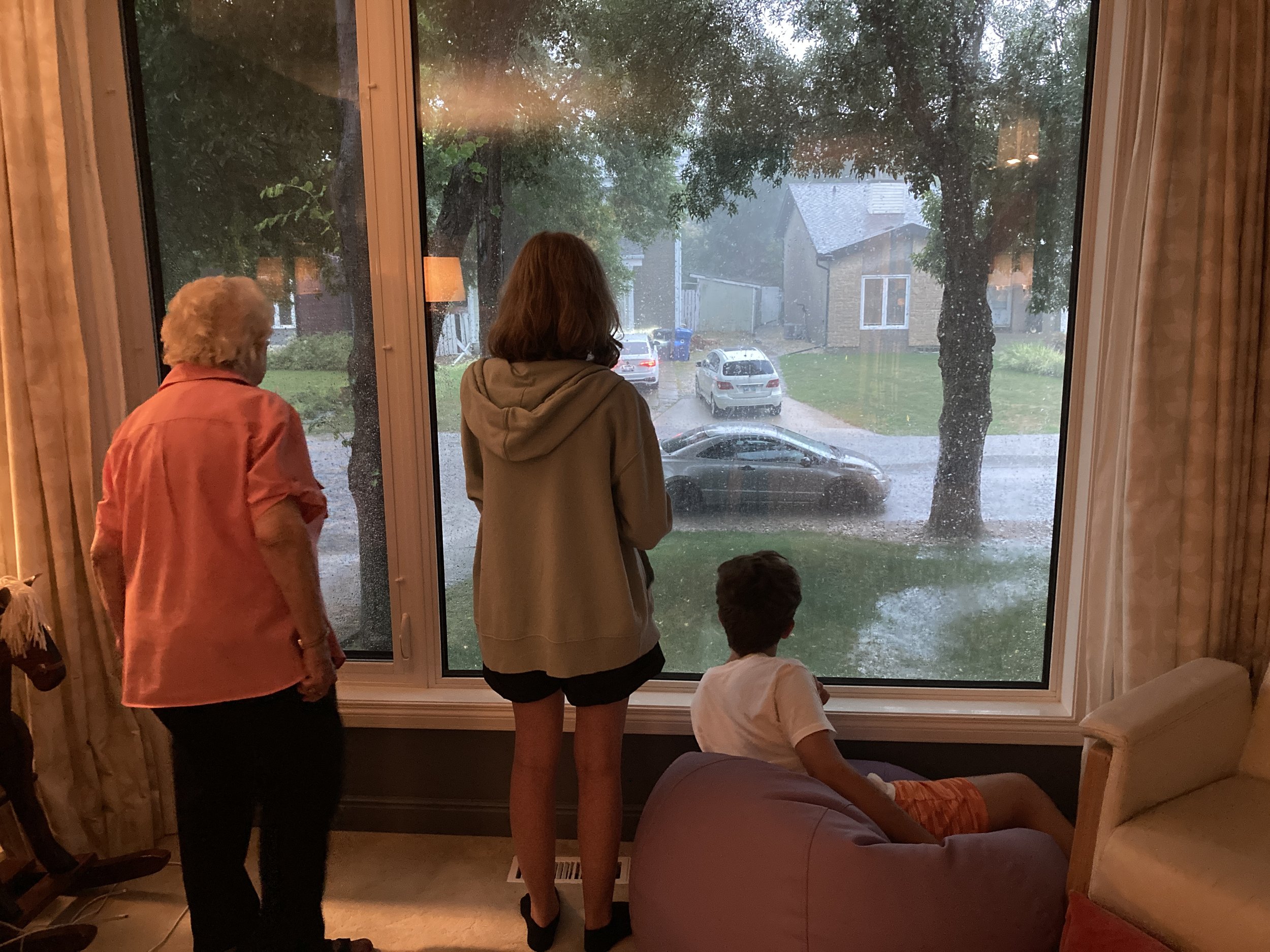
There was a storm last Sunday and I like the picture I took of us, cozy inside, peering out as so much rain made a stream on our front lawn, a waterfall off the bark of our linden tree, and a mini geyser over the manhole cover in the street. 
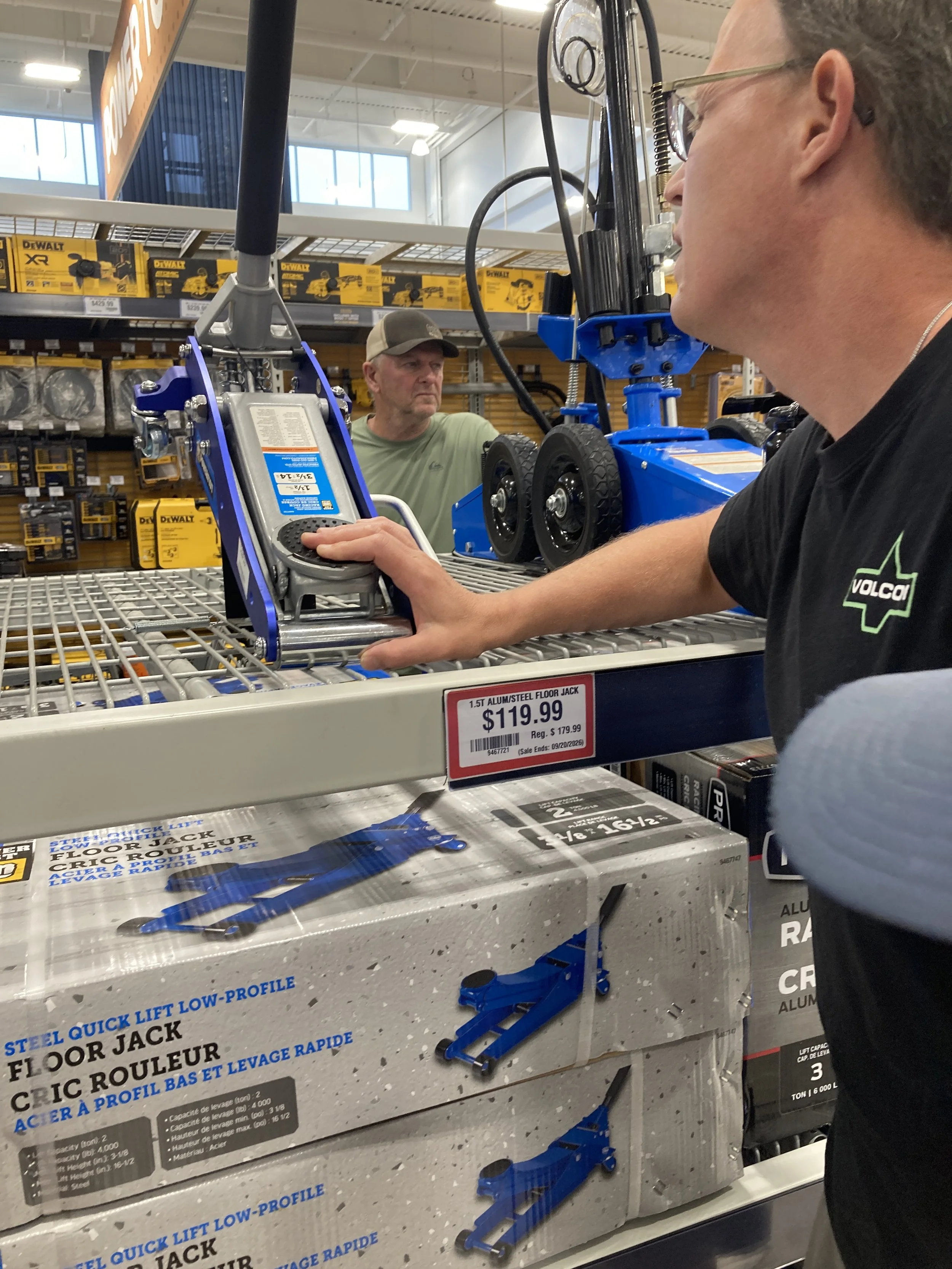
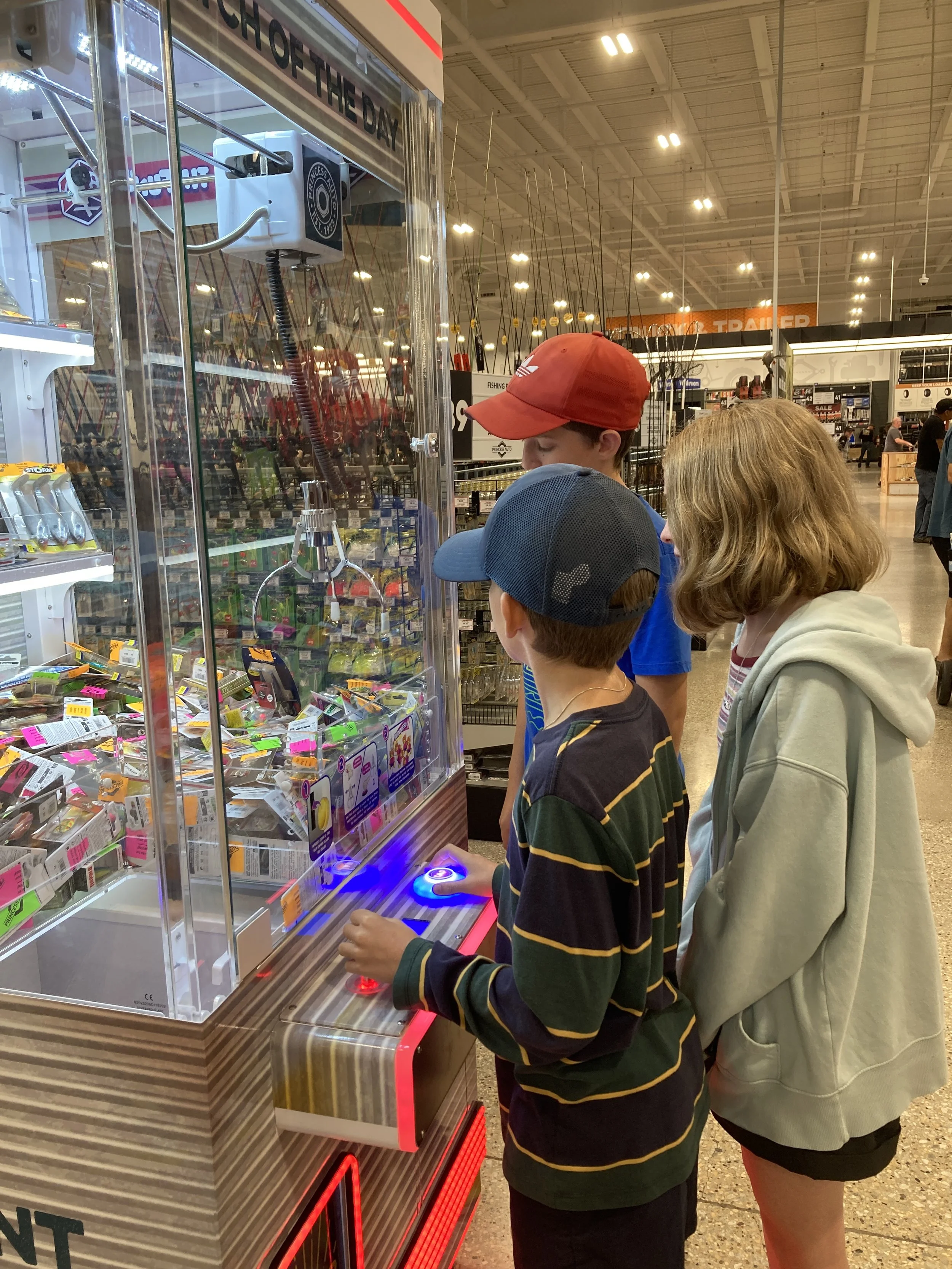
We visited Princess Auto’s new location on Monday for fun. It was a grey day. It’s an unfamiliar store. We took note of their inventory and brought home a catalogue, tested their coffee and bought a few things…
Tuesday I ran school-related errands with the kids and did not take a single picture of anything. Instead there’s an account of our mall visit in receipts: eight stores in two hours. On Wednesday there were meetings with teachers, as is customary before the school year starts. It’s a common topic of conversation… the fact that there are parent-teacher meetings and that they occur before the start of school. My husband has repeated it often: meeting with students before classes is a good thing! It makes the first day of school less nerve-wracking! I saw this dead golden moth on the freshly-waxed hallway floor and thought it was pretty. 

Thursday was a first day for high school students, and Enzo missed our daughter. I’d try to catch him moping, but he’d feign alertness…. 
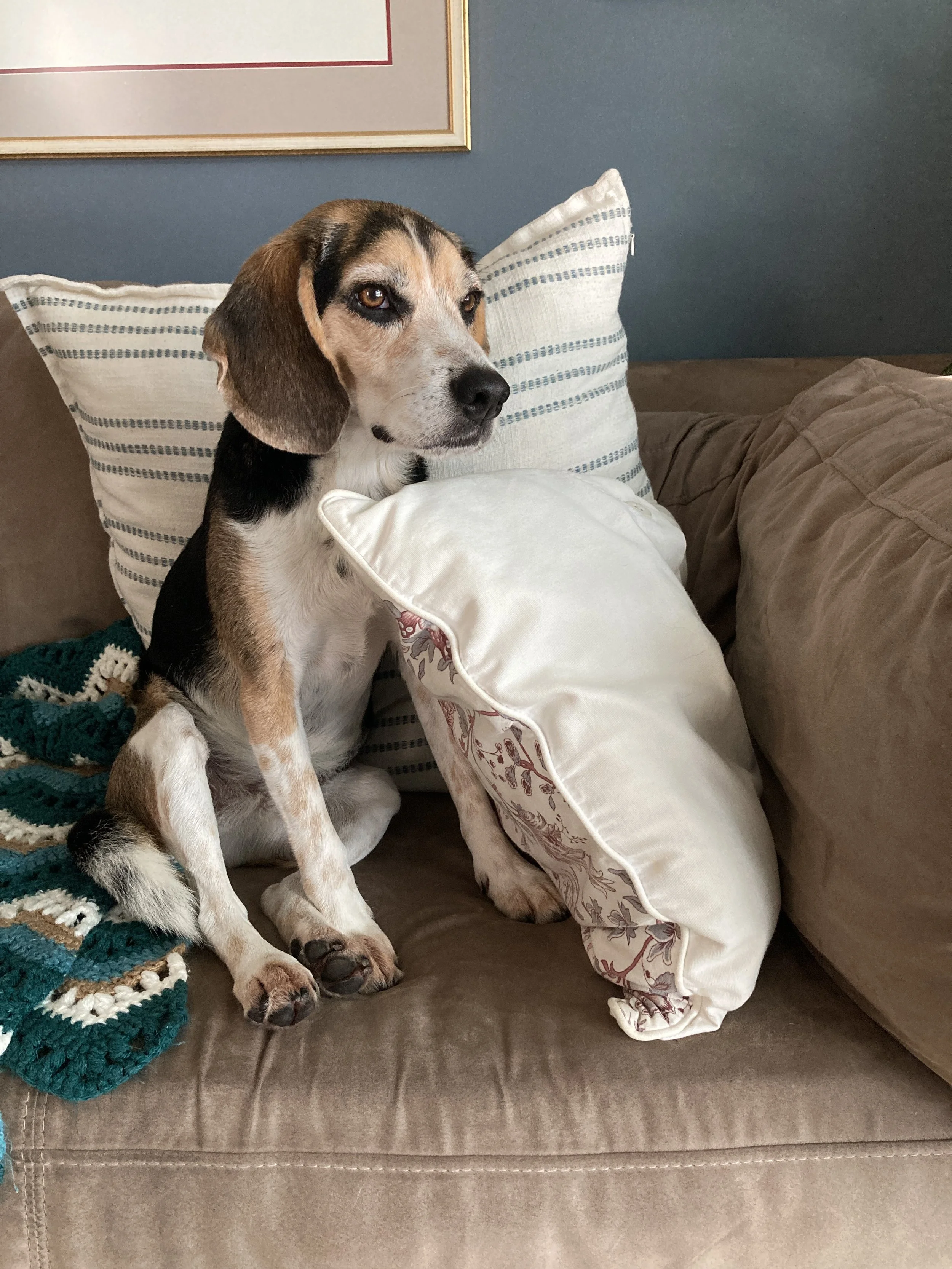
I sat beside him long enough, pretending to scroll, till he finally rested, just a bit.
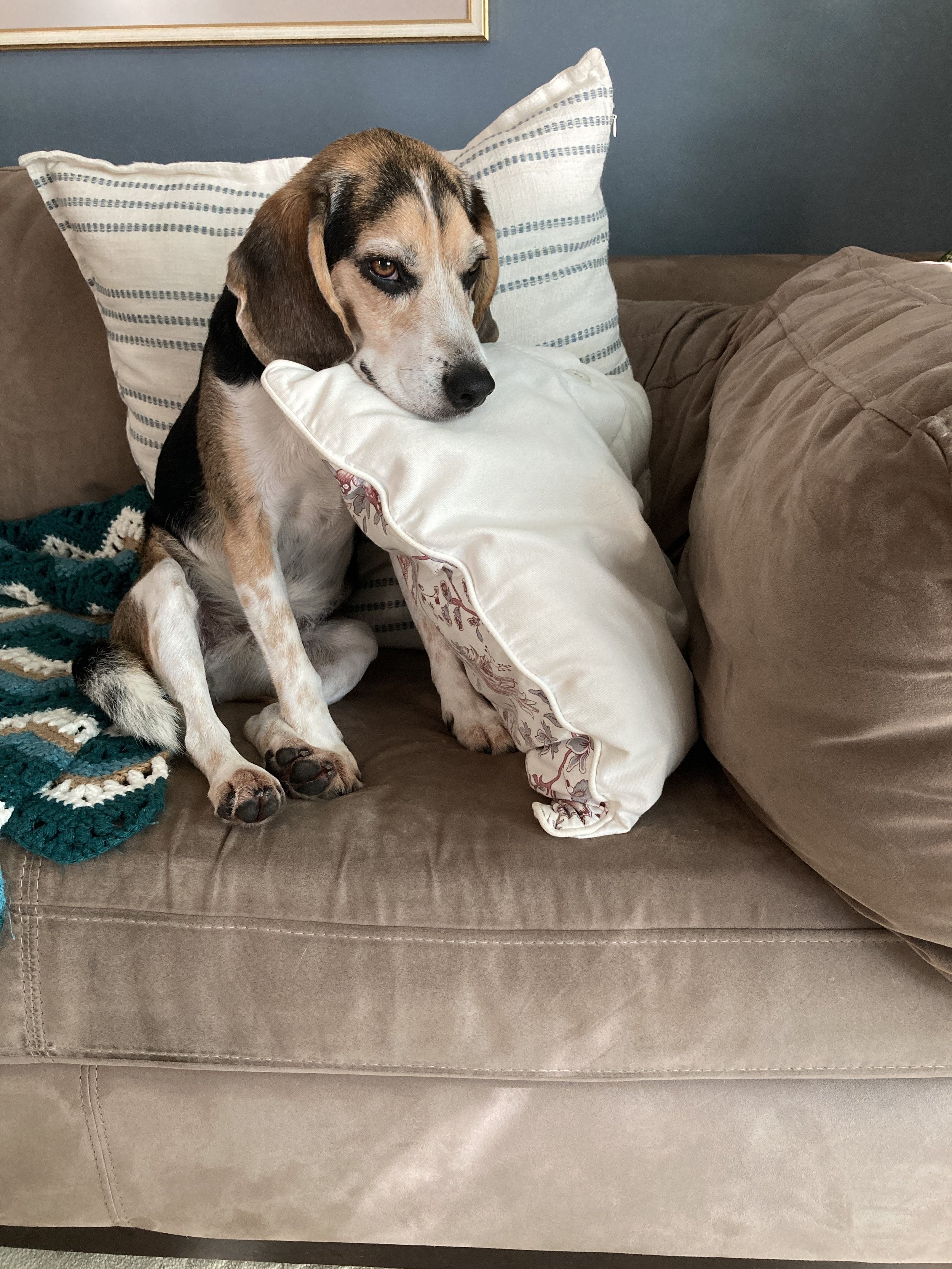


Then it was Friday and everyone went to school. 

I walked the dog and came home to discover a power outage. So I left home and went to the library downtown to look at books. I spent time in the cookbook section (some covers are so pretty!)…
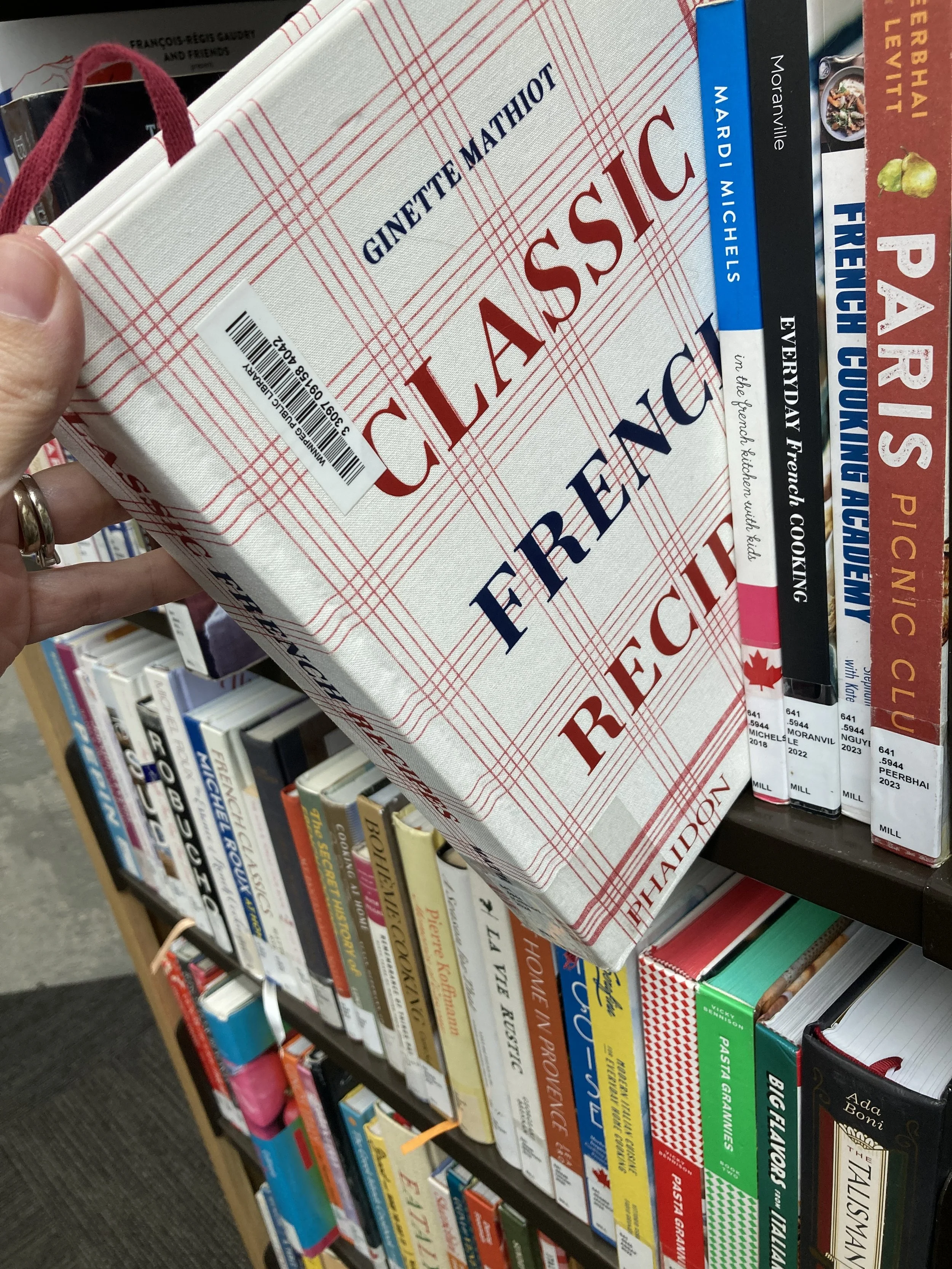
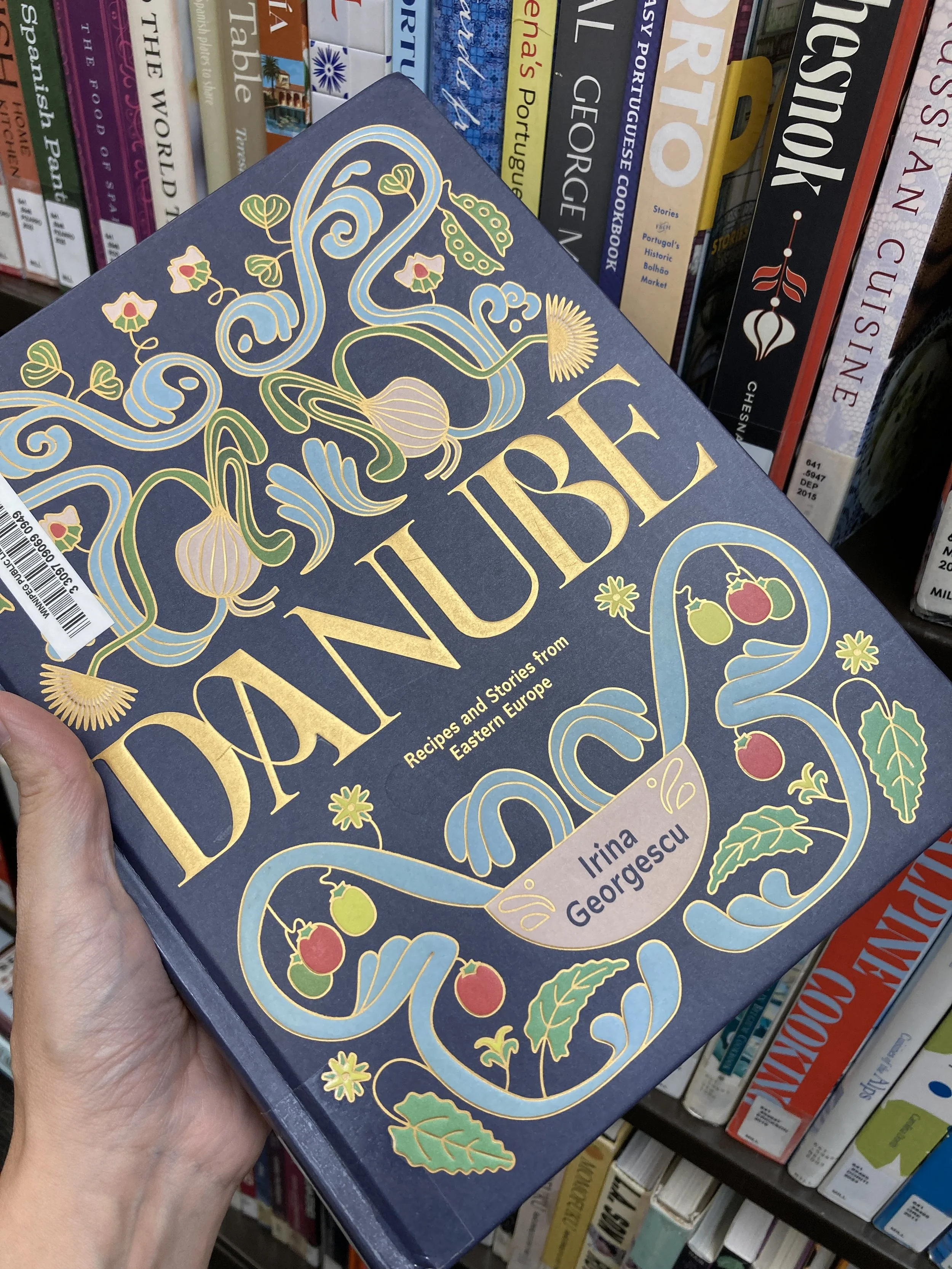
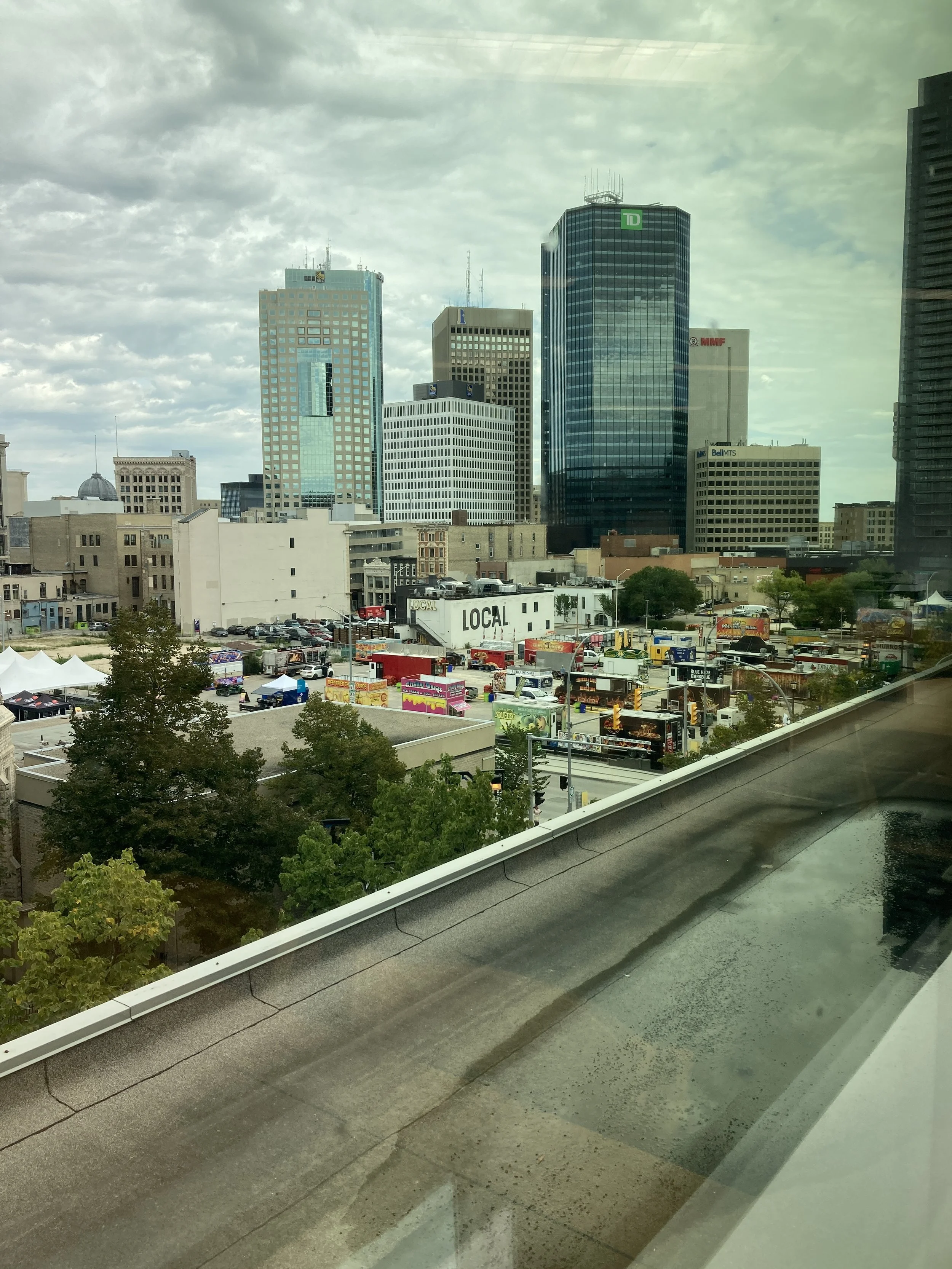
… before finding a window seat a getting some reading done. My view included preparations for the Winnipeg Biz’s Food Truck Wars (here). Then home!
Enjoying

  1. Listening to the “How to Be a Better Human” podcast, I liked what guest Hrikishesh Hirway said about creative pursuits:
    “I talked myself out of doing the thing that I loved for many, many years, and I guess at a certain point, I just felt like that was one kind of unhappiness - not making stuff - and I preferred the unhappiness of making stuff. It was a matter of recognizing how much of myself was missing at a certain point. I felt like to be complete, I needed to be engaged with the part of myself that wrote songs, that made music, that was personal, and that I could really pour all of myself into.” (Here)

  2. An informative website about the war in Ukraine is not enjoyment, but I found it very enlightening. Up until now the idea of drone warfare has been very abstract. (Here, via)

  3. This video by Elle Cordova was a delight to watch (and re-watch)!

Cooking

Saturday morning, I plan the week’s menu. Yesterday, the dog wanted to bark at cars stopping for an open house. And there was a cookbook I brought home from Friday… so part of menu planning looked like this:
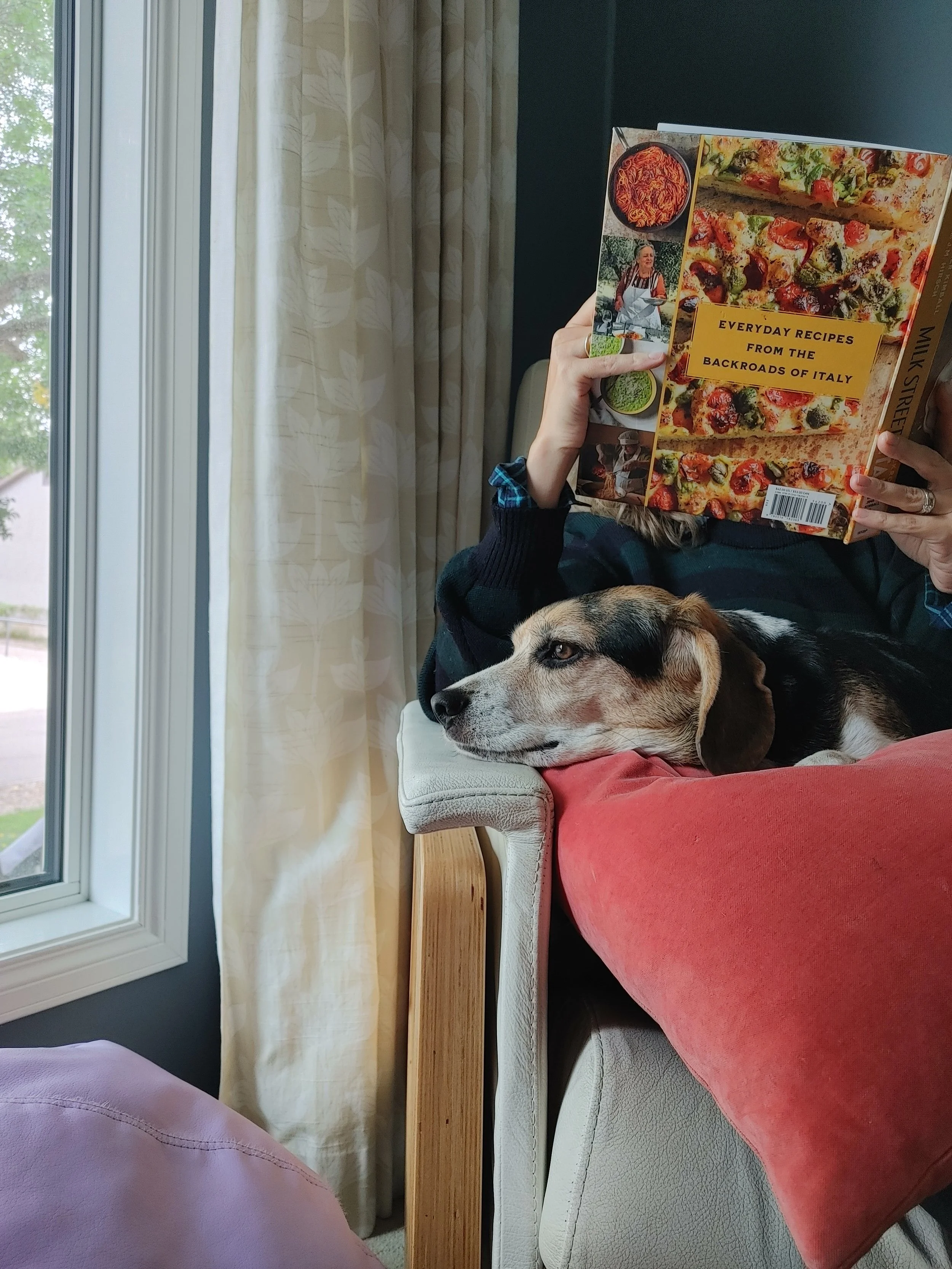
The cookbook is Milk Street Backroads Italy: Finding Italy’s Forgotten Recipes (published in 2025, see here). Flipping through the pages, I read this section titled “The pope’s pasta carbonara”:

We’re talking about pasta alla papalina, which roughly translates as pasta for the pope. Now almost 100 years old, it has become a classic - if little known - Roman pasta. As the story goes, during the early 1930s then Cardinal Eugenio Pacelli asked Ceseretto Simmi, a restaurateur with several eateries near the Vatican, if he could prepare a lighter, more sophisticated version of the traditional Roman carbonara.

Carbonara - rich with guanciale and sharp pecorino Romano cheese - was considered a brash dish. “So my grandfather went to my grandmother and said, ‘Make carbonara, but use prosciutto instead of guanciale and Parmesan instead of pecorino,” said Simmi’s granddaughter, Elizabetta Simmi, who now has her own restaurant near the Vatican. And yes, pasta alla papalina is on the menu. “The cardinal suggested it and my grandfather created it, a softer carbonara.”

It worked because both the cheese and meat were lighter, more nuanced options, which toned down the intensity of the carbonara. (P 162-3)

This little story provides a neat, almost folkloric, distinction between the kinds of carbonara we’ve eaten… the gentler, parmesan-bacon kind I tend to make (with Kenji Lopez-Alt’s blessing, here on Youtube) versus the authentic, almost fiery, guanciale-pecorino we got to try. 

If there is a meal that universally unites the family, it is definitely pasta-based. Last Sunday I made Joshua McFadden’s “Lamb Ragu with Carrots and Green Garlic” (but with regular garlic… recipe here) and Christian, not finding ground lamb at the usual places he shops, stopped in at Alsham Food Market (Instagram) where the butcher ground it on demand. The quality of this one ingredient made this an outstanding ragù…

Walking the dog

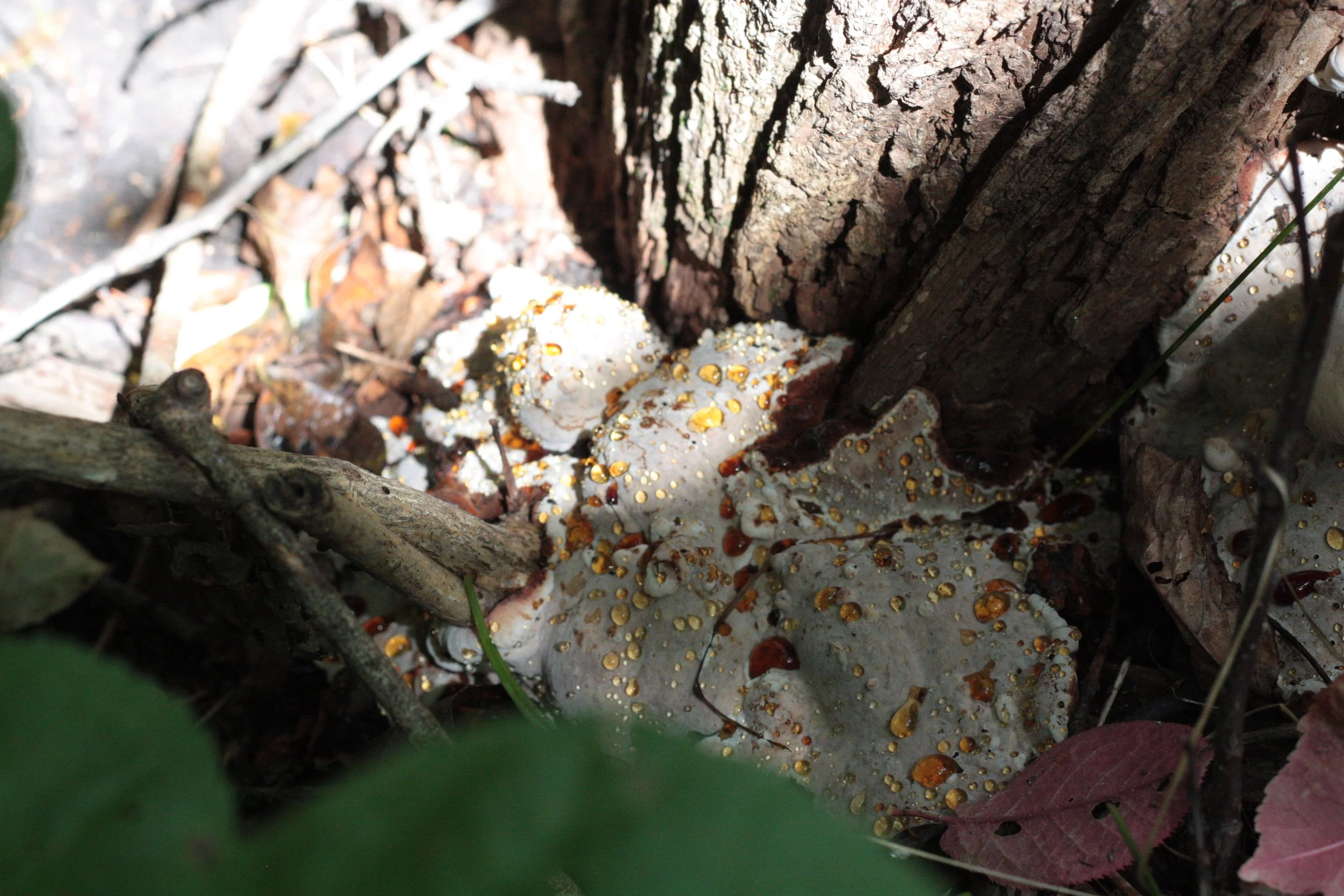
This week, I was back to dog-walking duty since the school year began. The kids showed me the mushrooms they found on walks with Christian…
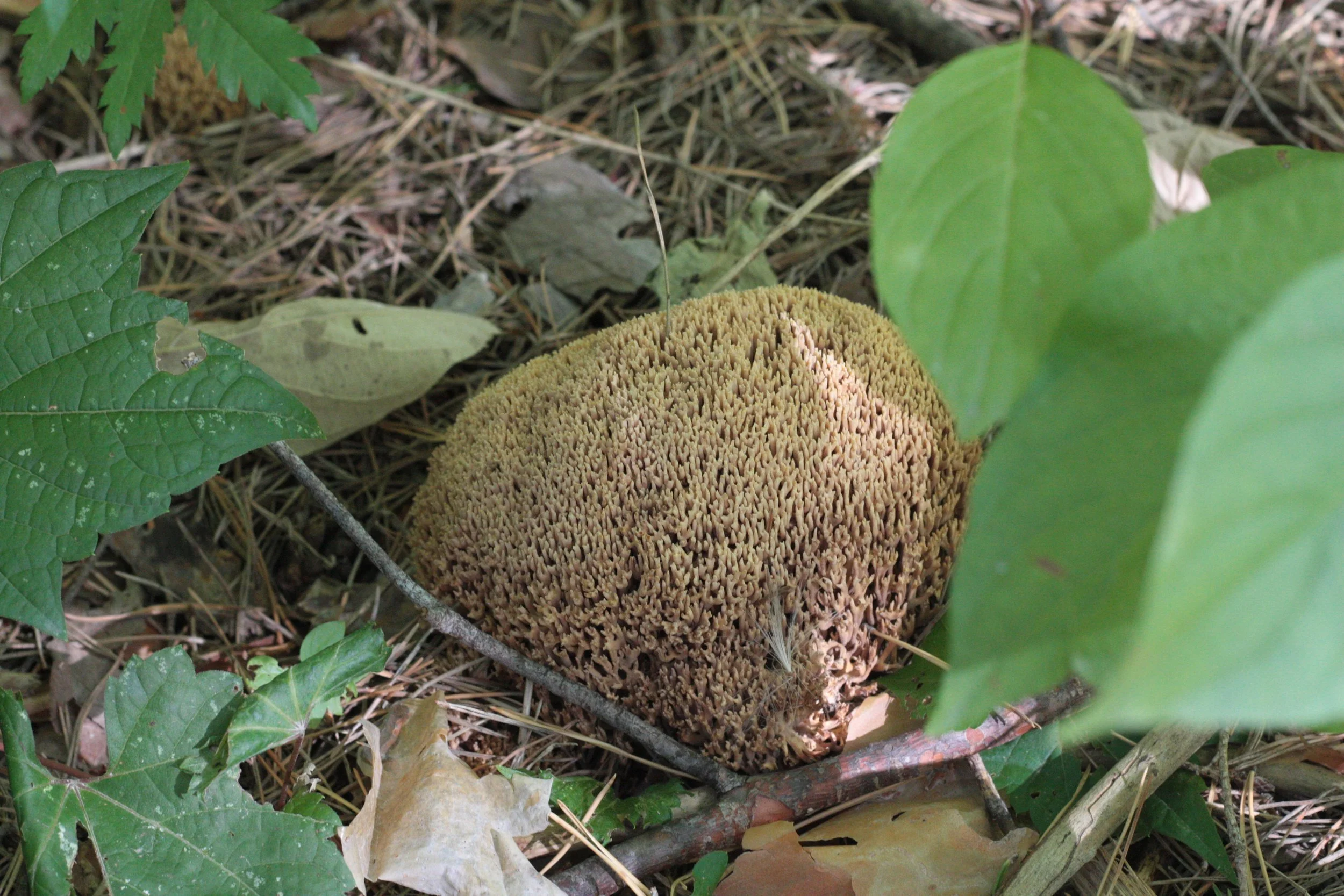

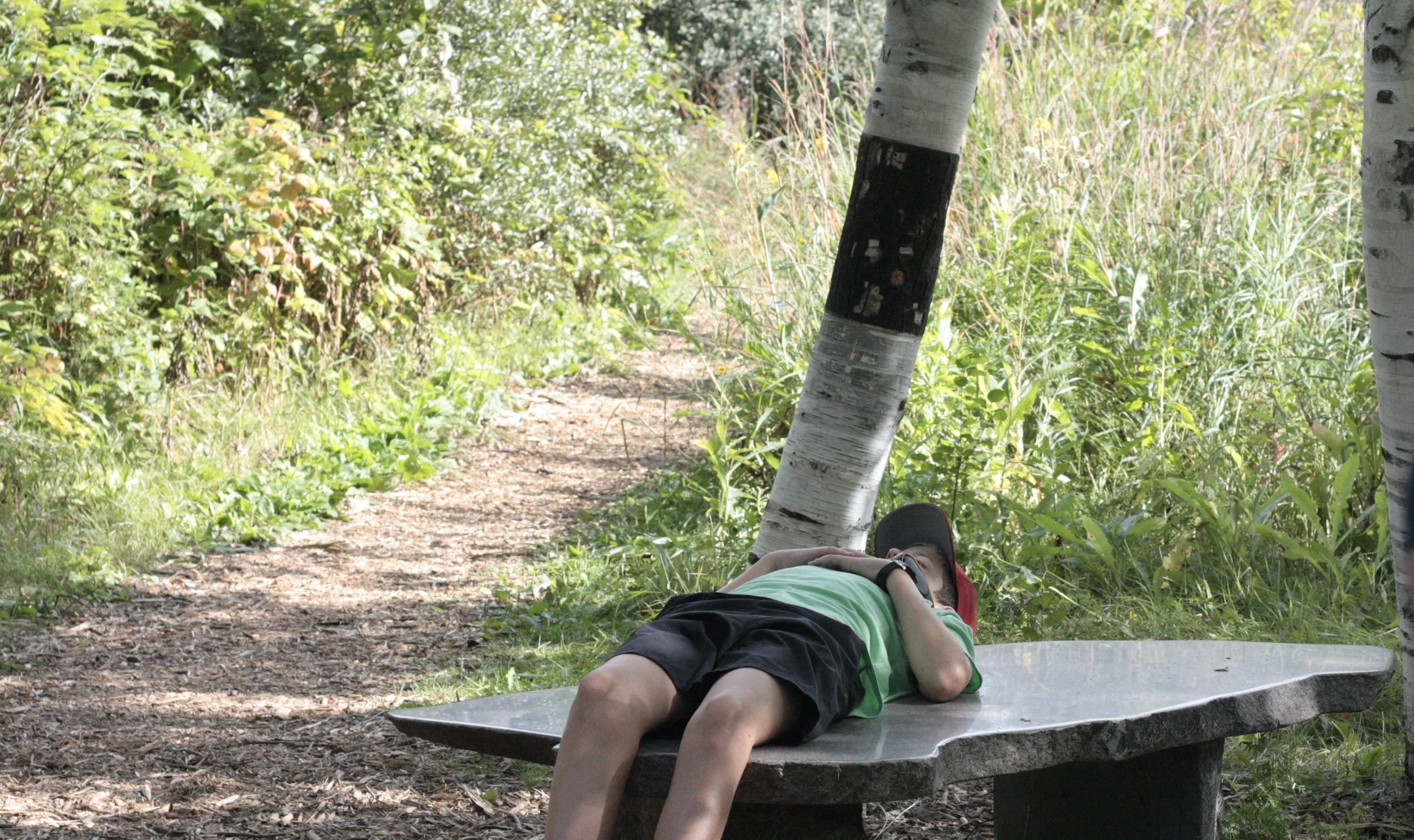
Catching those amber beads took a minute or two… time enough for a brief nap…
They found a monarch butterfly chrysalis too.

By myself, I try to capture the seasonal change…
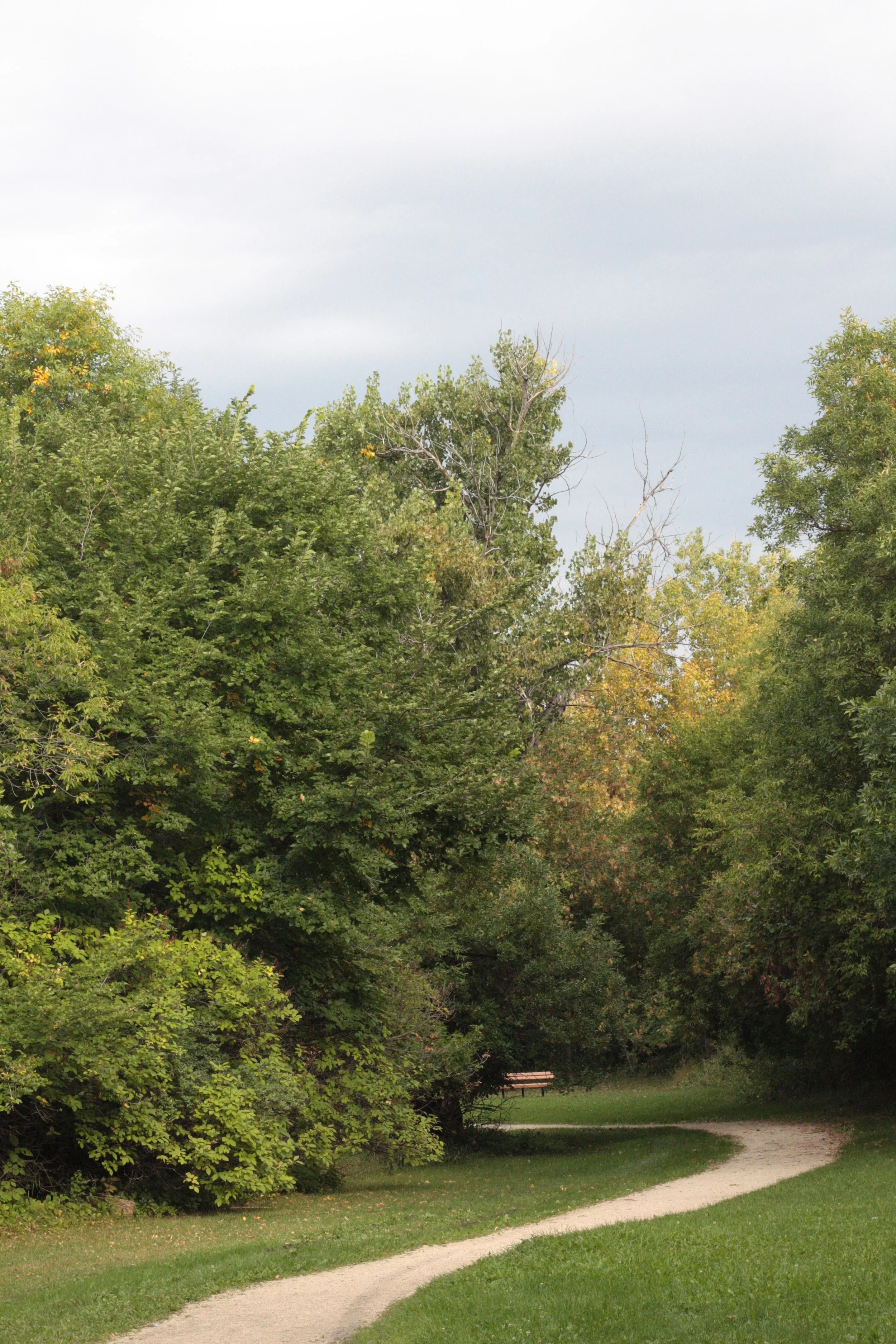
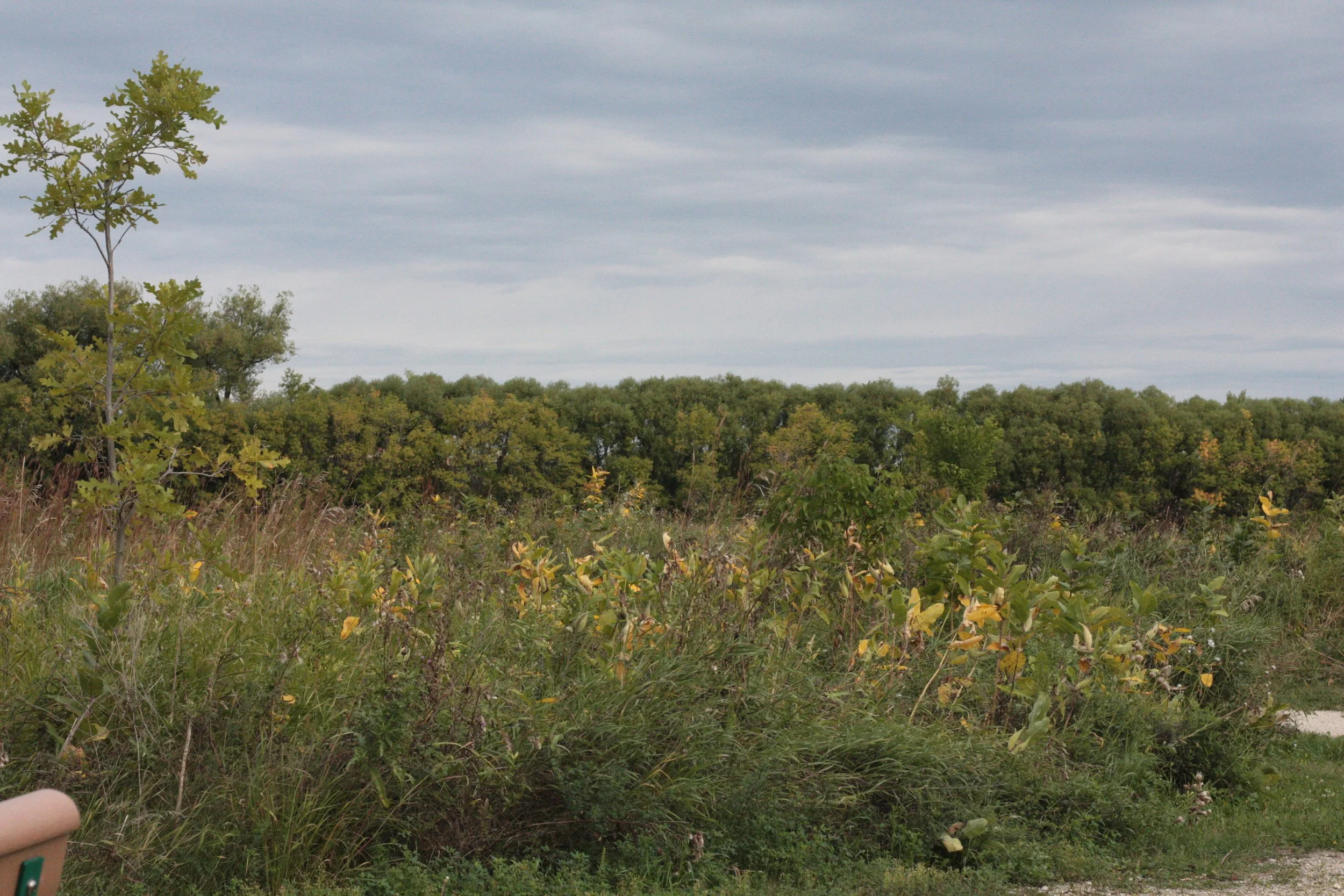
Happy Sunday!

How to Cook a Wolf quotes

It’s never happened to me before that a book about food makes me laugh out loud, but it happened to me, more than once, reading MFK Fisher’s How to Cook a Wolf. I found this book on the Guardian’s list of "100 Best Nonfiction Books of All Time" and borrowed it from the library on account of its title. As an extra layer of entertainment, the author has gone back on the version originally published in 1944 and made comments in parenthesis and brackets about what she wrote, agreeing sometimes, or disagreeing other times. Here is a collection of quotes about;

Obvious things:
And any kitchen-idiot would know enough to core the apples. (p 21)

Soup:
The natural progression from boiling water to boiling water with something in it can hardly be avoided, and in most cases is heartily to be wished for. As a steady diet, plain water is inclined to make thin fare, and even saints, of which there are an unexpected number these days, will gladly agree that a few herbs and perhaps a carrot or two and maybe a bit of meager bone on feast-days can mightily improve the somewhat monotonous flavour of the hot liquid.
Soup, in other words, is good. (p 28)

Strange soup customs:
A great deal of misinformation has been quoted for several centuries about the delicious soup that sits for years at the back of every good French stove. It is supposed to be like old-fashioned yeast, always renewing itself and yet always stemming from the original “starter”, so that a chicken bone thrown in last Easter may long since have disappeared but will still lend its aromatic aura to the present brew.
I do not like this fiction, and prefer not to believe it. I think soup-pots should be made fresh now and then, like people’s minds at the New Year. They should be emptied and scrubbed and started over again, with clean water, a few peppercorns, whatever little scraps are left from yesterday, and then today’s bones and lettuce leaves and cold toast and such. Set at the back of the stove and left to summer, with an occasional stir from the cook, they can make a fine clear stock for sauces as well as a heartening broth. (p 30)

The best soup:
Probably the most satisfying soup in the world for people who are hungry, as well as for those who are tired or worried or cross or in debt or in a moderate amount of pain or in love or in robust health or in any kind of business huggermuggery, is minestrone. (p 38)

The proliferation of mediocre cookbooks:
Its inevitable progress from a pot with a watery bone in it to potage à la Reine and Crème Vichyssoise is for anyone to read in forty thousand cookbooks, most of them bad. [By now there must be fifty thousand, most of them still bad, or at least dull. It is safe to wager that in the past eight years not more than eight really important cookbooks have been published in America… and that, of those, not more than one is essential. (At first I wrote: “Not one.”)] (p 29)

About consulting other cookbooks:
I can make amazingly bad fried eggs, and in spite of what people tell me about this method and that, I continue to make amazingly bad fried eggs: tough, with edges like some kind of dirty starched lace, and a taste part sulphur and part singed newspaper. The best way to find a trustworthy method, I think, is to ask almost anyone but me. Or look in a cookbook. Or experiment. (p 57)

I suggest that anyone who acknowledges the value of good cookery in a life deliberately full of love, happiness and health (that is, anyone who cares about human dignity!) read several other books and from them and this one and most of all from himself produce his own decision. (p 124)

Animal parts:
One way to horrify at least eight out of ten Anglo-Saxons is to suggest their eating anything but the actual red fibrous meat of a beast. A heart or a kidney or even a sweetbread is anathema. It is too bad, since there are so many nutritious and entertaining ways to prepare the various livers and lights. They can become gastronomic pleasures instead of dogged voodoo, so that when you eat a stuffed baked bull’s heart, or a grilled lamb’s brain or a “mountain oyster,” you  need not choke them down with the nauseated resolve to be braver or wiser or more potent, but with plain delight. [I believe this more firmly than ever, but am years wearier in my fight: Now, when I want to eat what English butchers call “offal,” I wait until everyone has gone to the Mid-South Peoria Muezzins’ Jamboree and Ham-bake, and then make myself a dainty dish.] (p 101)

Why is it worse, in the end, to see an animal’s head cooked and prepared for out pleasure than a thigh or a tail or a rib? If we are going to live on other inhabitants of this world we must not bind ourselves with illogical prejudices, but savor to the fullest the beasts we have killed.
People who feel that a lamb’s cheek is gross and vulgar when a chop is not are like the medieval philosophers who argued about such hairsplitting problems as how many angels could dance on the point of a pin. If you have these prejudices, ask yourself if they are not built on what you may have been taught when you were young and unthinking, and then if you can, teach yourself to enjoy some of the parts of an animal that are not commonly prepared. (p 103)

Appreciating meat:
But for all of us, no matter what our tastes, life would be simpler and the wolf would howl less loudly if we could adjust our minds to admit, even if we never quite believed it, that a tender sizzling rare grilled tenderloin was a luxury instead of a necessity. (p 110)

Food memories:
War cake can be made in muffin-tins, and baked more quickly, but in a loaf it stays fresh longer. It is very good with a glass of milk, I remember. (I am sure that I could live happily forever without tasting it again. There are many things like that: you recall with astonishment and a kind of admiration some of the things eaten with sensual delight at eight or eighteen, that would be a gastronomical auto da fé for you at twenty-eight, or fifty. But that does not mean that you were wrong so long ago. War Cake says nothing to me now, but I know that it is an honest cake, and one loved by hungry children. And I’m not ashamed of having loved it… merely a little puzzled, and thankful that I am no longer eight.) (p 155)

Unpleasant kitchen smells:
Indeed, it can be said that fumes linger, period. They lurk in cupboards. They drift subtly through closed doors, not matter what cunning draft you may enforce, at risk of double pneumonia, through the kitchenette. They hang in the curtains, and fall out at you two nights later like overripe shreds of dead ghost.
There is not much to do about it; you either like fried onion or hot cabbage salad enough to endure them, or you eat lettuce or green peas instead. (p 172)