History
This week I finished reading Gordon S. Wood’s collection of essays titled The Purpose of the Past: Reflections on the Uses of History. Containing 21 reviews of books on the subject of American history, Wood makes observations about the way an author treats a historical subject, and it’s the observations that I appreciate. For example:
Since we can never completely escape, even imaginatively, from our present, some degree of anachronism is inevitable in all history writing. But any good historian needs constantly to worry about the problem of injecting his or her contemporary consciousness back into the past. (p 39)
History is not a science; it is an art. History needs writers, or artists, who can communicate the past to readers […]. (p 63)
It's the differences, the discrepancies through time, however slight, however marginal, that intrigue and interest them, for cumulatively they tell us how that different, distant past world evolved into our own. (p 82)
It is the historian's responsibility to analyze and evaluate all these different views and narrations and then arrive at as full and as objective an explanation and narration of the events as possible. (p 106)
History writing is creative, and it surely requires imagination, but it is an imagination of a particular sort, sensitive to the differentness of the past and constrained and constricted by the documentary record. (p 107)
[…] historians seek to study past events not to make transhistorical generalizations about human behavior but to understand those events as they actually were, in all their peculiar contexts and circumstances. (p 271)
In my opinion, not everyone who writes about the past is a historian. (p 276)
It is a truism that history writing tends to reflect the times in which it is written. All history is "contemporary history," wrote the Italian historian Benedetto Croce, by which he meant that history is seen mainly through the eyes of the present and in relation to its problems. (p 293)
(I’ve previously quoted Gordon S. Wood from the same book, but on the subject of ideas here.)
And other things
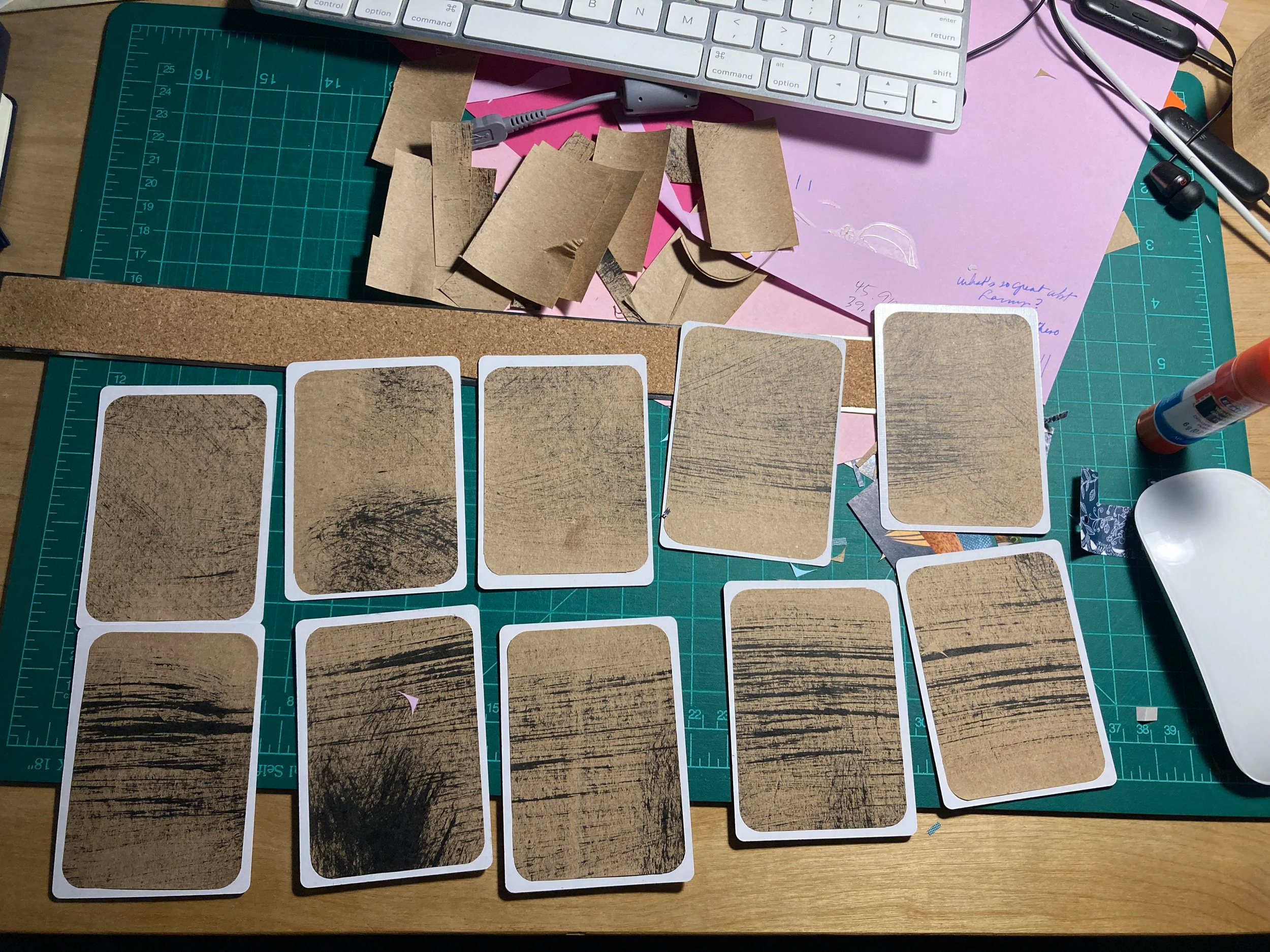
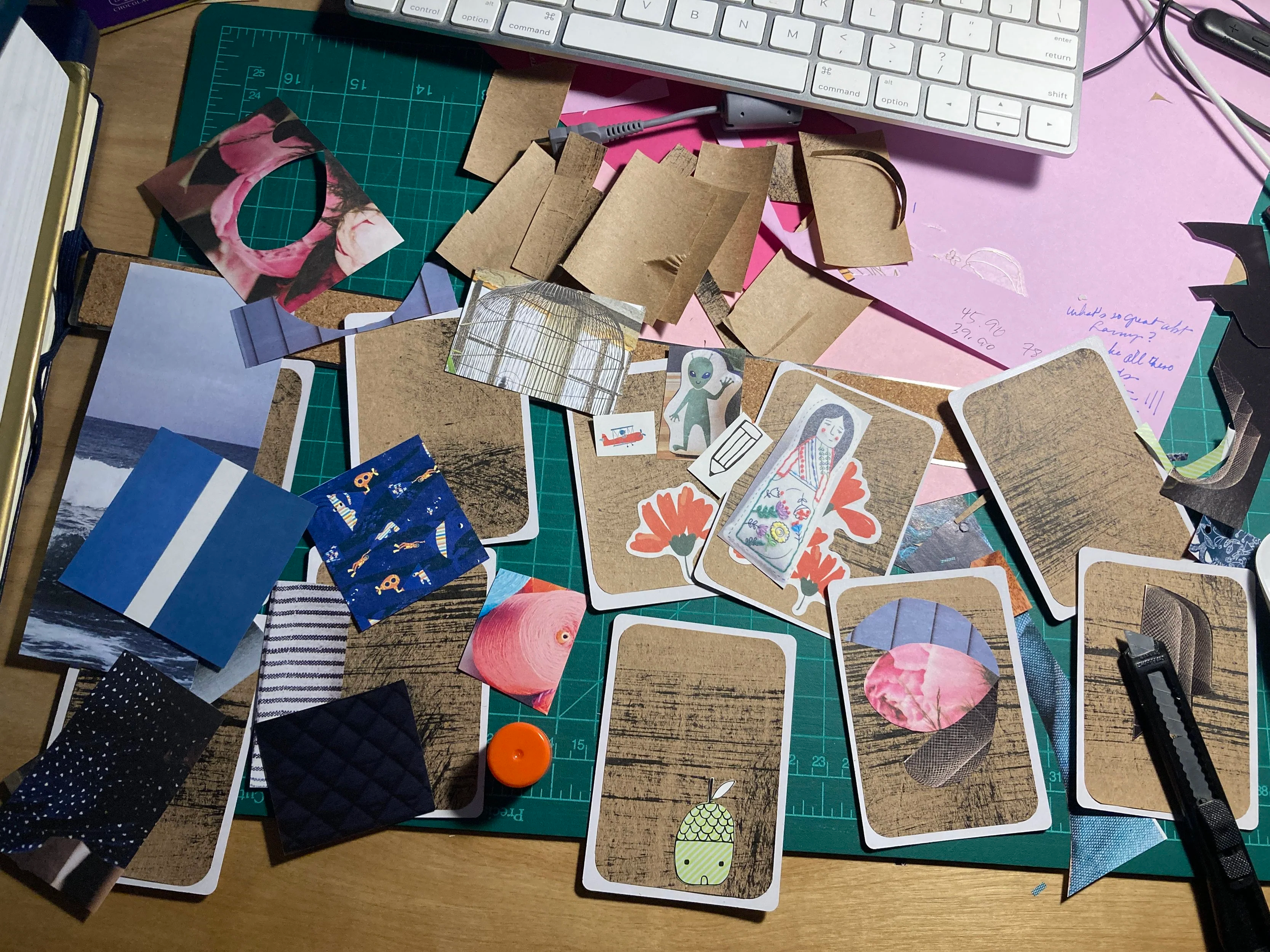
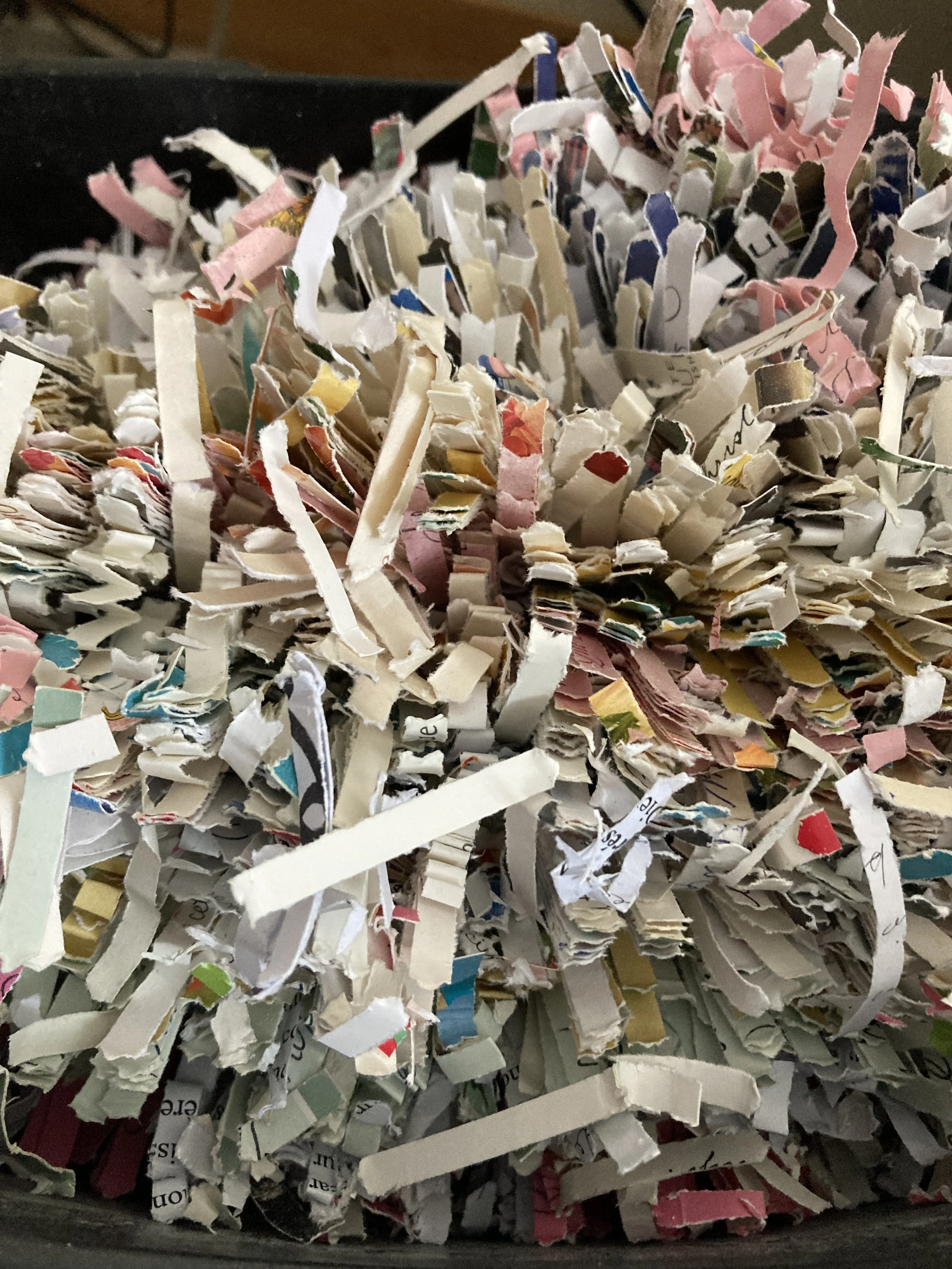
All that being said about history, I was busy away from the computer most hours this week… Having received my diploma by mail, the symbol is one among a few others marking a season of transition and I’ve been sorting through piles and clearing out neglected spaces. At one point, as I was about to empty the shredder, I was struck by the prettiness of what had accumulated inside.
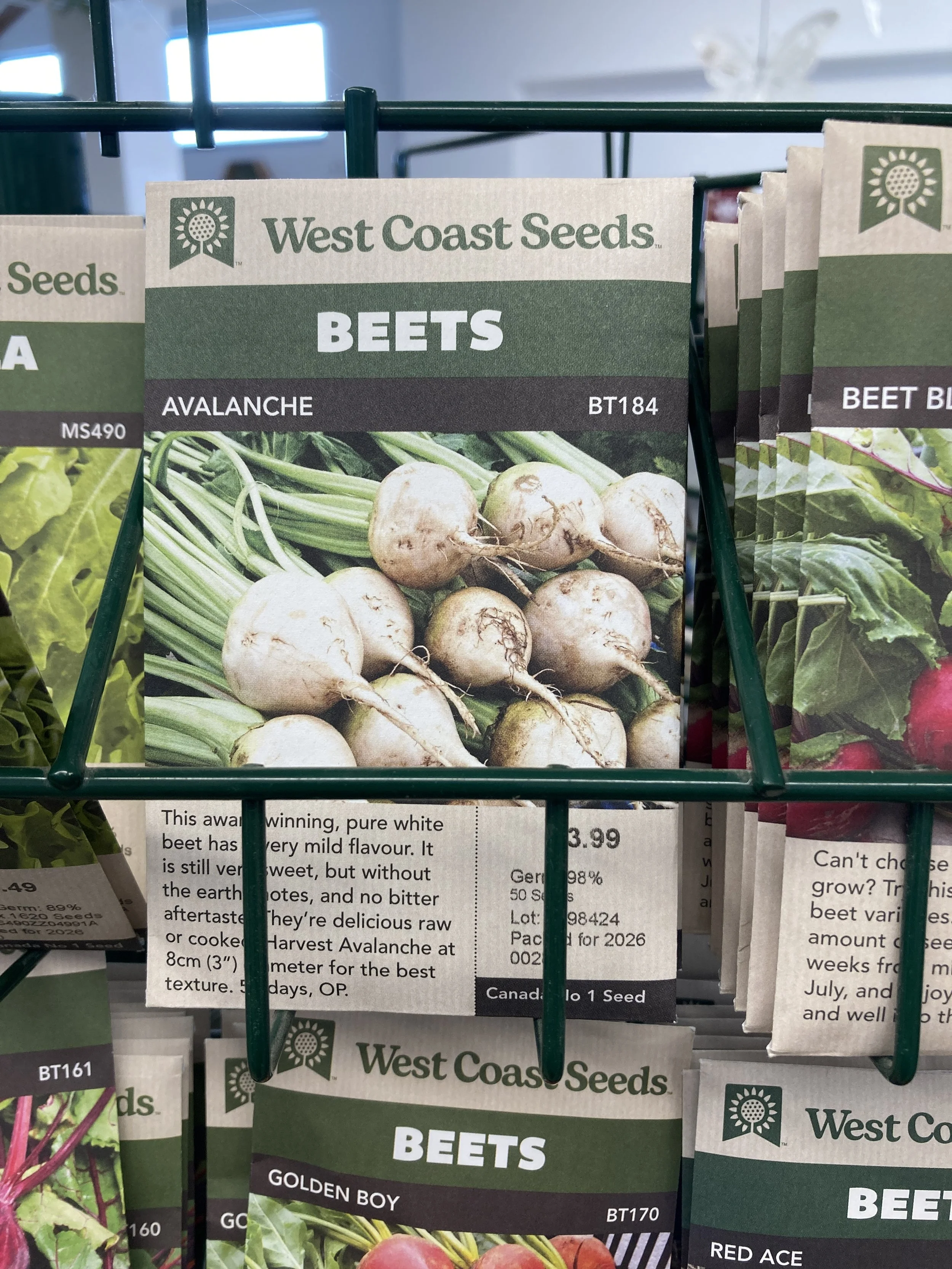
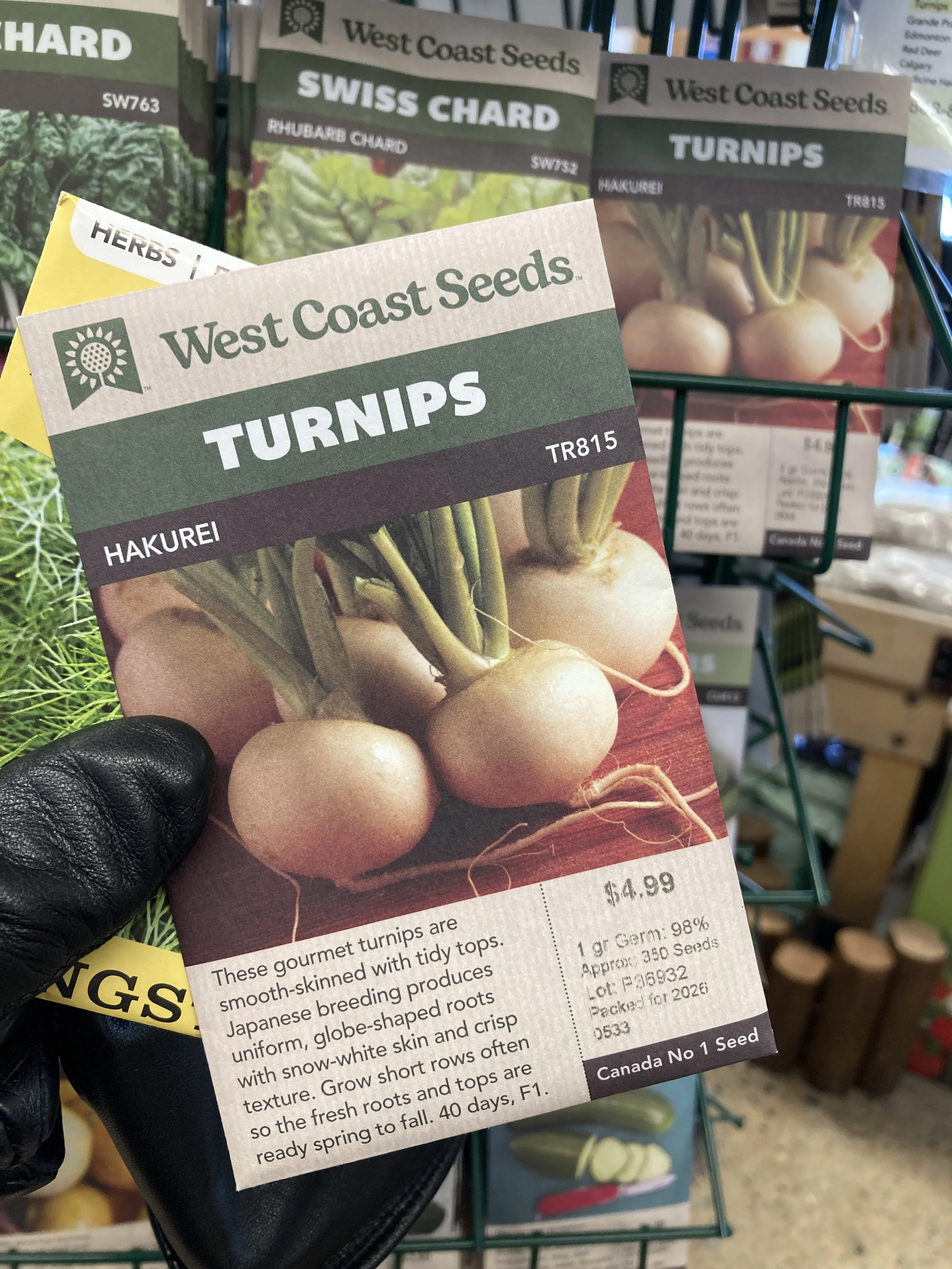
A friend told me that there is such a thing as white beets, and that she plants them in her garden. I went to see for myself… Being unable to make that leap (beet colour feels fundamental to beets…), I instead chose Hakurei turnips, delighted that the Lacoste greenhouse carries them. Amy Thielen writes about them in her cookbook Company describing them: “as round as golf balls, these […] turnips […] are juicy, almost fruity-tasting.” I really look forward to trying them!
Eating
Isn’t this fresh-year-round Swiss chard pretty?
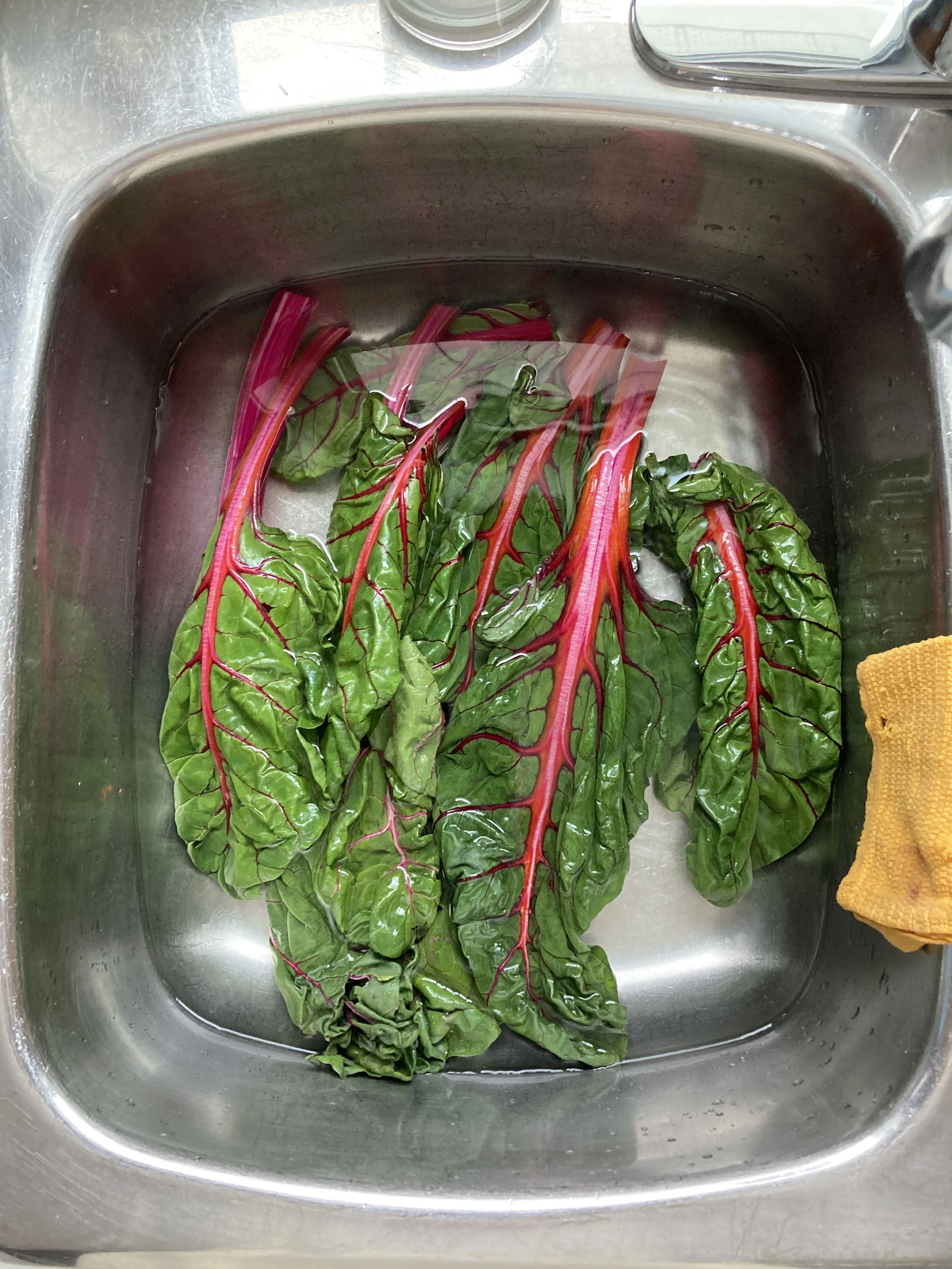
This time last year, I made the same Pancetta, White Bean and Swiss Chard Pot Pies.
The novelty this week was serving breaded broccoli, based on a recipe from Mark Bittman’s How to Cook Everything. His is fried, not baked. Served alongside General Tso’s Tofu and a pile of lightly flavoured rice, it was a hearty vegetarian meal.
Considerably less effort was Friday night’s Tomato Sauce with Butter and rigatoni with a salty kale salad as a complement.
Baking
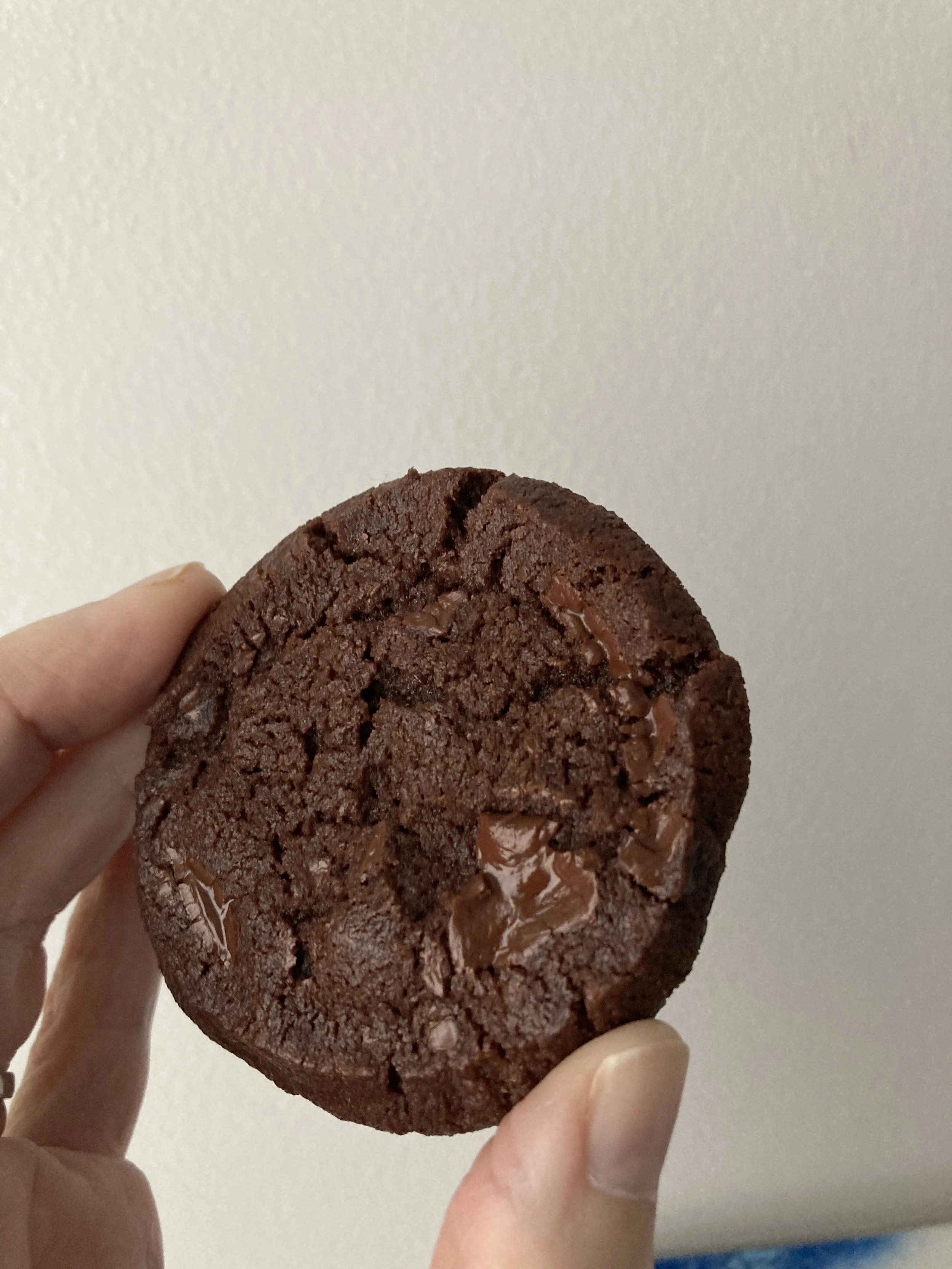
I recently made Dorie Greenspan’s World Peace Cookies which turned out like so:
I also made Sarah Fennel’s Cinnamon Roll Cookies (sans cream cheese) and they were so well appreciated, so soon disappeared, that I didn’t have a chance to take a picture as proof. The recipe can be found here.
Enjoying
I like how Orla Stevens, a painter in Scotland, generously shares her reflections on her eponymous Youtube channel. In a recent video, one of her tips (at about the 19 minute mark) is “to not limit yourself. If you’re someone who also thrives off of variety, then allow different side quests to happen while you’re working on a series.” She, for example, likes to sew, and she made her own outfit for an exhibition of her series of paintings. “Giving myself permission to do that made me way more excited to come back to painting. So I think it can be a really good thing to have that variety in our lives.” I can apply this advice to research and writing (like her series of paintings) in contrast with the cooking, baking, and side hobbies (akin to her sewing), and make peace with the fact that indeed, I do like variety.
A quote! As I was clearing out stacks of old notes, I found this on a post-it: “The force of character is cumulative. All the foregone [i.e. past] days of virtue work their health into this.” - Ralph Waldo Emerson. It is from the tenth paragraph in an essay of his titled “Self-Reliance.” I tired of reading the essay, but Claude gave me a good summary.
On a recent podcast episode of How To Be A Better Human, guest Courtney Martin said this thing I liked: “Because if we only show how bad that leadership is or how corrupt, and we don’t say, ‘look at this other leader who’s doing it this way,’ or ‘look at this other organization’ or ‘look at the state that has figured our this thing,’ then that’s actually holding power accountable because you show that it is possible.” I also really liked this essay of hers from her newsletter “The Examined Life,” titled “It takes a village to love an elder.”
I really like the style of Carol Nazatto’s collages… here and here. They feel so considered and imaginative.
Postcard
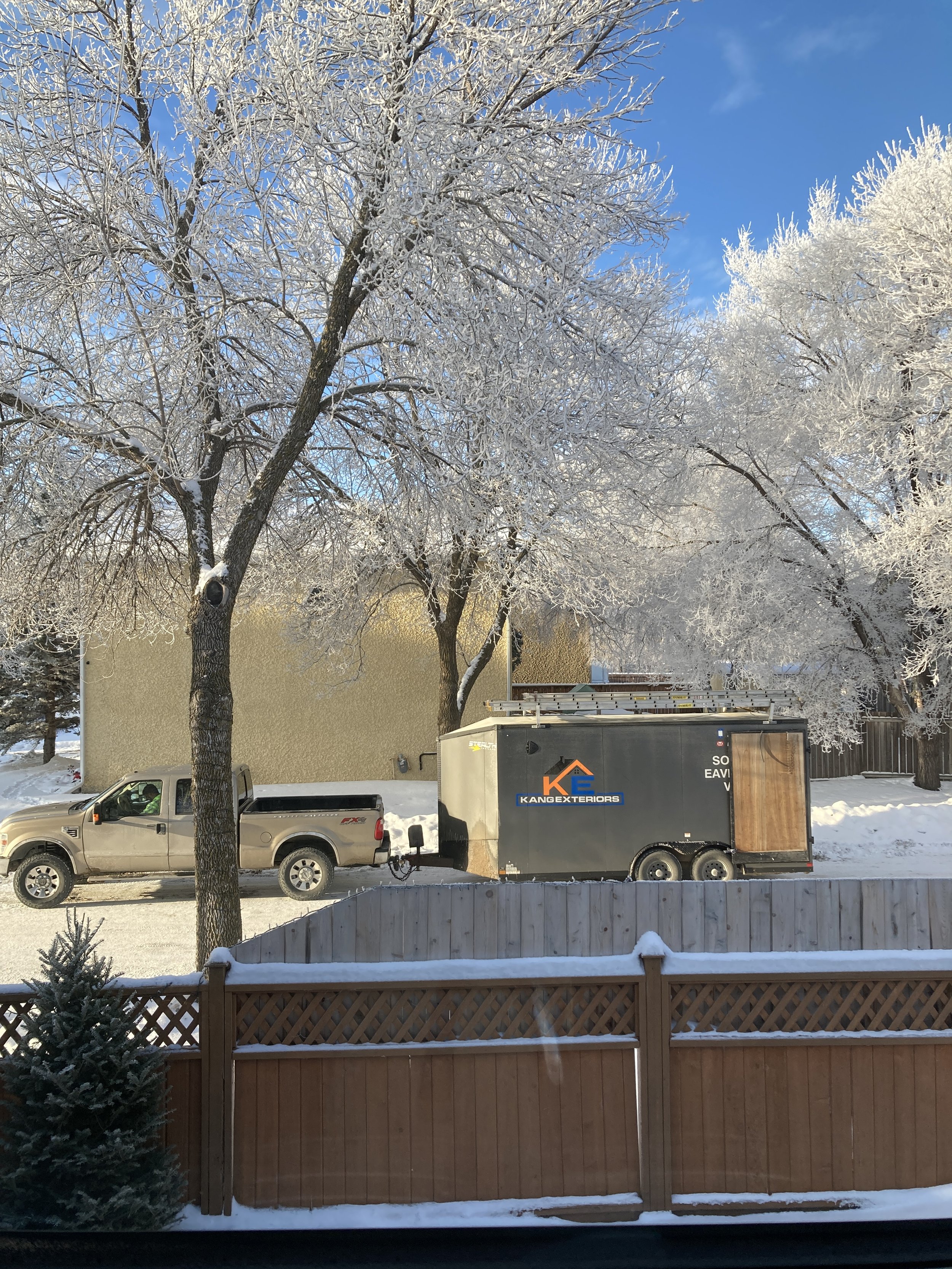
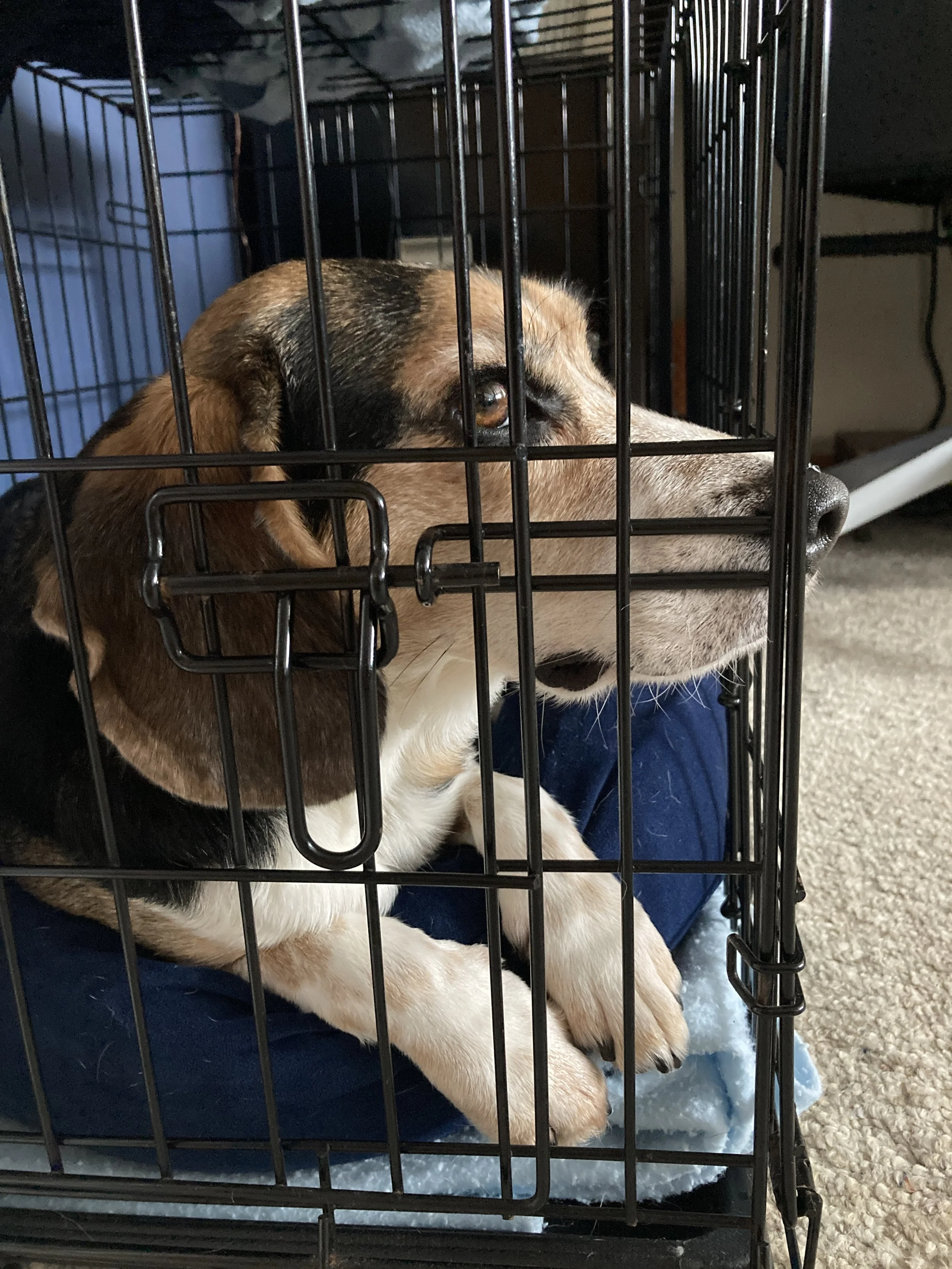
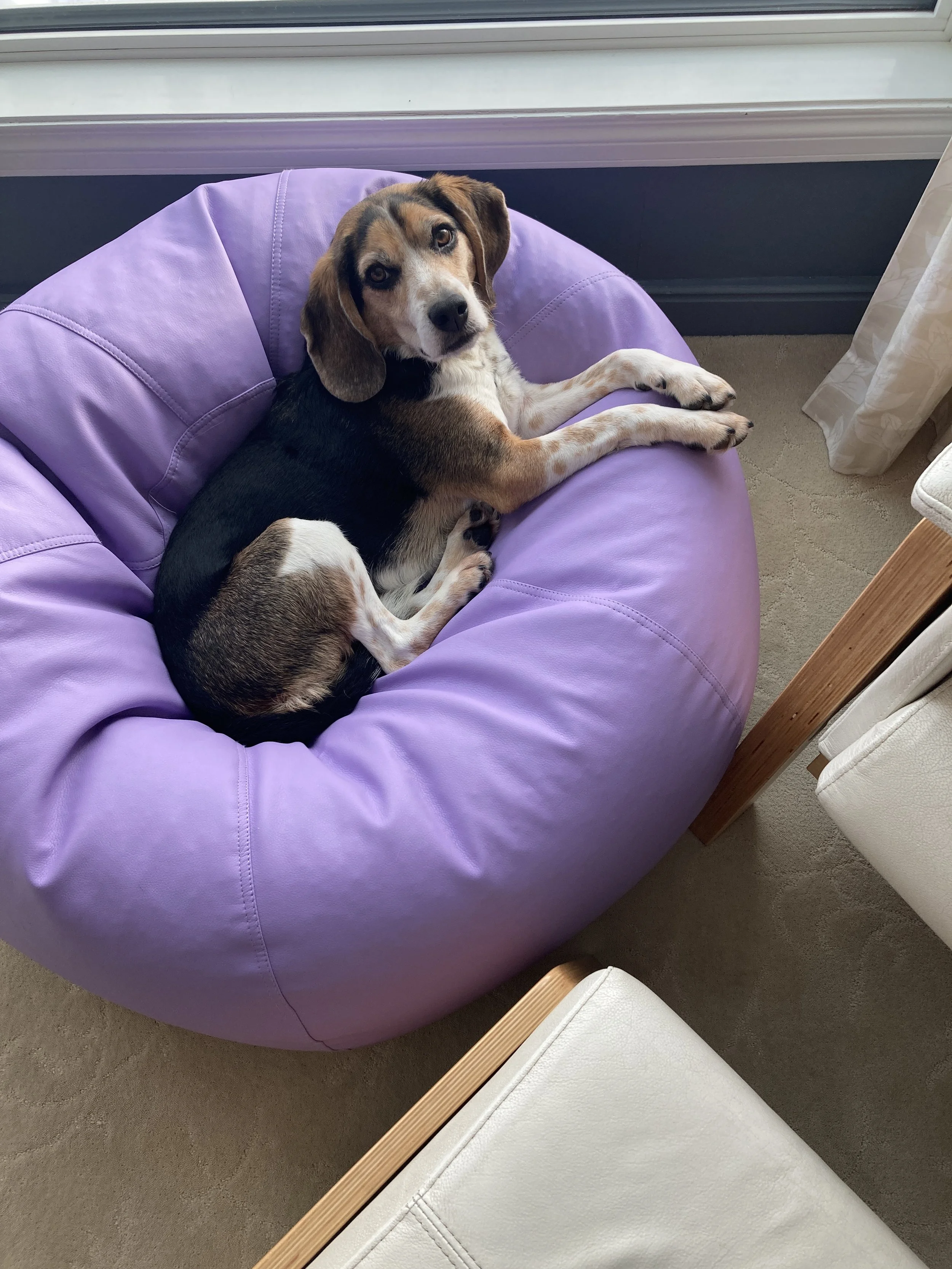
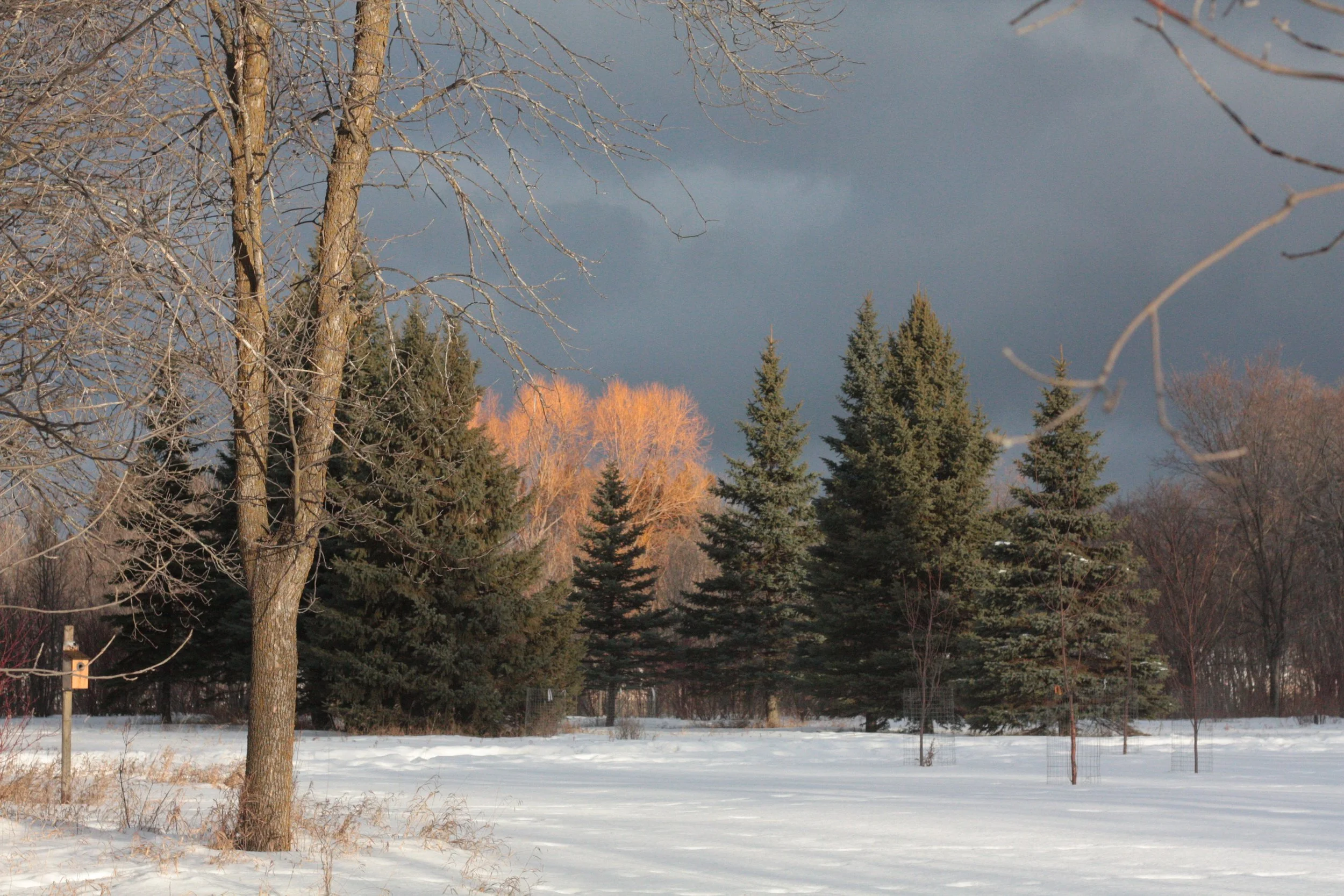
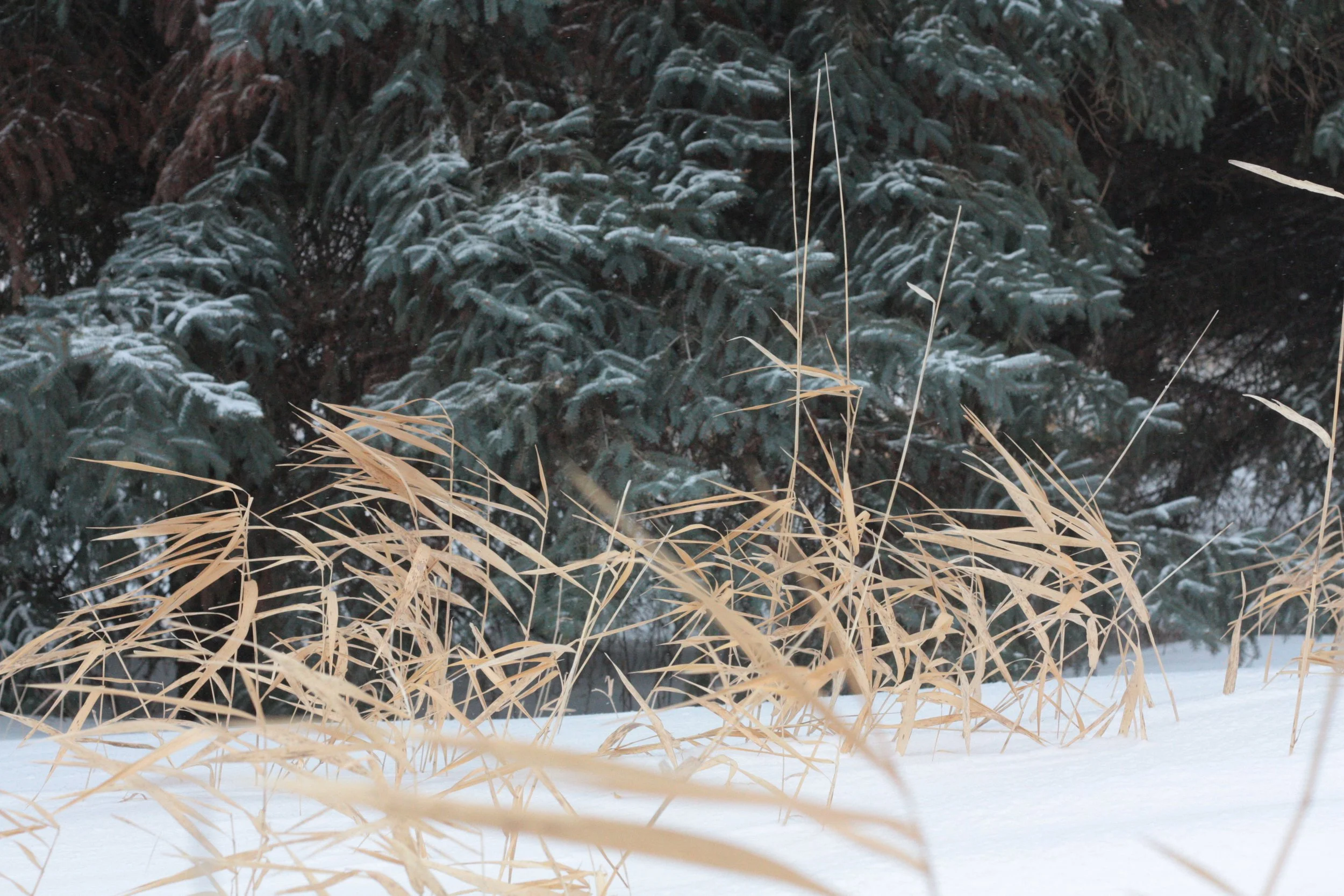
Twice this week, Enzo and I spotted a coyote not far from us, but Enzo howls so much, it would be impossible to take a picture. Instead… a little colour contrast… Nature is endlessly inspiring!
Happy Sunday!