A week on Sunday, no. 44

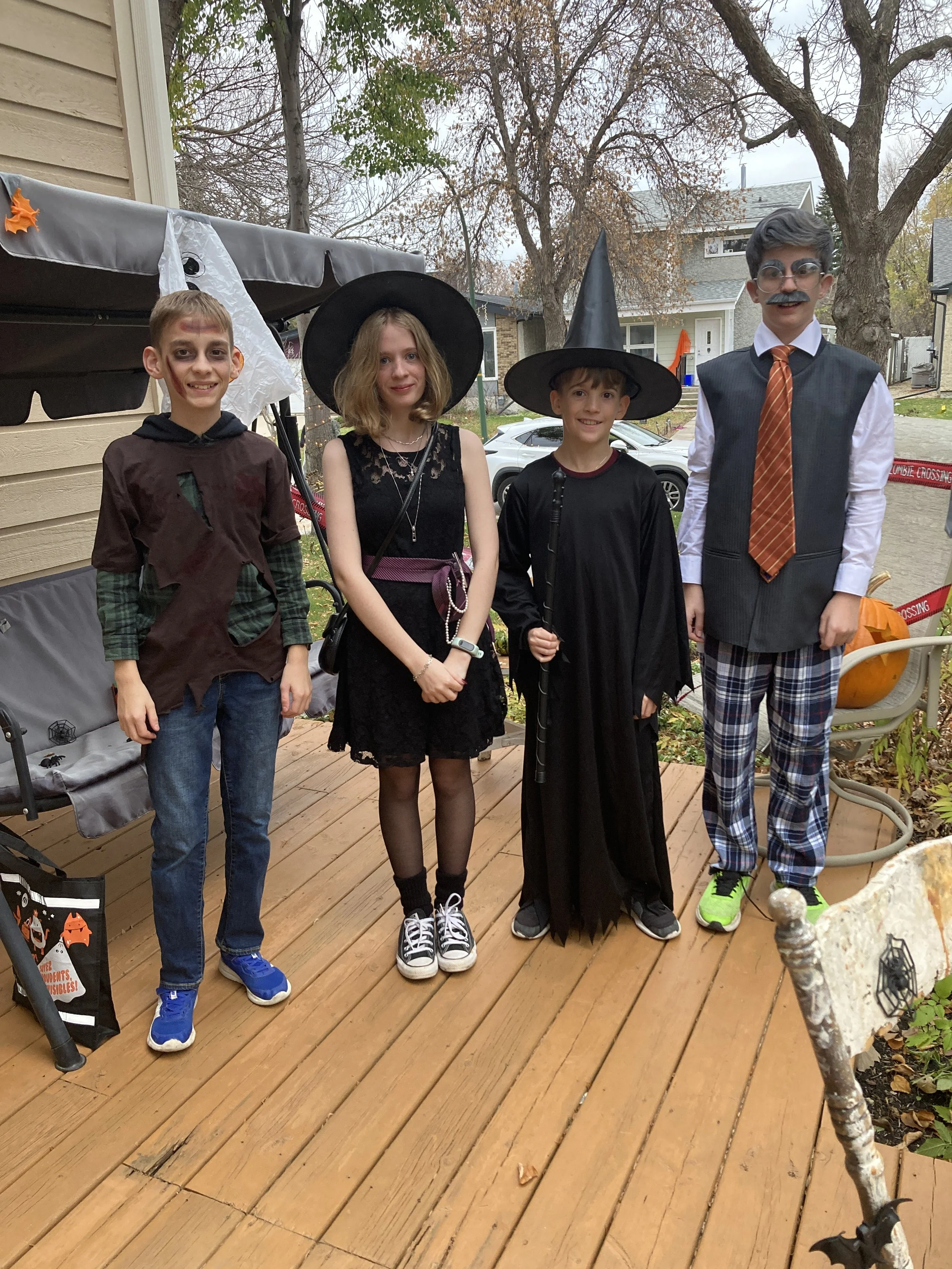
Welcome to another edition of things I found interesting this week. But first, Halloween! Our kids dressed up as a witch, a sorcerer and an old man and then dispersed near and far with friends to collect candy. Here they are, pictured with a friend dressed as a zombie. 
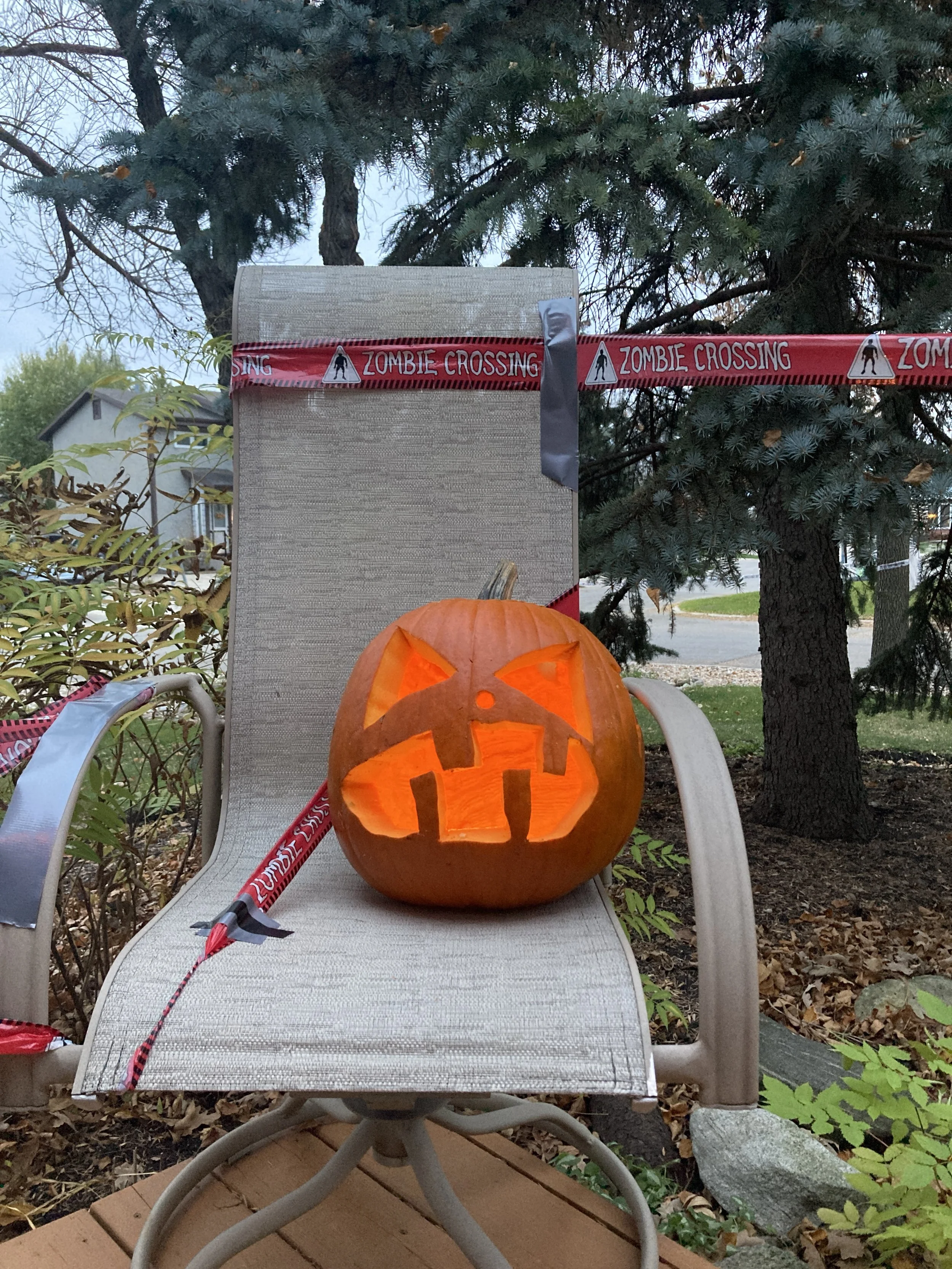
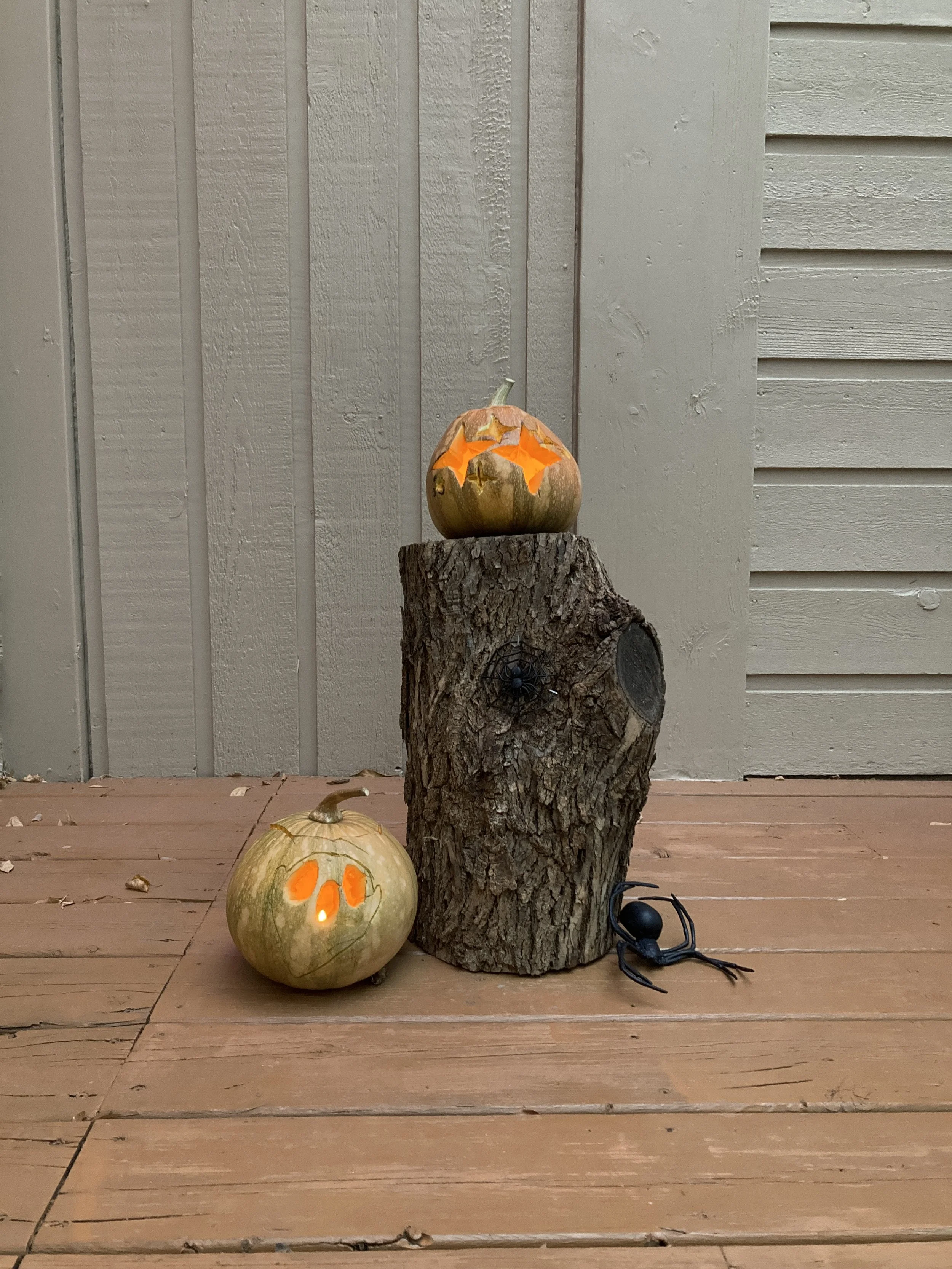
Our collection of carved pumpkins…
From Robert Caro

I watched Dwarkesh Patel’s interview with Robert Caro (here on Youtube). Caro’s generosity is admirable. And Dwarkesh is a considerate host. Present too is a chasm of years that can barely be bridged in an hour despite the supports of hours of research on the host’s part, English language in common, and good intention on the guest’s. Caro has answered interviewers’ questions many times, and interviewers have subjects of interest in common. Getting past those smooth-as-pebble answers is anyone’s challenge. A bit melancholy to see the interview end on the subject of loneliness?

To Knausgard

This BBC feature on Karl Ove Knausgard (here) was nice to watch. It reminded me of having enjoyed reading the first two volumes of My Struggle in 2018. Take this quotation for example…

When you visualized the future and conjured up a world in which urban life had spread everywhere and man had achieved his long-desired symbiosis with the machine, you never took account of the simplest elements, beer for example, so golden and flavoursome and robust, made from grain in the field and hops in the meadow, or bread, or beetroot with its sweet but dark earthy taste, all this which we had always eaten and drunk at tables made of wood, inside windows through which beams of sunlight fell. What did people do in those seventeenth-century palaces, with the liveried servants, high-heeled shoes and powdered wigs pulled down over skulls full of seventeenth-century thoughts, what else if not drink beer and wine, eat bread and meat and piss and shit? The same applied to the eighteenth, nineteenth and twentieth centuries. Conceptions of humanity changed constantly, conceptions of the world and nature too, all manner of strange ideas and beliefs emerged and vanished, useful and useless objects were discovered, science penetrated ever deeper into the world’s mysteries, machines grew in number, speeds increased and ever greater areas of old lifestyles were abandoned, but no one dreamed of discarding beer or changing it. Malt, hops, water. Field, meadow, stream. And basically that was how it was with everything. We were rooted in the archaic past, nothing radical about us, our bodies or needs had not changed since the first humans saw the light of day somewhere in Africa 40,000 years ago or however long Homo sapiens had existed. (p 521)

“Tiens!” As they say in French, to mean a kind of delight in discovery… In this paragraph, an appreciation of historical context (the “understanding” that biographers like Caro obsess over) and the deft display of commonalities (an aspect of the beauty of literature). 

On Conversations with Tyler (here) I like how, over time, the desperate need for solitude he once experienced (mentioned here), has given way to acceptance:

I think that’s the best advice I ever got — to accept everything that happens. So if you have many children, it’s a good thing. If you don’t have children, it’s a good thing. You have to embrace it because that’s your life. That’s where you are, and writing should be connected to that — or painting or whatever it is. 

Reading

This week I finished The Rings of Saturn, by W. G. Sebald. It felt exactly as a blurb describes it: “Stunning and strange - like a dream you want to last forever.” A quote:

If today, when our gaze is no longer able to penetrate the pale reflected glow over the city and its environs, we think back to the eighteenth century, it hardly seems possible that even then, before the Industrial Age, a great number of people, at least in some places, spent their lives with their wretched bodies strapped to looms made of wooden frames and rails, hung with weights, and reminiscent of instruments of torture or cages. It was a peculiar symbiosis which, perhaps because of its relatively primitive character, makes more apparent than any later form of factory work that we are able to maintain ourselves on this earth only be being harnessed to the machines we have invented. (p 282-3)

Cooking and baking

Our menu plan has cyclical favourites, year over year; like last year, we had “Five Spice Slow Cooker Pork with Noodles” and Deb Perelman’s “Vinegar Slaw with Cabbage and Dill” (here). We also tried Jeanine Donofrio’s “BBQ Tofu Bowls with Creamy Apple Ranch Slaw” here via The Dinner Plan. 

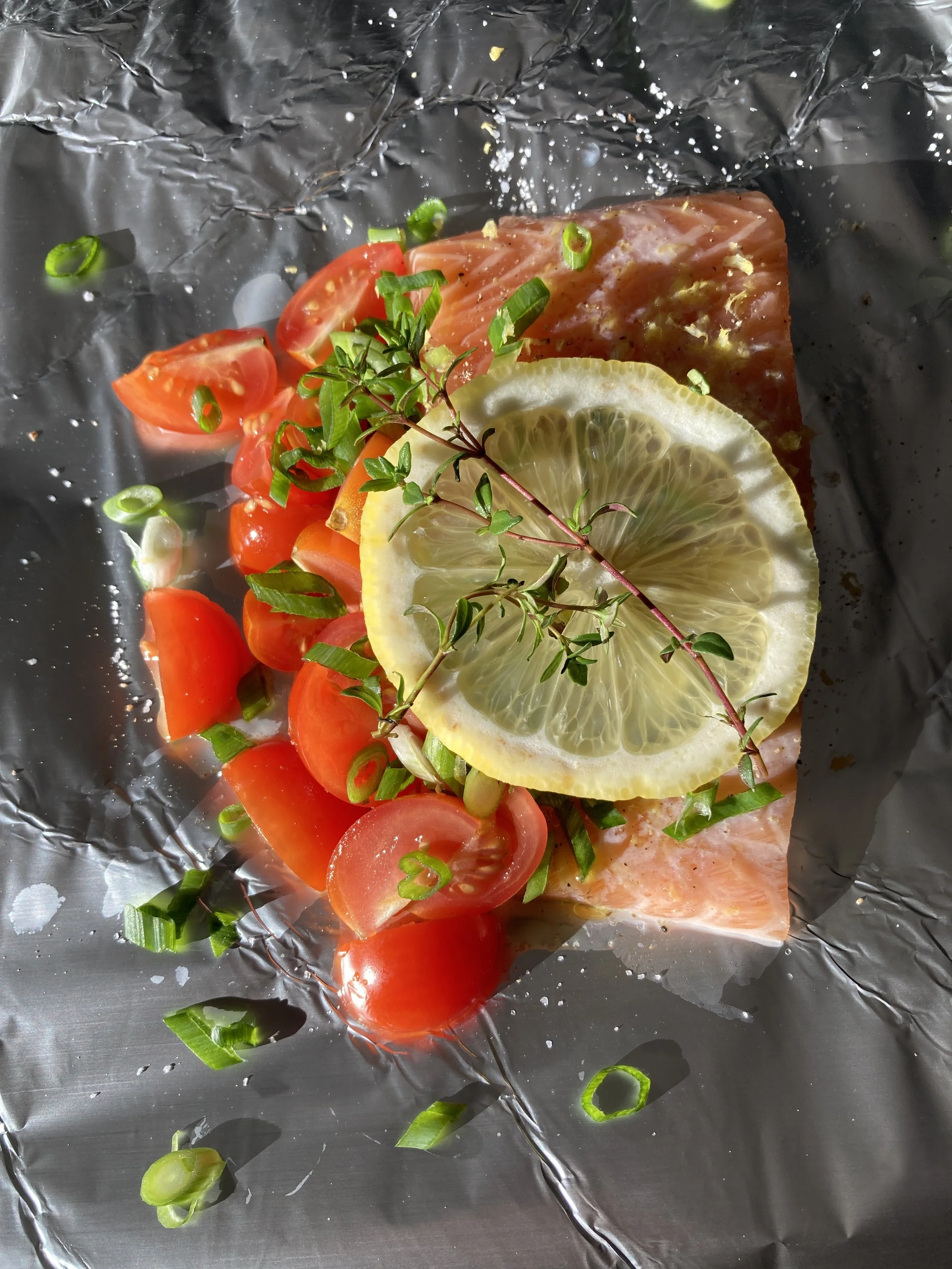
Last Sunday we had “Salmon and Tomatoes en papillote” from Dorie Greenspan. She has a recipe for 1 serving here. This, served with a simple fried rice, is a treat.
The sourdough “acquiring the skills” project continues, this week augmented by the acquisition of a Cambro. 
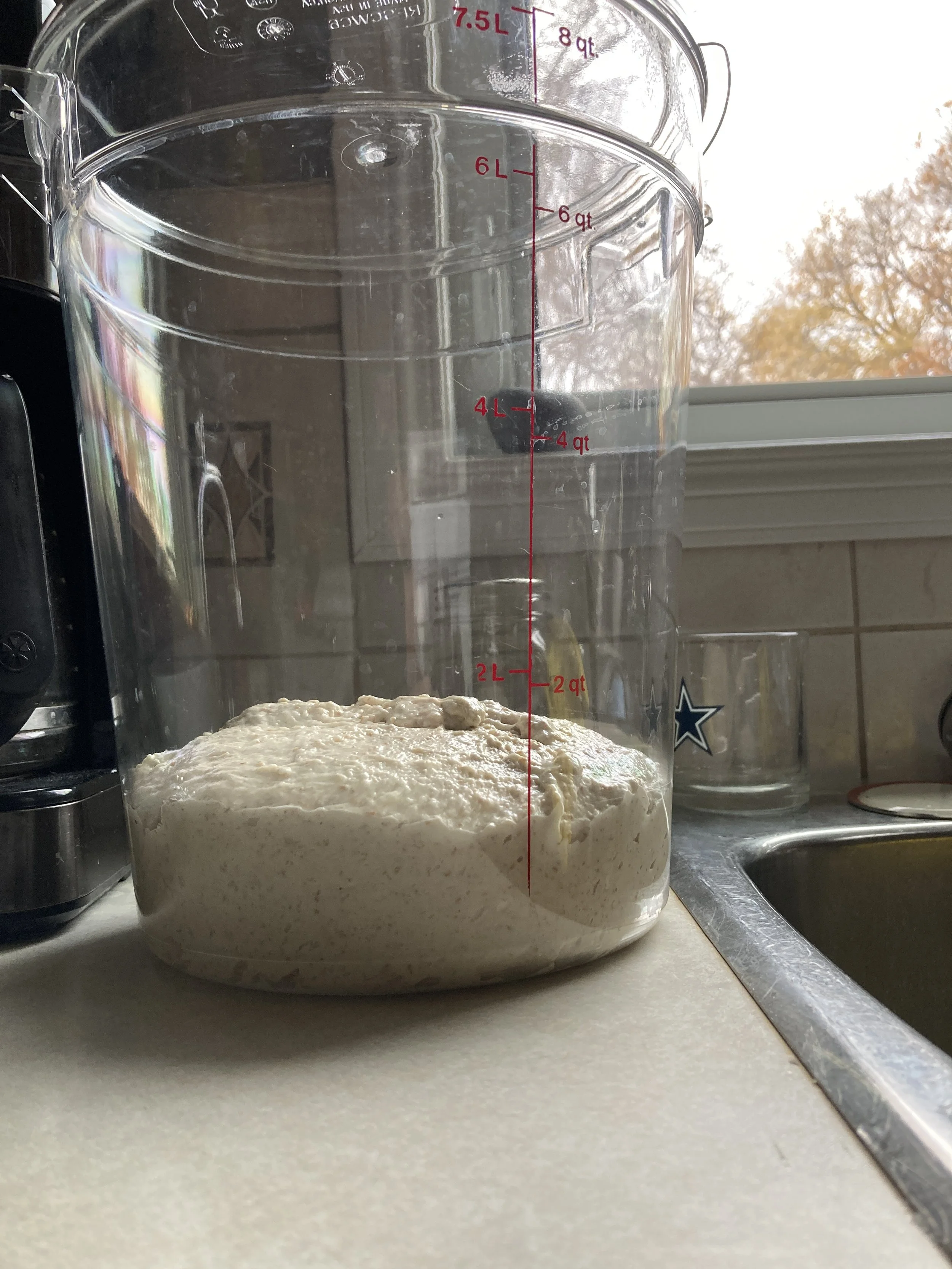
Finding this, and a bench scraper too, lead me to Winnipeg stores I hadn’t previously been in before… A Plus Restaurant Equipment and Supplies is downtown on McDermot and will be updating their website (here), making it possible to order items online.  

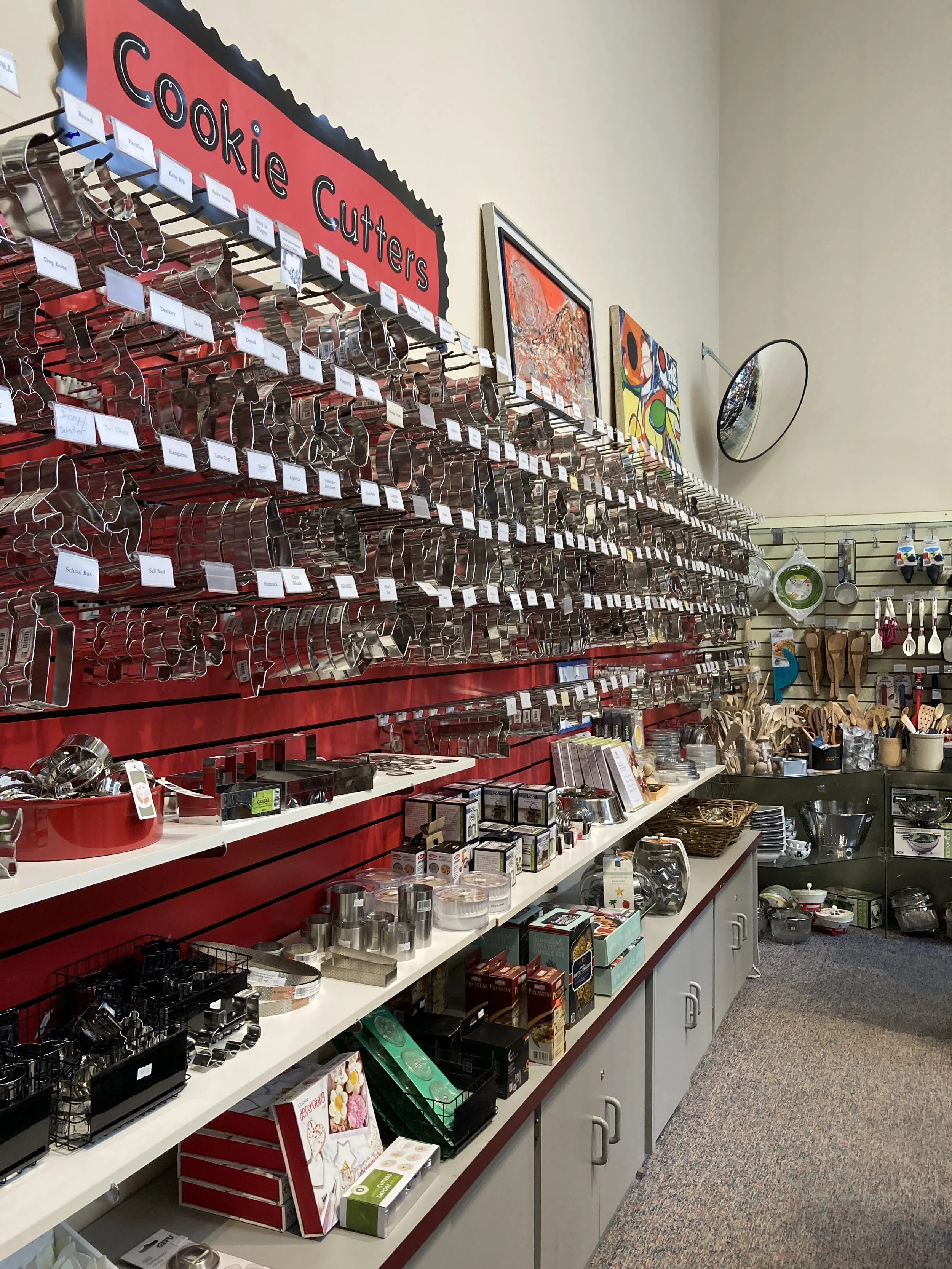
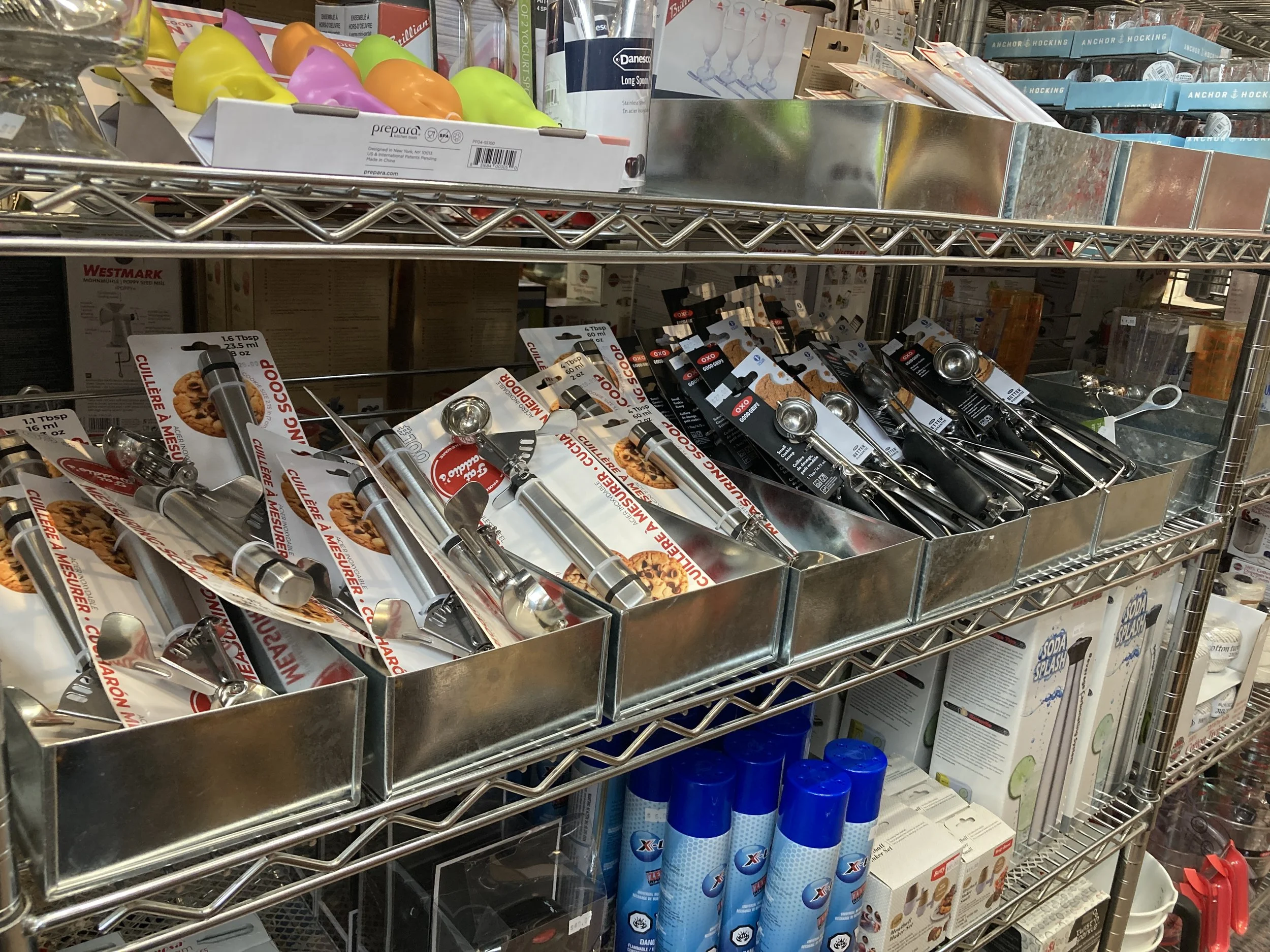
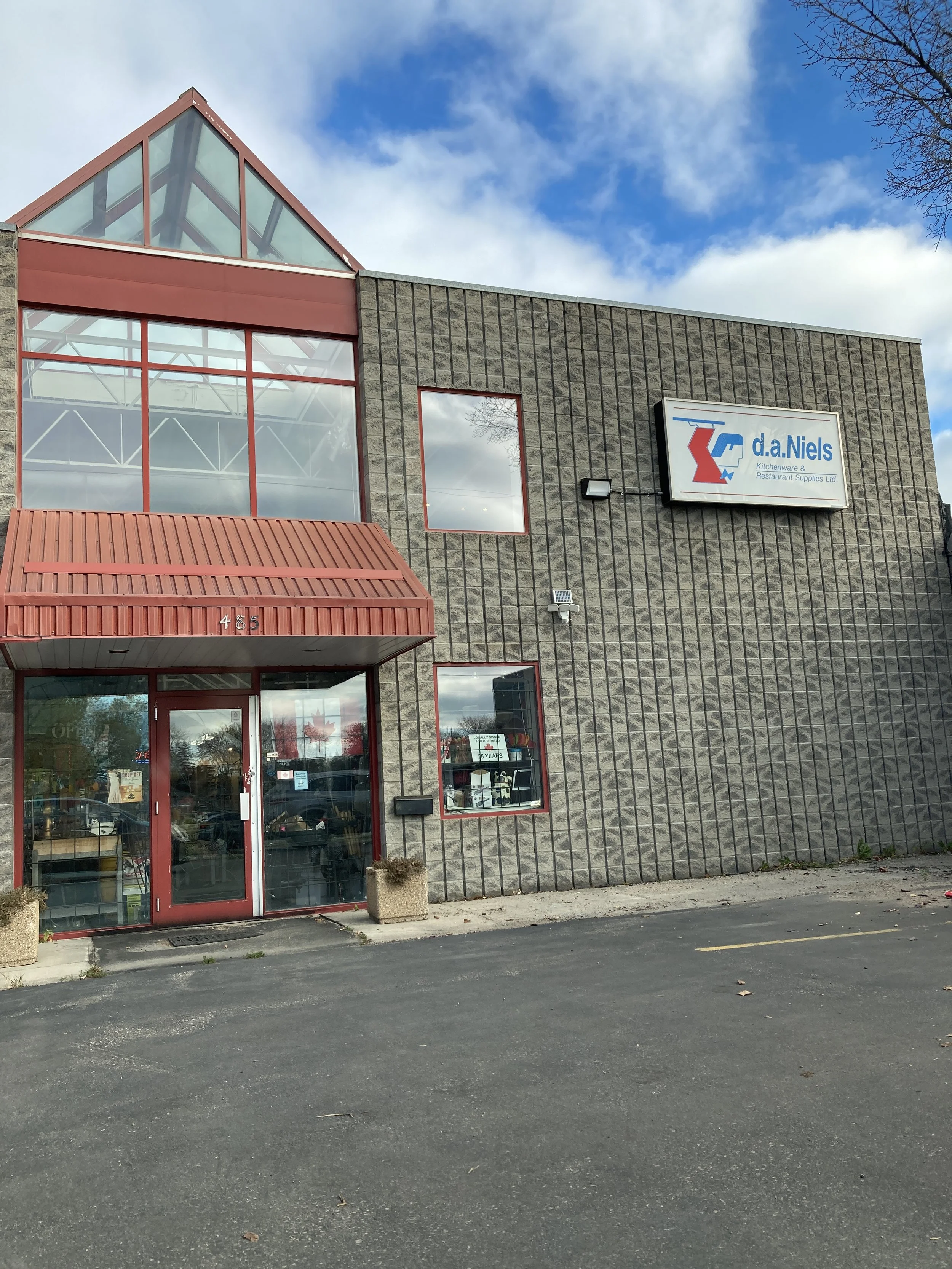
And d.a. Niels Gourmet Kitchenware (website) near the airport is fun to browse.  For cookies alone, there are all these cookie scoops and cookie cutters!
Enjoying

  • Often, I don’t care about discoveries very much… but this one, of wheat (see here) (via) delighted my prairie sensibilities.

  • On a recent episode of the 10% Happier podcast (Youtube link here), guest Katherine May said something I really liked: “I increasingly think that the work for those of us who are not on the front line at the moment, apart from giving all the support we can, is to almost store up those soft parts of life, to kind of maintain them and look after them and tend to them, so that they are ready for the people who need them. It’s almost like we’re maintaining a vision of the world as it should be against that hideous mainstream […] vision of bitterness, selfishness, snatching, anger. It’s the opposite of that. It’s like the work that we do is to take care of all of the stuff that’s beautiful […].”

  • To follow Ken Sakata on TikTok is to discover the craftsmanship of clothing. Contrasting Sebald’s depiction of loom workers in the eighteenth century are these women, working for Kuska Fabric. Sakata’s description of the intricacy of silk weaving at this fabric mill is heartening (here).  

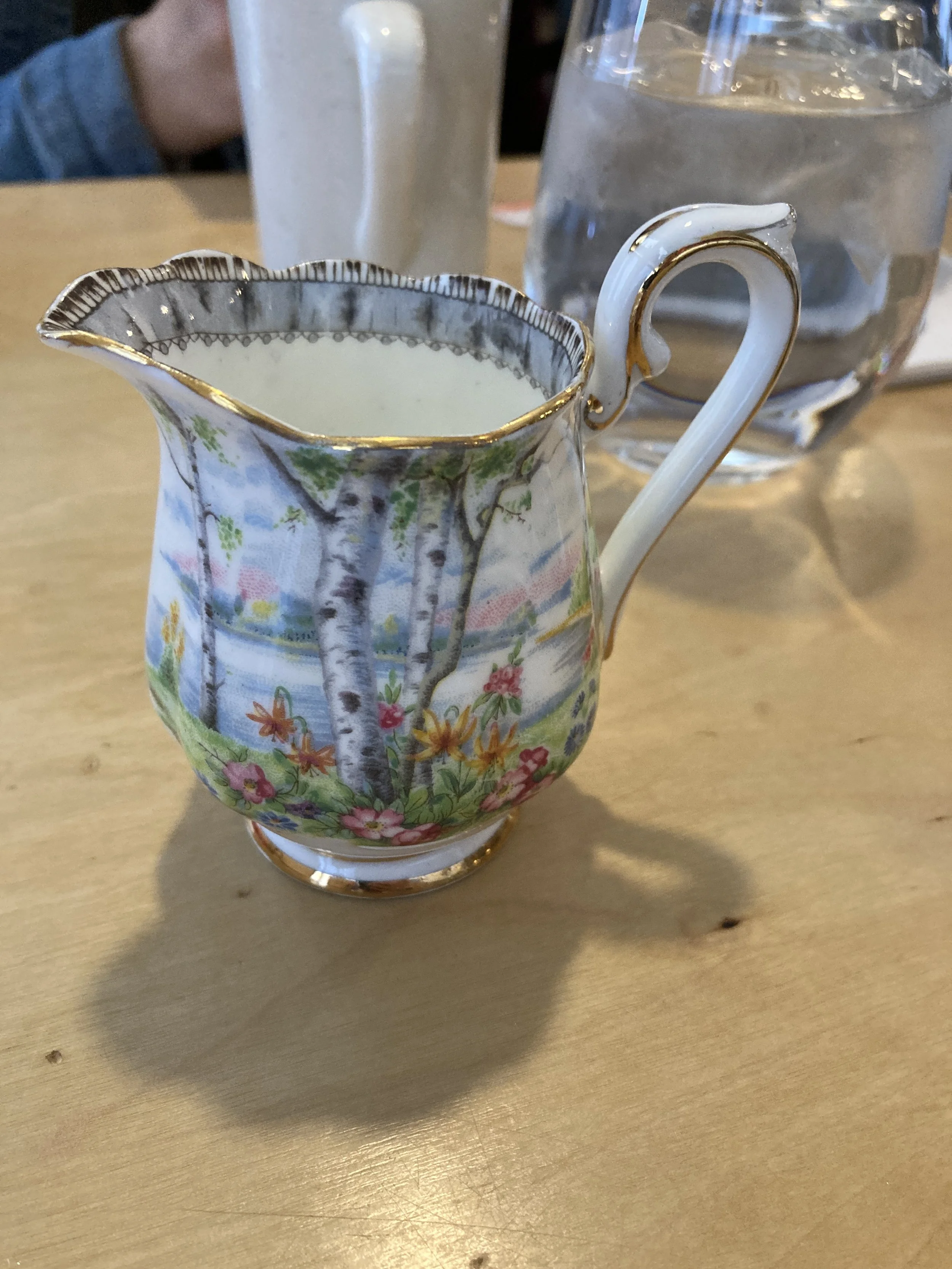
  • Two outings this week lead me to lunch at the Oakwood Café with one friend, and The Forge with another. The Oakwood Café has recently changed ownership (see their introductory post on Instagram) and further signalling this shift is an overhaul of the restaurant’s decor… the vibe is curated vintage finds and I was charmed. Tables have their own sets of salt and pepper shakers. And look at this creamer!
  • As for The Forge (website)… Writing more than once about the local neighbourhood coffee shop contravenes some vague rules that enforce novelty around here, but this bagel shop keeps evolving. It will soon be celebrating one year of business, and when it opened, it rewarded sweet-tooth expectations. On this week’s visit I chose the BLT on a Swiss and Ale bagel and the flavour combo was perfection. You might expect a business to open with their best foot forward, but this place keeps finding new ways to treat the tastebuds, and I’m happy for it!

How nerds throw a party

Finally, on the subject of entertaining, and because its fall, I really liked Malcolm Gladwell’s assessment of his father’s ability to gather students. He tells the following story:

My father, who was a nerd, but a very clever nerd, went to his graduate students. He said, “I’m going to have a party at my house called the leaf raking party.” And then the first year, like, five guys came, raked leaves, and then he had a dinner. And then they played party games of the sort that mathematics PhD students would like. 

The next year, 15 people came. The next year, 40 people came. The next year people who had got their PhDs drove like hundreds of miles to come. And by the end of the leaf raking party, by the end, before we moved out of the house, it was literally like a hundred people from […] like 25 nationalities. […] it was this kind of joyous event. And no one cared that they were raking our leaves. […] 

Your immediate sense of […] “oh, it’s a cynical act - he’s outsourcing labor to his grad students.” But if you knew my father, you knew that was the furthest thing from his mind. He understood […] ‘this is going to be way more fun if we do it together. A little outdoor physical labor is great. These are PhD students who are in their room all day.’ And then we’re going to have a fantastic dinner, and then we’re going to play the nerdiest, most complex party games […].

[…] The only reason he had that insight into how to create enduring connection with these people was that he was a nerd. And it was inconceivable for him just to have a party and invite people and have them mill around and talk. He wouldn’t have known what to do. He had to contrive this elaborate thing and that was the beauty of it.

He concludes:

The nerds, in compensating for their nerdiness, make the world a beautiful place. (Told here, on Revisionist History.)

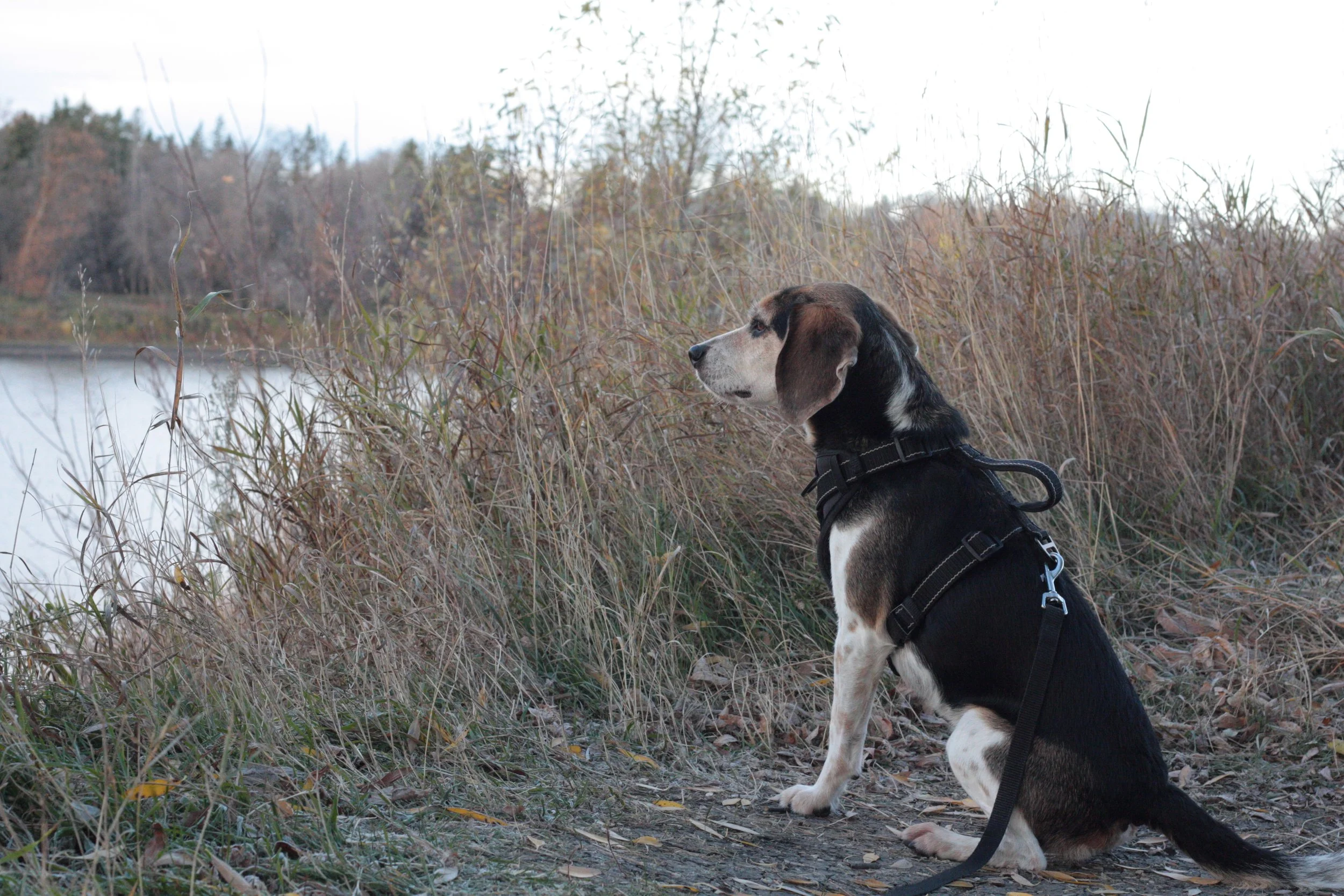
Walking the dog

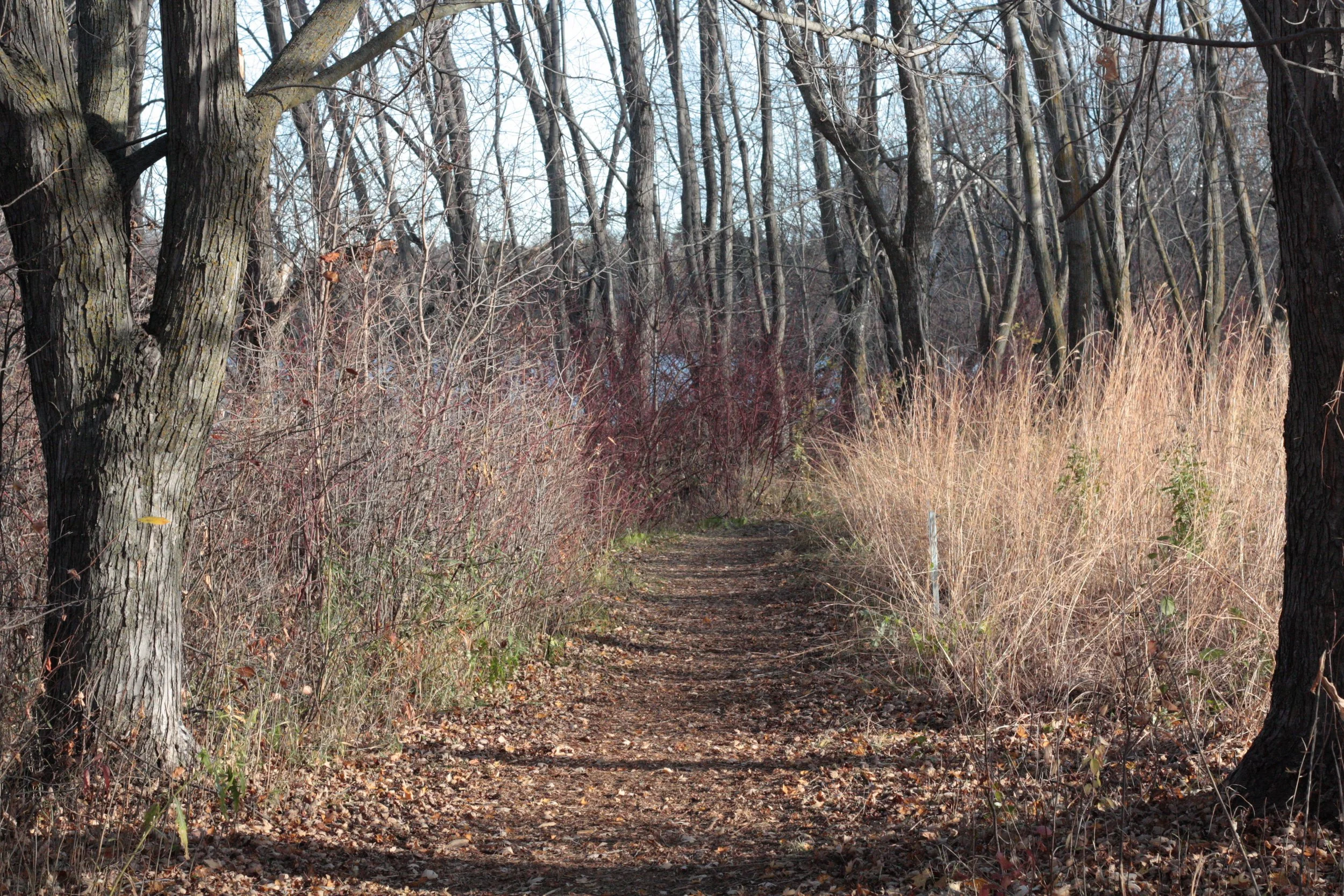
Our path along the river begins here, with an abandoned tree house, the kids who might have played there have long since grown…
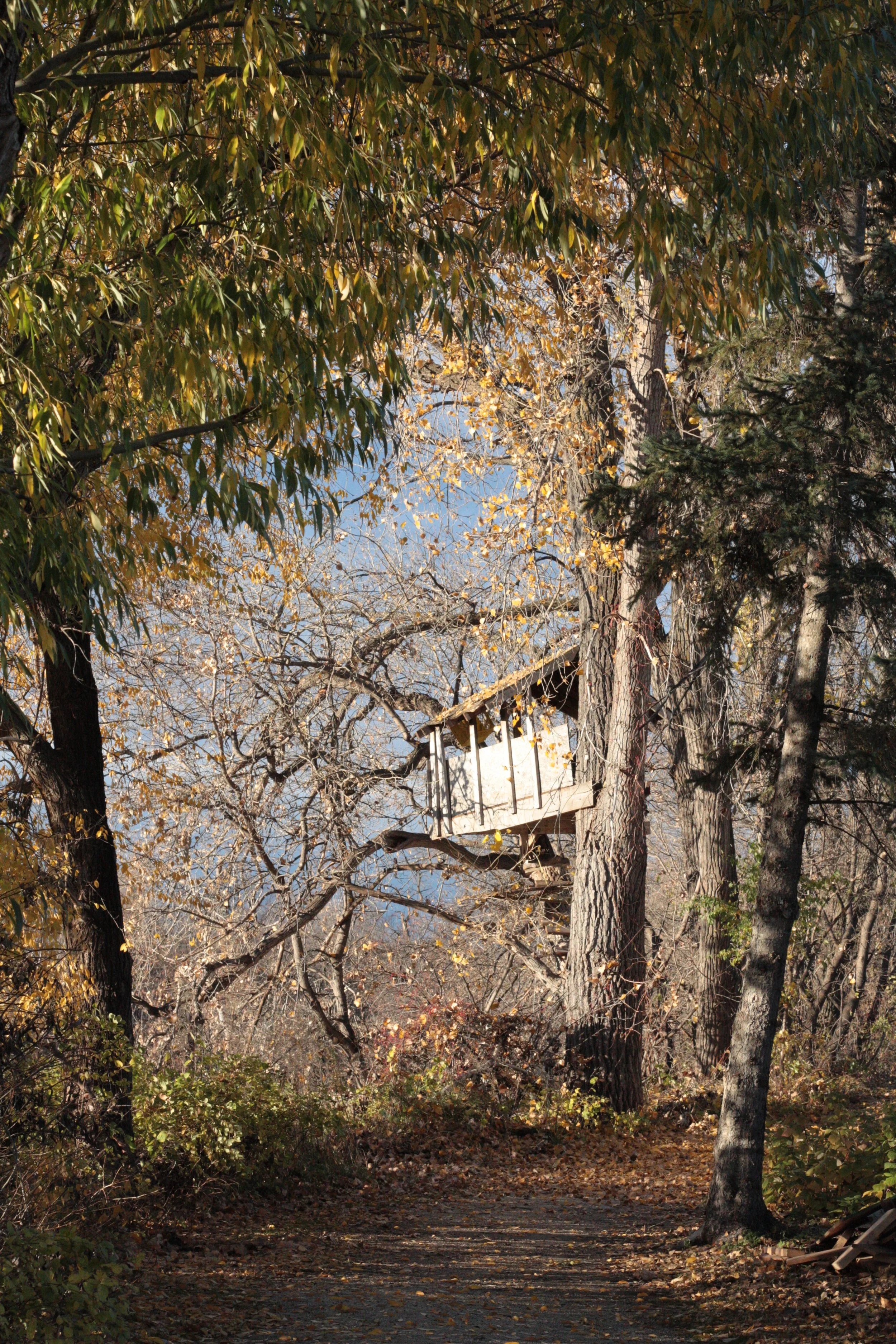
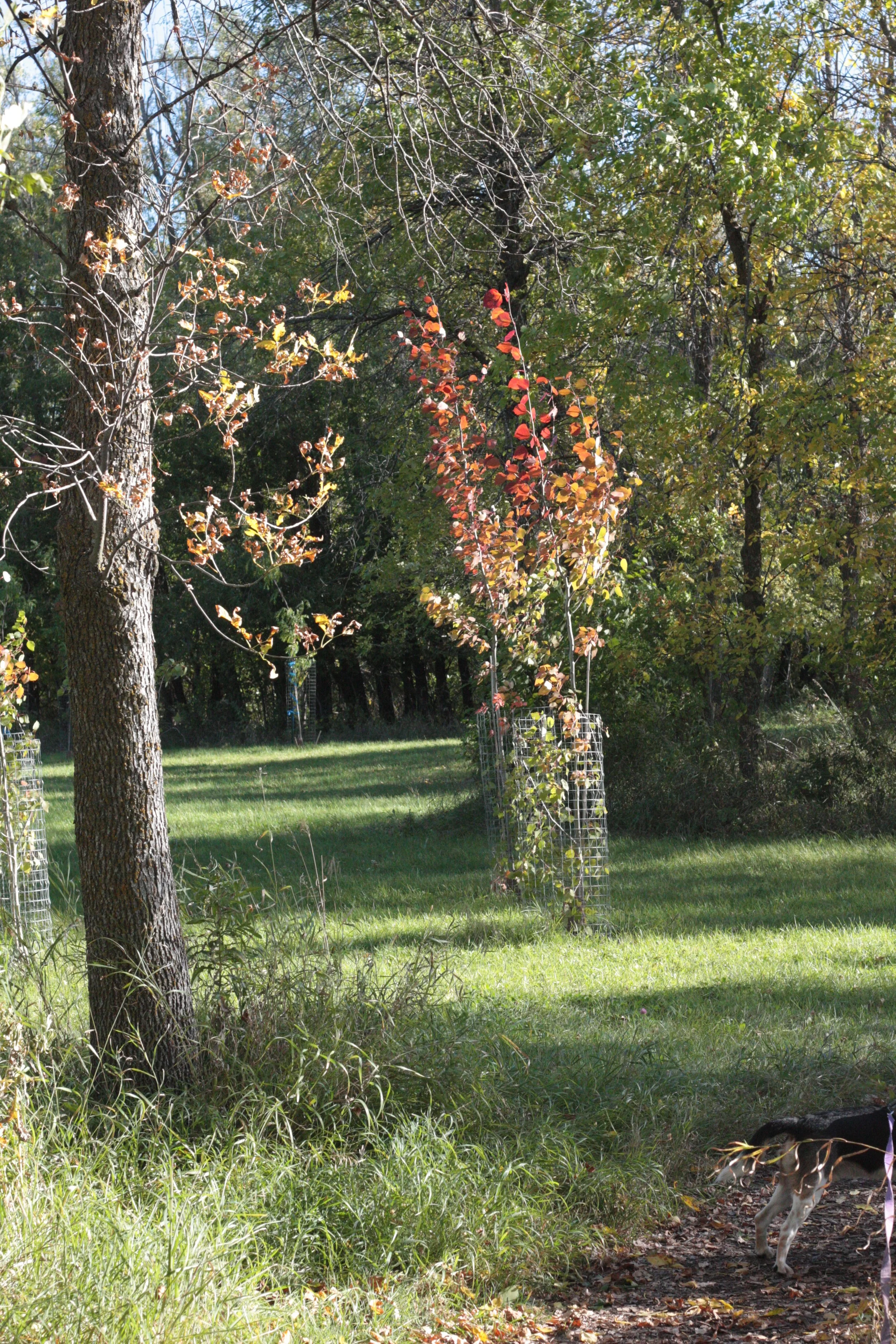
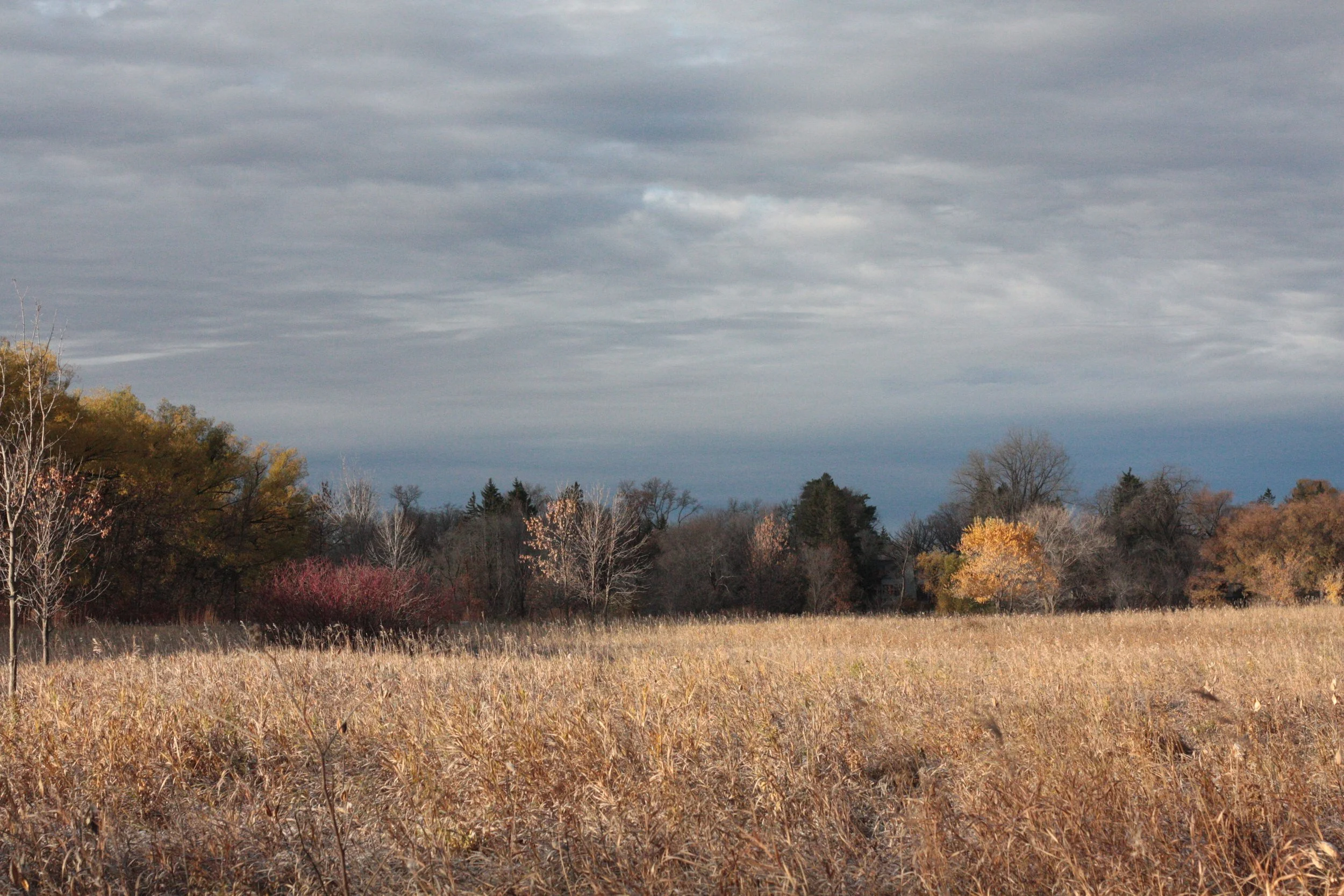
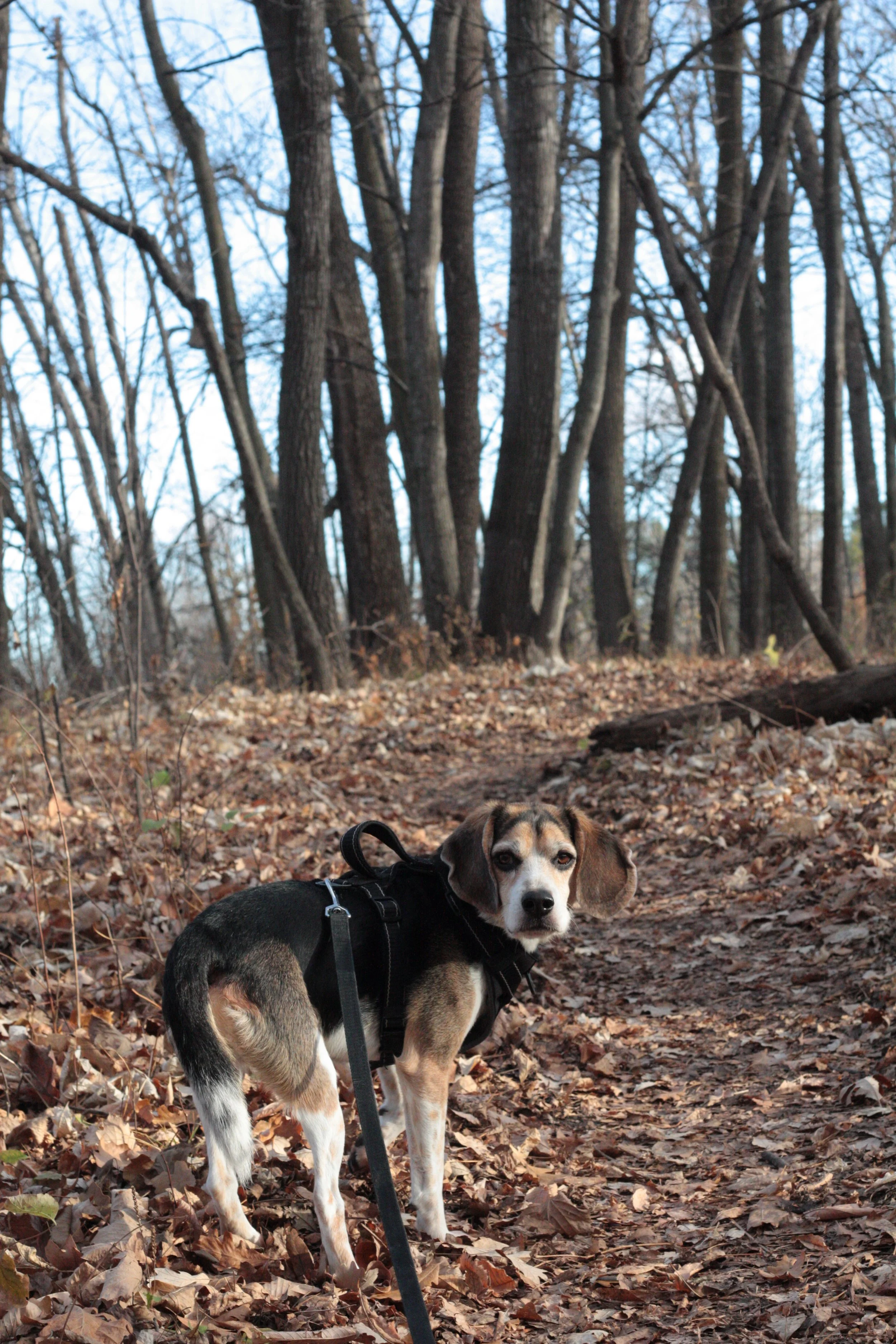
It’s another week of pretty fall colours… more bronze and gold and green and a pretty handsome dog. 
If you time it right, he will look into the camera…
Happy Sunday!

A Week on Sunday (no. 19)

Documentaries

Finishing one project and before heading into another I rewarded myself with two documentaries I’d bookmarked… Turn Every Page featuring Robert Caro and Robert Gottlieb and directed by Lizzie Gottlieb. I liked seeing footage of things I’ve only heard on podcasts or read in articles. The documentary adds another layer of visual stimulation… No Other Land an entirely different subject. It felt well-edited. The other day I was thinking of a small injustice I’d felt recently, a detail really, and my mind travelled to scenes from this film. In the overwhelm of one’s personal inability to stand against a torrent of suffering in this world, it feels right to imagine that an act of love, the sacrificial acceptance of what is difficult in one’s own experience, can be a not insignificant action that carries in its offering an invisible but true counterbalance to what is wrong right now. 

Food

Really liked reading Sophie Mulgrew’s “The Weight of Pasta Water” on her Substack Notes to No One. It reminds me of several women I’ve known. 

This week, I made a giant Challah, served half fresh with Deb Perelman’s Spring Asparagus [Bacon] Hash, and reserved the other half for decadent French Toast the next day, alongside a [Frittata] Maraîchère adapted from Dorie Greenspan’s Quiche Maraîchère. 

Labels

I know that applying labels to behaviour, and clumsily, applying labels to people by extension, is wrong if it is done uncaringly. I know that it can be hurtful to reduce a person to a label. I know some people are more sensitive to using labels than others. But I’ve also found labels to be extremely helpful for understanding behaviour, moving past frustration and accessing a more robust empathy. I therefore find Annabel Fenwick Elliott’s Tiktok about understanding her own labels really heartening to hear. “[Instead of feeling] punished by them, I study them.”  

Treat

This isn’t some fancy premium chocolate, but we like it and treat it as if it is, taking only a rectangles at a time instead of a snack or dessert.

Postcard

If I were to make a calendar for the year, I think it would entirely feature the seasonal transformation of the milkweed plant.

Have a great week!

I finished reading the Power Broker

I finished reading the Power Broker! Granted, I started during pandemic lockdown and listed it as a resolution in 2024…. By January 1st of this year, I had only 375 pages left to read. It’s a big book, not only heavy and over a thousand pages long… the pages themselves are large and packed with words. For university, I remember timing myself and finding that for one of Peter Gay’s books on the Enlightenment, I could read 50 pages in an hour. With the Power Broker I averaged 25.

I don’t live in New York and I don’t know if I’ll ever visit it, but The Power Broker is fascinating because it is a biography, because the subject in question is (I strongly suspect) a narcissist, and because the author, Robert Caro, is an amazing writer and researcher.

My favourite chapter (titled “And When the Last Law Was Down”) incorporates a description of one of Moses’ traits (vicious personal attacks), a description of a historic park (The Battery), his plan to build a bridge through it and the author’s description of a lesson of moral responsibility (letting ends justify means). 

First, Caro describes the park. He begins: “Sunlight, serenity, a sense of the sea - and something more. For walk into Battery Park at its Broadway entrance and staring at you, at the end of a long, broad grande allée, was an odd-looking building.” (650) He describes the building and he describes its history and I like all of it, but the park’s website does a great job of condensing everything with the help of visuals here: The Battery. Caro says, it was important, because: “In New York in which the old was ruthlessly demolished to make way for the new, the fort was pricelessly rich in ghosts of the city's great past.” (652)

I was listening to The 99% Invisible podcast series breakdown of The Power Broker, and the host in the 7th episode dealing with this chapter, Roman Mars, is a little critical of Caro’s invocation of historical ghosts. He says:

I do think that some of this reverie about, like, George Washington once walked here, and Lafayette had a brownstone nearby, is often used to stop cities working for people of the modern day. When you have so much reverence for history, […] nothing can move forward, and cities also need to function for the people who live today, and so it’s always a balance. […] When I read this, I can totally hear that in this case, it is the right argument for stopping the wrong project. But often, this is the wrong argument used to stop the right project.

It’s a comment among many that illustrates one of the reasons why I enjoyed this 99% Invisible podcast series… They balance Caro’s work, now published 50 years ago, against a modern-day perspective.

But back to quotes. 

Moses wants to build a bridge:

Sunshine, serenity, a sense of sea, a sense of history - build the bridge that Robert Moses wanted to build and they would be accessible to the streets of Lower Manhattan no longer. Build that bridge and the vista of New York Harbor would be destroyed, the majestic harbor sweep thrown into shadow, the sheer-rising skyscraper mass slashed in half and blocked, on of the wonders of the world turned into mere, rather unimportant backdrop for just another East River bridge not very different from the three others just behind it. (653)

A group of reformers, as Caro describes them, tried to stop him, by trying to convince him that a tunnel was better. Moses didn’t like tunnels, he preferred bridges and he met their efforts with derision. In this case, he insulted their members:

As for the vicious personal attacks, Moses had been making vicious personal attacks for years. The only difference was that this time the target was them - and they therefore saw how unfair the attacks were. Previously they had laughed indulgently at Moses' propensity for personal vituperation, regarding it as a harmless idiosyncrasy; perhaps, when one took into account all the crooked politicians, hack bureaucrats and selfish private individuals with whom Moses had to deal, even admirable. In that laughter and that indulgence was a feeling that Moses' methods, however distasteful, however antithetical to their principles, were justified by the difficulties he had to surmount to Get Things Done. (669)

Realizing at one point that they would not get through to him, no matter the arguments they used, some were shocked. But Caro writes, “They had no justification for such an emotion.” (669) Moses had not changed; it was they who were wrong for thinking he could or even should. And this is the moral lesson I love. To illustrate it, Caro refers to a movie my dad liked:

In A Man for All Seasons, Sir Thomas More warns young Roper about the consequences of letting ends justify means. When the young man says he would "cut down every law in England" to "get after the Devil," More replies: "Oh? And when the last law was down, and the Devil turned round on you - where would you hide, Roper, the laws all being flat?" The reformers could have benefited from More's warning. Robert Moses was of course not a Devil, but to give Moses power in the city, they had cut down the "laws" in which they believed. Now those laws no longer existed to protect the city from him. For the reformers and the city they loved, there was no place to hide. There was nothing the city, opposed to the bridge, could do to keep Moses from building it. (671)

I really enjoyed this book. I’ve enjoyed the discussion around it and the special 50th-anniversary interviews Caro has done for it. Tangentially, I’ve also been enjoying Rob Stephenson’s newsletter “The Neighborhoods” because it blends photography and history so nicely but it’s also studded with the present-day realities of Moses’ building projects.

—

Other things: We really liked Suzanne Goin’s Lemon Tart (made with regular lemons), which can be seen here.

Since spending less time on social media, I feel like I can relate to this, and the article she links to here.

Friday Five

1 Podcasts

There are podcast episodes that stand out because someone makes a point that stays in my mind long after the subject has changed. The Decibel, for example, interviewed Justine Hunter on the subject of lost fishing gear from a once busy Canadian industry that is now hurting wildlife and the efforts deployed to retrieve it. A worthy story that rings a tiny bell of optimism, but mostly what I retained is how Hunter framed the effort… On the podcast she says

To me, this is also a reminder that the abundance of our oceans has been depleted and cleaning up some of these messes, to me, is just like a little penance that’s due.

It’s as though she’s reminding us, having herself experienced how big and how amazing the ocean is, how some of its beautiful animals are suffering, that the inconvenience it’s now costing us to retrieve gear from a time when we benefitted so much from the ocean’s bounty, is a way of recognizing nature’s majesty and asking its forgiveness for our too hurried, too greedy attitude. I find it a heartening attitude. (Episode here.)

Second, is Canadaland… Jesse Brown is in favour of safe injection sites. The issue is in the news, Brown talks about how politicians spin the problem in their snappy-sensational-making soundbites and then takes the listener on a little journey to another perspective, thanks to a thoughtful interview with Derek Finkle. I really enjoyed this episode because it felt like I really learned a lot in a short time. Nice work! (Episode here.)

2 Department stores

This week I finished reading Bruce Allen Kopytek’s book titled Eaton’s: The Trans-Canada Store.

It’s the latest read in a fun little side-project into colouring-in my mother-in-law’s life story, which included seven-years’ employment at the Eaton’s store in Winnipeg in the 1950s. The book ends inevitably with the store’s demise and Kopytek writes:

Some employees offered their experiences over the last few turbulent years in hindsight. They admitted that the store became terribly shabby […]. More than one claimed that Eaton’s abandonment of its core customer was critical to its failure. The youth group that the store sought was not only fickle, but it also didn’t have tremendous amounts of disposable income, and what’s more, it never really identified with Eaton’s like its former customers did. (pp 386-7)

Its hard not to see in this a kind of pre-mortem for The Bay at the St. Vital Mall where my mother-in-law every week has us park the car, where we pass through broken doors and where she browses styles she dismisses (cut-out shoulders, shiny puffer jackets, neon shirts) as bizarre.

How many more years will this one limp along pretending that marketing can substitute for care, when I’m pretty sure there are a lot of older women that would be pleased with a crisp white polyester-blend button-down, with short sleeves for summer. And an extensive petites section. 

3 A lemon dessert

This week, I made Amy Thielen’s Lemon Nemesis for a lemon-loving birthday-celebrating lady and it was a hit even among the less-lemon-loving guests. It was also my first time using a blow torch - go me! If the dessert sounds intriguing (here’s Thielen’s description: “This giant lemony ice cream cake—from its salted butter-cracker bottom to the racy lemon custard middle to the swirled toasted meringue on top—corrals all three of my personal temptations into a single dessert. It is my nemesis. My lemon nemesis.”) the recipe is wonderfully available online. (See it here.)

4 Robert Caro

On the occasion of the 50-year anniversary of the publication of The Power Broker, the Daily aired an interview from the Book Review podcast with Robert Caro, its author. At one point, he discusses the writing, and Caro says,

I believe that if you want people to read a piece of non-fiction, and if you want it to endure, the level of the writing, the prose, the rhythm, the word, the choice of words, getting the right word, is just as important in non-fiction books as it is in fiction books.

Were I an audience in attendance at the recording of this interview, I would have stood up and cheered, would it not have caused an interruption - I want to hear everything Caro says about writing… I also am really really enthusiastic about his point of view on the subject.

5 The view here

Fall is turning leaves into potato chips on my morning walk. Its ombré colour treatment on this baby tree is also pretty nice.

Happy Friday!