History of concrete
What a funny quirky movie! Christian and I left the Dan Barber theatre downtown full of thoughts… In the shower the next day, I was still thinking about Jack Macco and how Wilson’s narration feels like it tempers eagerness. “Calm down” he seems to say, “let’s have a look here.” The between-projects feeling is real. The film’s editing that cuts from one idea to the next is my favourite thing: it’s the flash of curiosity alighting on a new tangent.
I’ve read some reviews online… The Gothamist (here) has lines about Wilson’s finding “meaning in the mundane” and how he is appreciated as a “comedic visual poet”. And this one (here) by Charlie Von Peterffy includes the line “concrete in reality and metaphor is mostly a myth of reassurance”. I like that. To pave is “to cover with a layer of something so as to form a pavement-like surface” and this documentary examines covers and plays with layers.
How to critique
Sometimes I confuse feeling inspired with critique and I appreciate the distinction Dana Jeri Maeier makes (here):
The most important thing I learned in art school does not fit in a nice click-bait-y list, however. The lesson arrived during a critique in a painting class. A fellow student was presenting her oil painting, a beautiful still life of an orange or maybe an orange peel. At one point in the crit, I mentioned how she could add a hand or something, some indication of a narrative or backstory.
I thought I was being clever, of course. But the professor shut it down immediately.
“She could do that,” he said. “But then it wouldn’t be her painting. It would be your painting.”
The ultimate lesson: judge art on its own terms, not yours. “This is what I would have done,” is not a critique. What’s the goal of the piece? Is it achieving it? Why or why not? That probably applies to a lot of life advice, too. If it were me, I’d do this generally does not take into account the fact that the other person isn’t you.
Ageing
This quote: “Ageing is the aggressive pursuit of comfort” (via an interview with Jim Murphy here) sounded like it was in conversation with Vivian Gornick’s discussion of literature. In The Situation and the Story, Gornick compares Jean Améry’s On Aging and Seymour Krim’s “For My Brothers and Sisters in the Failure Business” and writes: “each man, as he entered middle age, seemed overcome by the realization that he had not done the work necessary to attain inner freedom […] the work [D. H.] Lawrence was referring to when he said, ‘Man is free only when he is doing what the deepest self likes, and knowing what the deepest self likes, ah! that takes some diving.’ Central to both Krim and Améry was that each one considered himself a failure because neither - by his own lights - had engaged with his own deepest self. Here was a pair of men widely separated by culture, geography, and focus - yet both haunted by the inability to have faced down their own youthful anxieties, to have made themselves dive.” (P 64)
It’s a theme that continues to gain in relevance!
Cooking + Baking
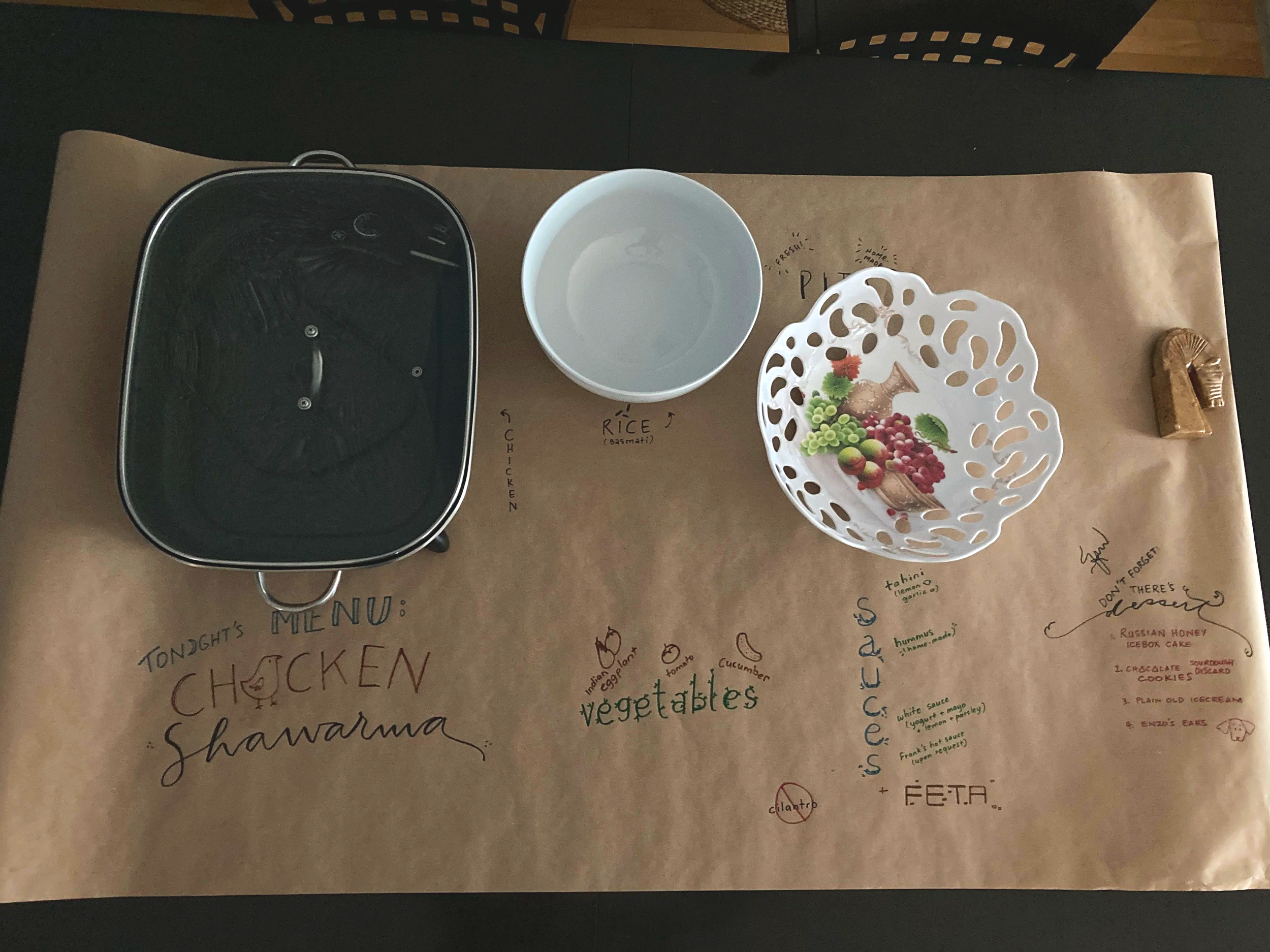
We had friends over last Friday and I made Sam Sifton’s Chicken Shawarma (a NYT recipe here) and like he says “It is perfect for an evening with family and friends.” We served it, as suggested, with home-made sauces: tahini, white, and hummus; and home-made pitas and (not our) garden-grown cucumbers, tomatoes, and quickly-fried Indian eggplants. It was a fully customizable meal, delicious in all forms! I had fun writing labels so that the buffet-style table was self-explanatory.
For company on Sunday, I made Amanda Rettke’s Chocolate Zucchini Cake from her cookbook Homestead Recipes published in 2022. The recipe, featured (here) on her website, is similar, except for the simple syrup step. Instead, I frosted the cake with store-bought Betty Crocker chocolate icing.
Enjoying
I like it when different reading and listening sources converge on a subject. First there was Manoush Zomorodi’s post (here) on the subject of publishing and marketing her latest book, Body Electric. One of the post’s subtitles is: “Podcasts aren’t the powerhouse converters they once were.” (Via) And then, I listened to Derek Thompson’s podcast episode with Chuck Klosterman, titled “Why Things Become Popular” (here) in which part of the discussion is an appraisal of non-fiction book sales and podcast appearances.
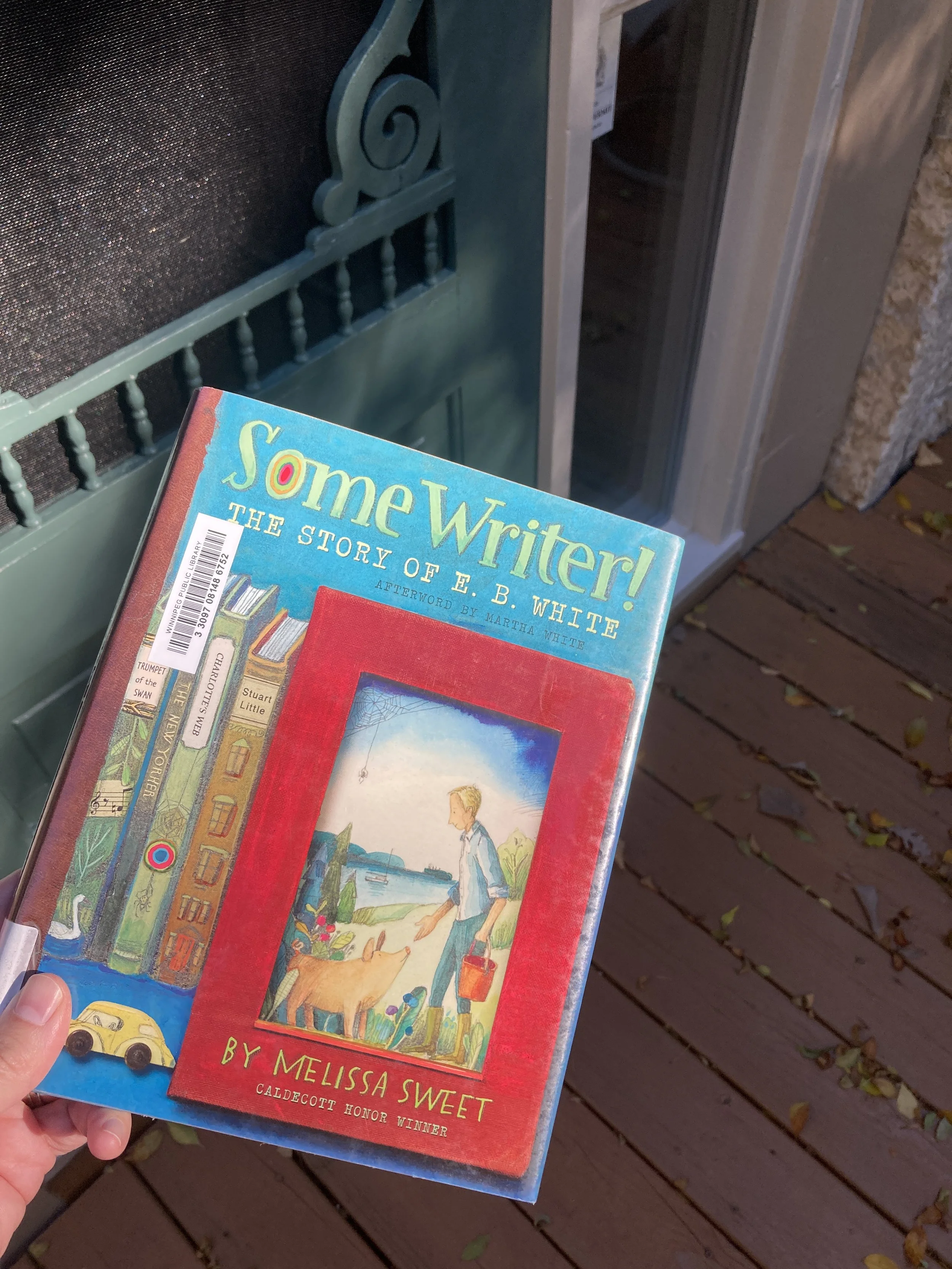
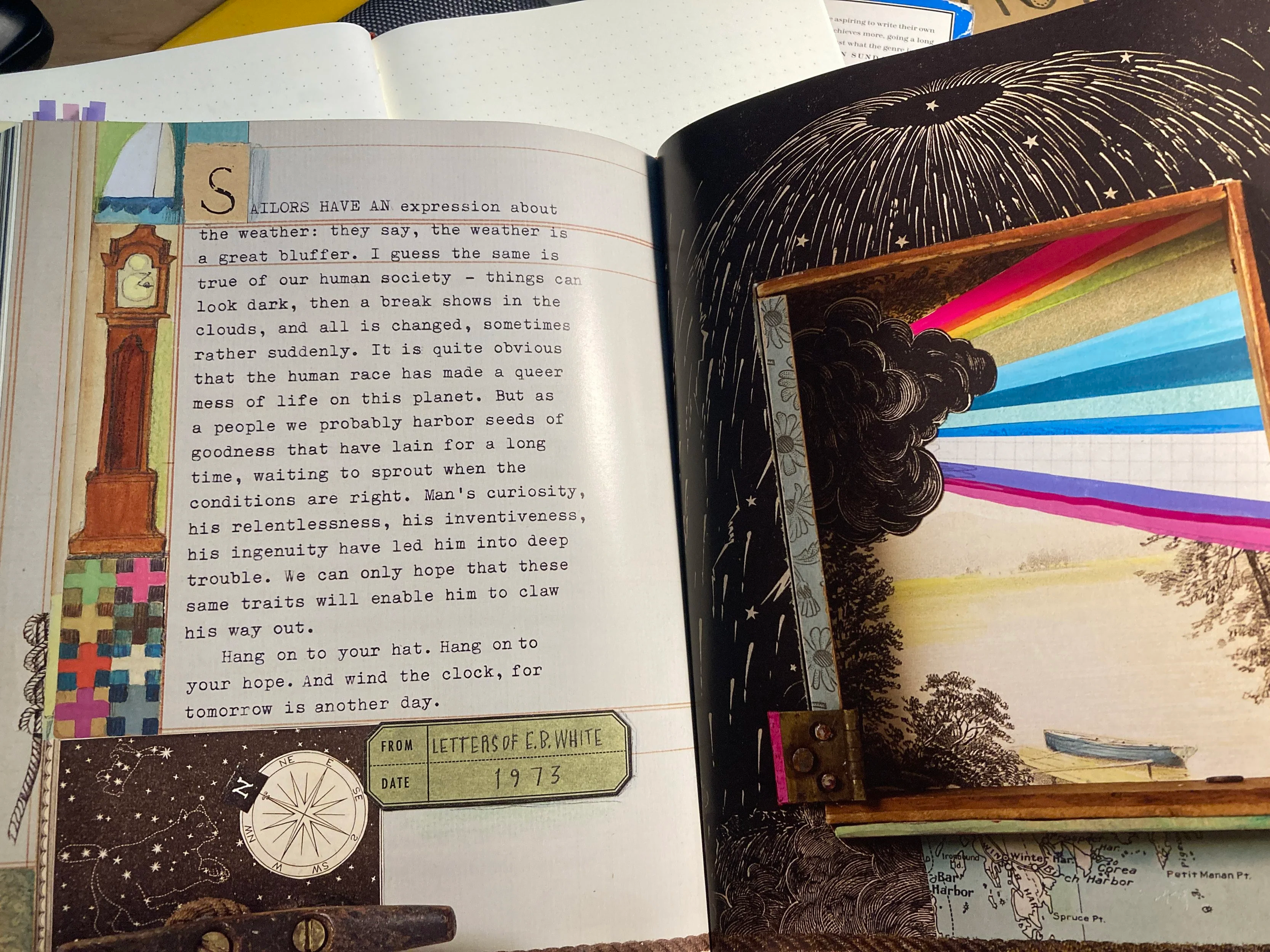
I mentioned illustrator and author Melissa Sweet in the previous post, and this week savoured her book Some Writer. I don’t think categorization should impede the enjoyment of a book, and it is all the more perfect that W. B. White who declared “I would rather wait a year than publish a bad children’s book, as I have too much respect for children” should be the subject of a biography that, in turn, treats its readers with just as much respect… One proof of this is the book’s 135-page length. Lots of good quotations, including this gentle poem (here).
I like following Ryan Stefan (website here) on TikTok if only because it makes me able to talk about perfume with better vocabulary. His website has a great list of Canadian perfume brands.
I never thought of clenched vs unclenched as an attitude, until I read this article (here), and since then, I’ve thought about it often. I know someone who laughs heartily, like the article describes, and the observation - “you can tell how much work someone has done on themselves by the depth of their laughter” - feels true. Via
Walking the dog
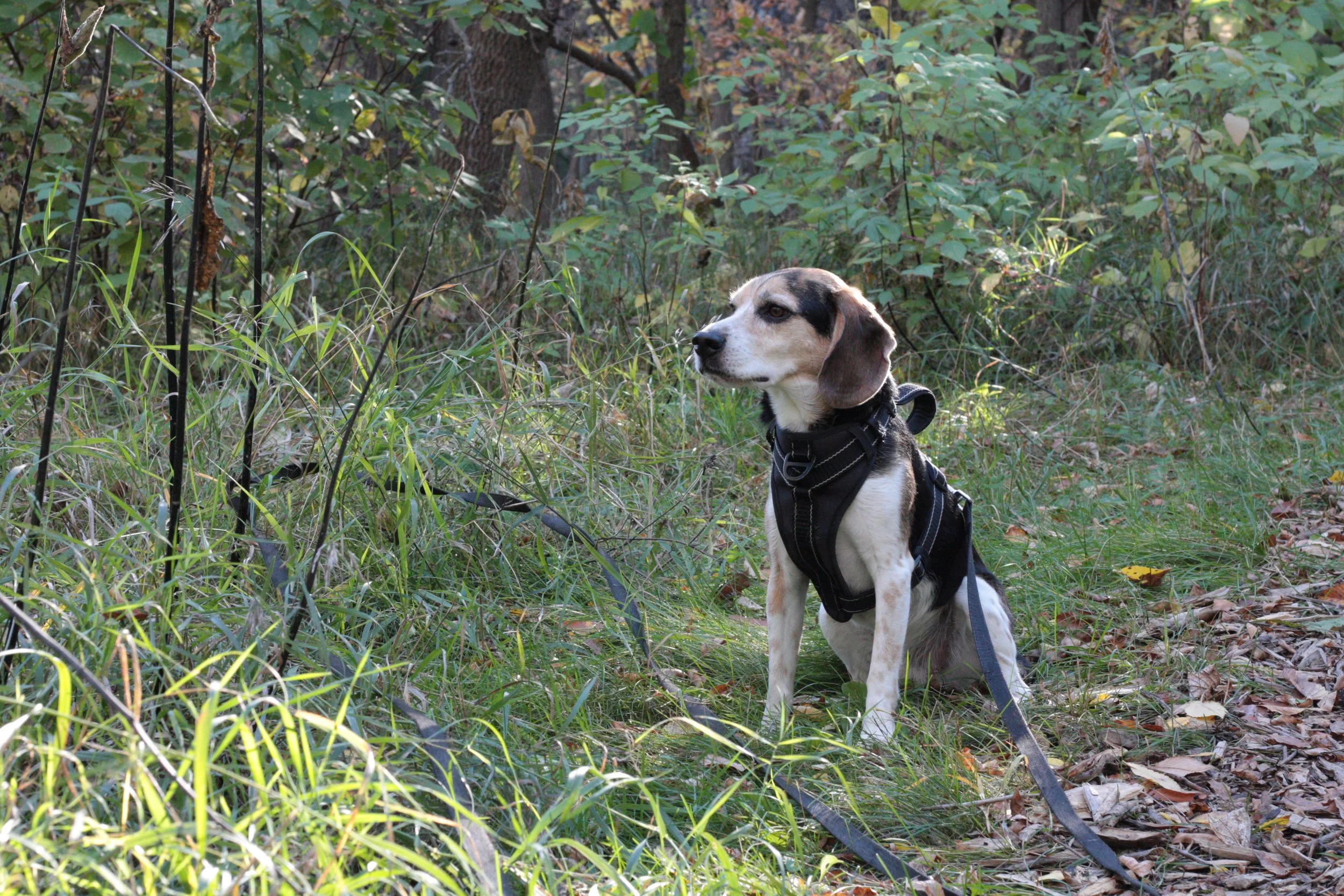
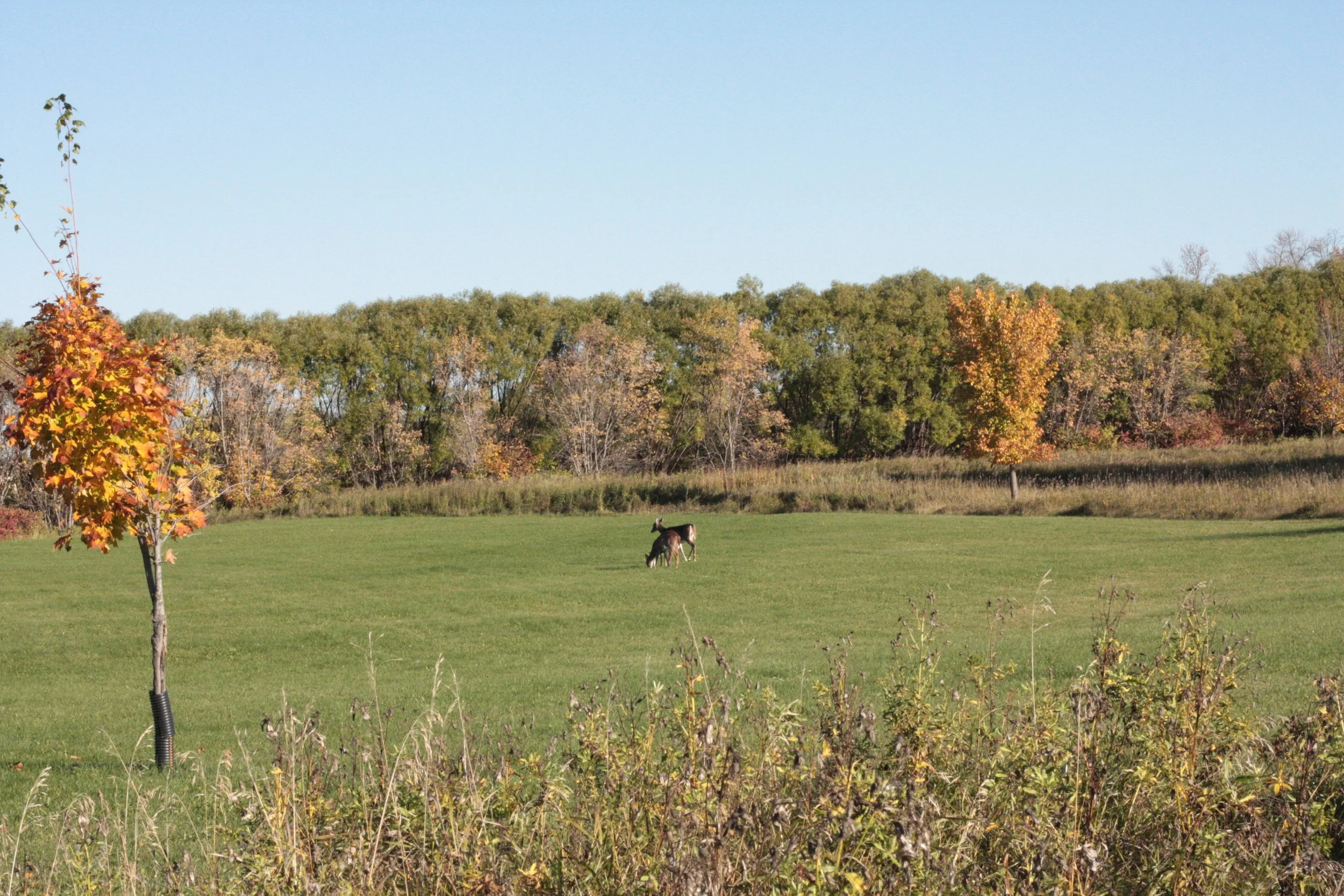
As soon as the wind picks up, it rains leaves. Otherwise, cool still mornings are alight with colour, and we’re enjoying every one of them!

Happy Sunday!