Welcome to a new edition of a weekly post, rounding up thoughts, quotes and links to things I enjoyed reading. This week, I finished reading Don Quixote (translated by Tobias Smollett, 2001 Modern Library Paperback Edition) - horray! And online reading lead to a little collection of quotes I liked.
Storm
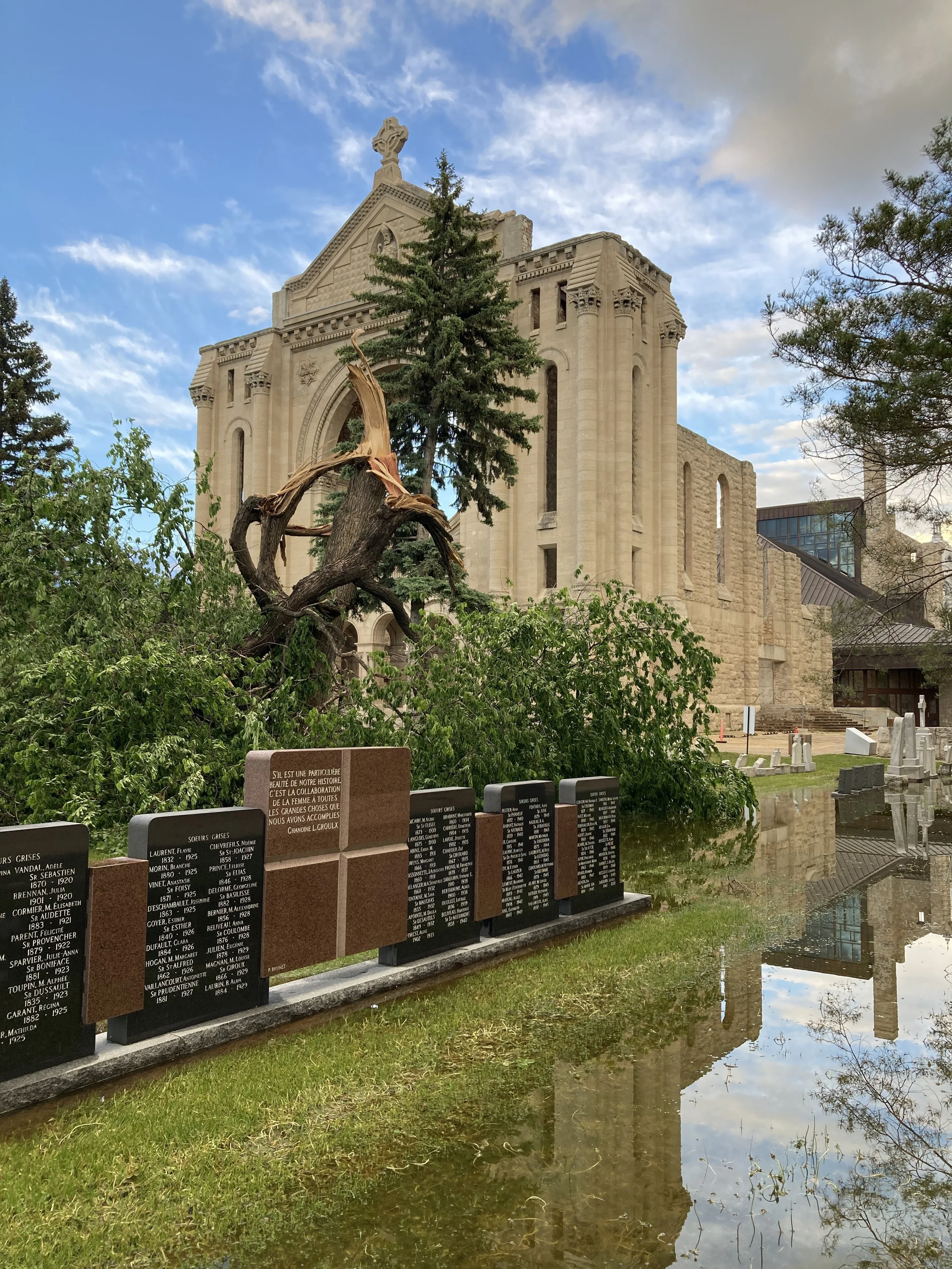
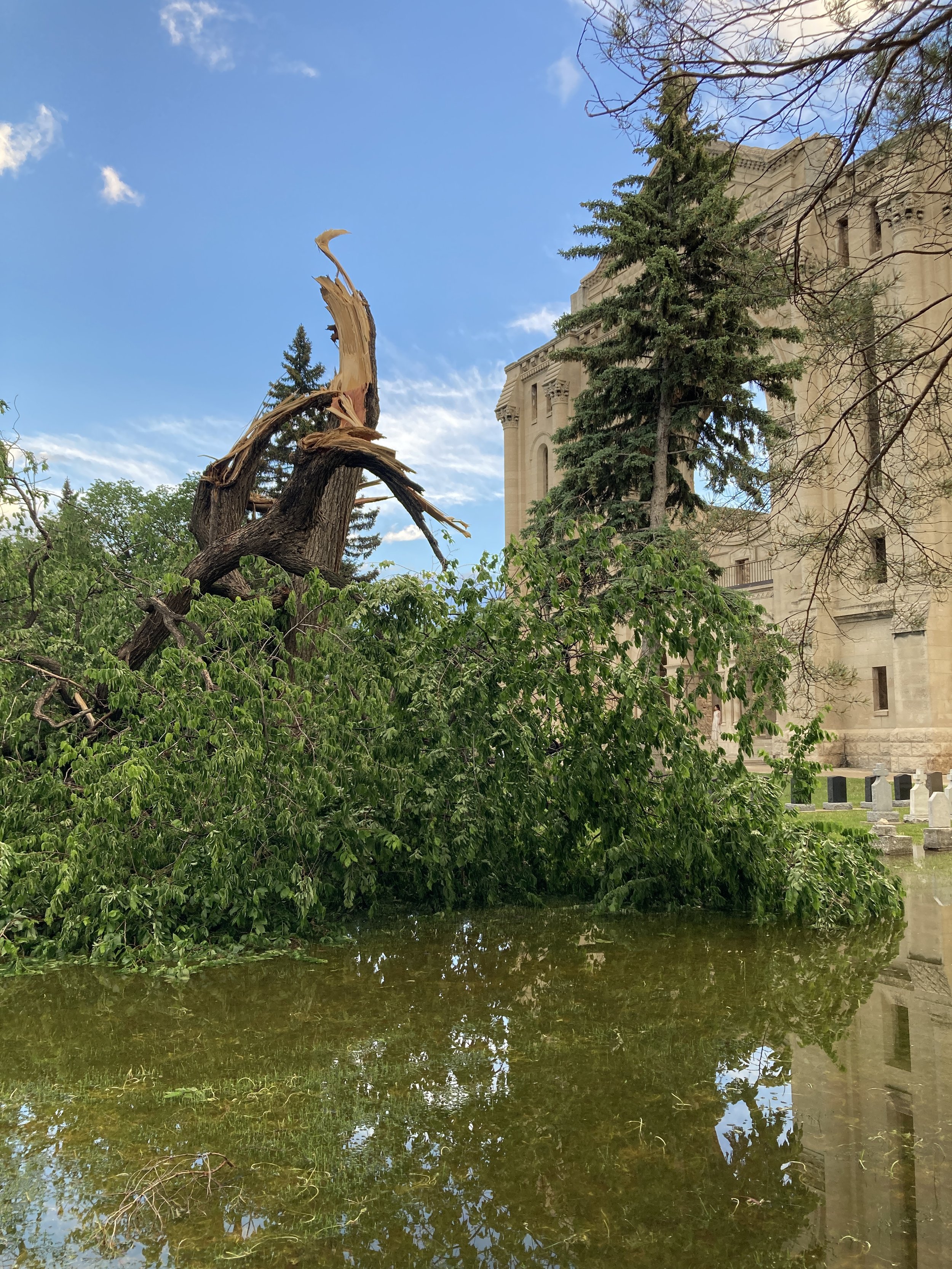
Winnipeg and parts of Manitoba were hit with storms Tuesday evening. In our area and in St. Boniface, there was a lot of rain and wind. This tree in front of the St. Boniface Cathedral was one of the most impressive casualties:
Don Quixote
Finally, I finished this brick. It’s a classic, and I’m happy to have read it, but there are some classics you enjoy more than others. I don’t like delusional characters and I don’t agree that some morality is to be found in Don Quixote’s way of seeing the world. Trying to sympathise with these arguments makes me impatient. That being said, the friendship between Don Quixote and his squire, Sancho Panza, demonstrated in their dialogue, has a touching quality to it. Take, for example, how the squire names the knight:
(…) the knight asked what had induced Sancho, now, rather than at any other time, to stile him the knight of the rueful countenance. “Truly, answered Sancho, I have been looking at you some time, by the light of that torch the unfortunate traveller held in his hand; and in good faith, your worship cuts the most dismal figure I have almost ever seen; and it must certainly be occasioned either by the fatigue you have undergone in this battle, or by the want of your teeth.” “That is not the case, replied his master; but the sage who is defined to writ the history of my exploits, hath thought proper that I should assume some appellation, by the example of former knights, one of whom too the title dog the Flaming Sword; another, of the Unicorn; a third, of the Ladies; a fourth, of the Phoenix; a fifth, of the Griffin; a sixth, called himself the Knight of death: and by these epithets and symbols, they were known all over the face of the earth; and therefore, I say, that the fore-mentioned sage hath now put it into thy thoughts, and directed thy tongue to call me the knight of the rueful countenance; an appellation that henceforward I adopt: and that it may suit me the better, I am resolved to have a most woeful figure painted upon my shield, with the first opportunity.” “There is no occasion, said Sancho, to throw away time and money on such a device; your worship has no more to do, but uncover your own face; and I’ll warrant, those who behold it, will call it a rueful one, without your having recourse to pictures and shields to explain your meaning; and you may well believe I tell you nothing but the truth, when I maintain, tho’ it be but in jest, that hunger and the want of teeth, makes your worship look so ill-favoredly, that we may very well save the expense of a rueful picture.”
Don Quixote could not help laughing at the pleasantry of Sancho, tho’ he actually determined to assume that name, and have his shield and target painted according to his fancy. (p 181)
My favourite passage is Sancho’s appraisal of sleep:
(…) while I sleep, I am troubled neither with fear nor hope, nor toil nor glory; and praise be to him who invented sleep, which is the mantle that shrouds all human thoughts, the food that dispels hunger, the drink that quenches thirst, the fire that warms the cold, the cool breeze that moderates heat; in a word, the general coin that purchases every commodity; the weight and balance that makes the shepherd even with his sovereign, and the simple with the sage: there is only one bad circumstance, as I have heard, in sleep; it resembles death; inasmuch ,as between a dead coarse and a sleeping man there is no apparent difference.” (p 1051)
Enjoying
On a recent episode of the podcast “What it’s like to be… with Dan Heath”, Esther Berkowitz, a clinical ethicist, described an aspect concerning the respect of autonomy this way:
“there's this concept that I really love called the "dignity of risk", which is the idea that we support people's dignity in allowing them to make decisions that sometimes are high risk or very inadvisable. But that's a part of human dignity to be allowed to take risks and potentially not have good outcomes.”
It struck me that the New York Times article, “Tenderly Tracking My Husband” by Caroline Bailey (via Kottke) offers an example of this concept in action (Archive link).On the one hand, an article titled “My Students Can’t Read” by Tyler Jagt is alarming, but I like the point he makes on the subject of analysis:
“When I assign analysis, I am not trying to extract a polished product; I am trying to put the student’s mind through resistance in order to make it stronger. Offloading the struggle to a chatbot does not ‘free students up for higher-order work.’ It deprives them of building the strength to do any substantial cognitive work at all.”
On the other hand, “The Power of Patience” by Jennifer L. Roberts sounds ennobling.
“I want to focus […] on creating opportunities for students to engage in deceleration, patience, and immersive attention. I would argue that these are the kind of practices that now most need to be actively engineered by faculty, because they simply are no longer available ‘in nature,’ as it were. Every external pressure, social and technological, is pushing students in the other direction, toward immediacy, rapidity, and spontaneity—and against this other kind of opportunity. I want to give them the permission and the structures to slow down.”
(This practice of attention reminds me of Hisham Matar’s book The Return, in which his staring at artwork is a practice he describes.)This quote by Charles Leifer: “What sustains me through difficulties is not a single thing. On motorcycles, it's just me, the bike, and the environment. Selling the home, it was the harder thing: to turn away from selfish scheming towards faith that right principles, when put into action, would produce a good outcome. AI cannot address either, because the sense of technical mastery is itself the reward for the hours spent in practice. And similarly, it cannot supplant faith, because faith rests upon hope, and these grow only by taking a risk. I had to experience a lot of pain, mistakes, loss to understand the value of the kind of love Dickens writes into Betsey's spirit.” (via Robin Sloan)
Robin Sloan’s popup newsletter (here) lead me to L.M. Sacasas’ substack, called “The Convivial Society” where one post lead to another. I like many of the points he makes. For example, from one post titled “Do you Still Look at the Stars” he writes:
“We are habituated into a mode of life that doesn’t reward, and actively inhibits, our capacity to see what is there before us. Our gaze is monopolized by our devices, and the demands of efficiency and productivity steal from us the leisure that, as Josef Pieper wrote, is ‘a form of that stillness that is the necessary preparation for accepting reality.’”
In “AI as Christian Heresy” he writes:
“AI is apocalyptic in exactly one narrow sense: It is not causing but rather disclosing the end of a world. (…) the manner in which AI is developed, deployed, and marketed reveals the degree to which our modern institutions are failing and expiring.”
And:
“Build a techno-social system which demands that humans act like machines and it turns out that machines can eventually be made to displace humans with relative ease.”
And in a post titled “Waste Your Time, Your Life May Depend On It” he writes:
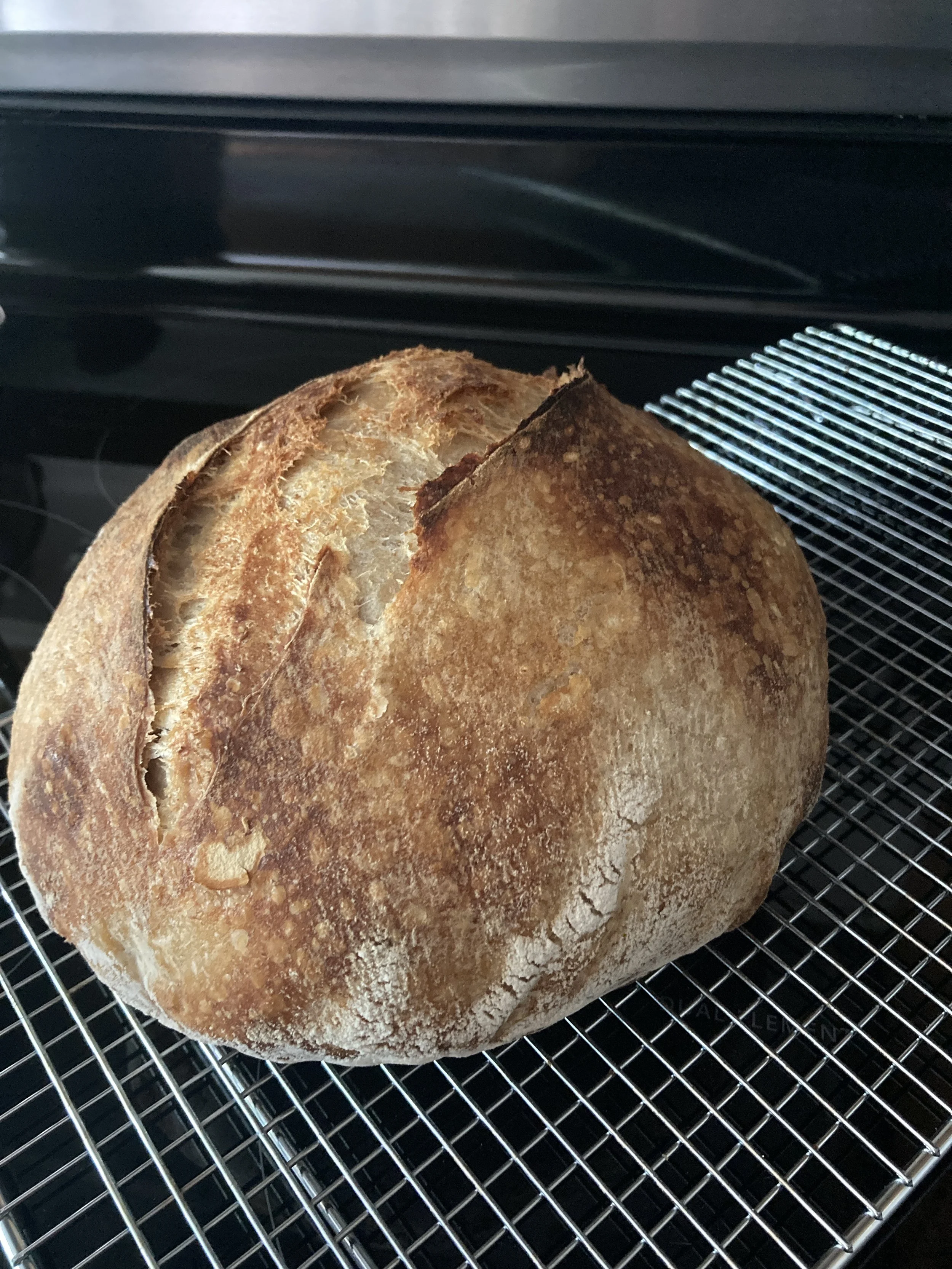
“Most importantly perhaps, I think that we should recognize that with all the talk of automated labor and outsourced intelligence we are being distracted from the one element of most profound human consequence—care. Care is what creates the possibility of purposeful action. Care is what issues forth in meaningful knowledge of the world and others. Care is ultimately what transforms the quality of our involvement and engagement with the world so that we pass from ‘getting things done’ to living.”This week marks a first attempt at sourdough, following a recipe from Hailee Catalano’s book By Heart… The result exceeded my (very low) expectations: the flavour was surprisingly mild and the whole loaf was eaten in the course of 3 days. I’ve taken note of the flaws, and find that The King Arthur Baking Company Big Book of Bread offers a reassuring amount of suggestions for improving sourdough outcomes. What is attractive about Catalano’s method of making starter, compared to King Arthur’s (heh!) is that hers requires only a single feeding every 24 hours, compared to King Arthur’s two. Catalano’s also uses less flour total; 50 grams instead of 75. Learning to make bread from natural leaven is a hobby in itself.
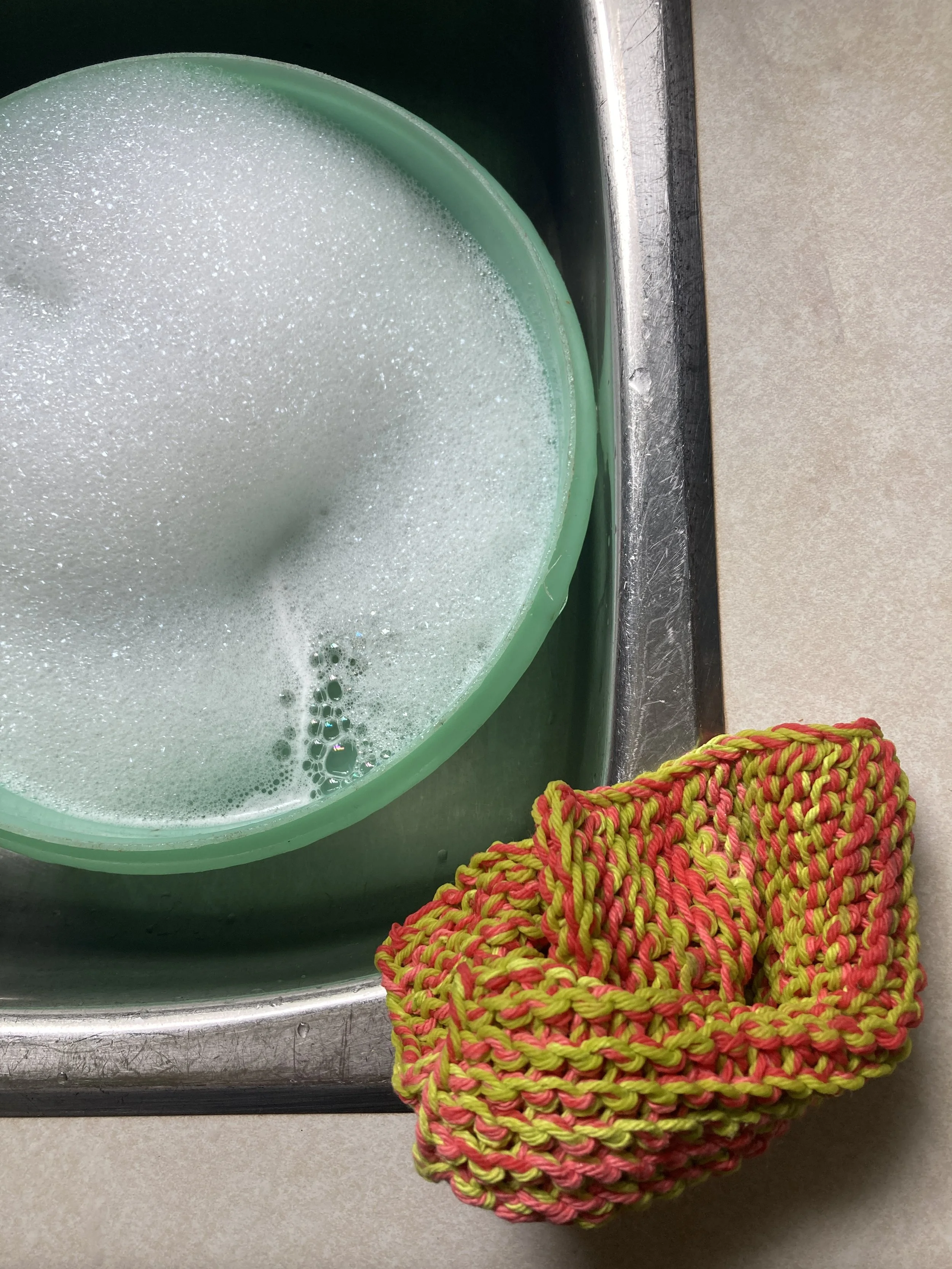
A pretty colour combo from a gifted knitted dish cloth!
Cooking
We enjoyed Hailee Catalano’s “Spinach and Artichoke Ziti” so much that we made it again for a dinner guest. Catalano’s recipes don’t feel like they’re incorporating unusual ingredients for the sake of unusual-ness. Instead, as you’re cooking and eating from her cookbook By Heart, it feels like you’re entrusting yourself to capable hands and good flavours will ensue.
Walking the dog
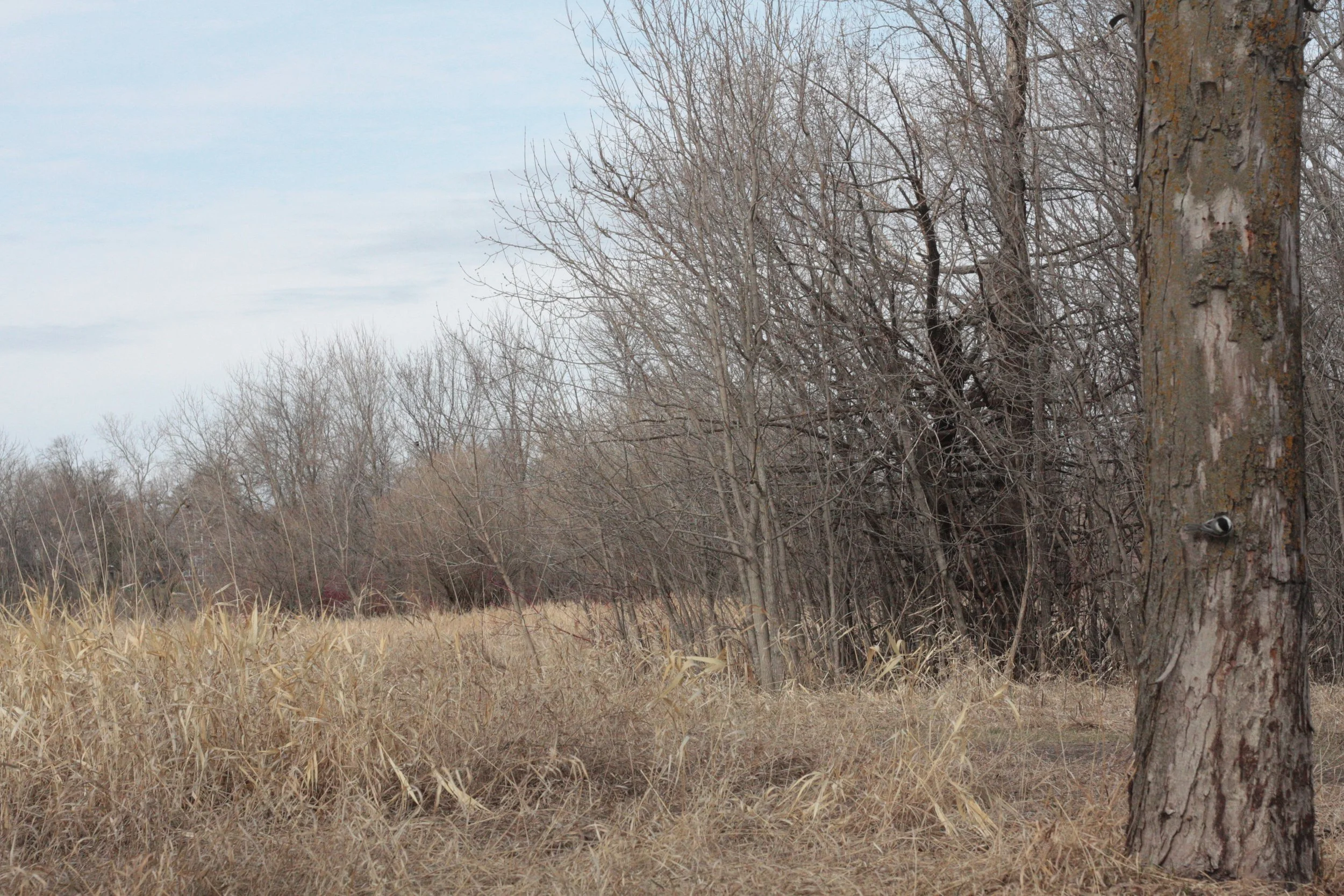
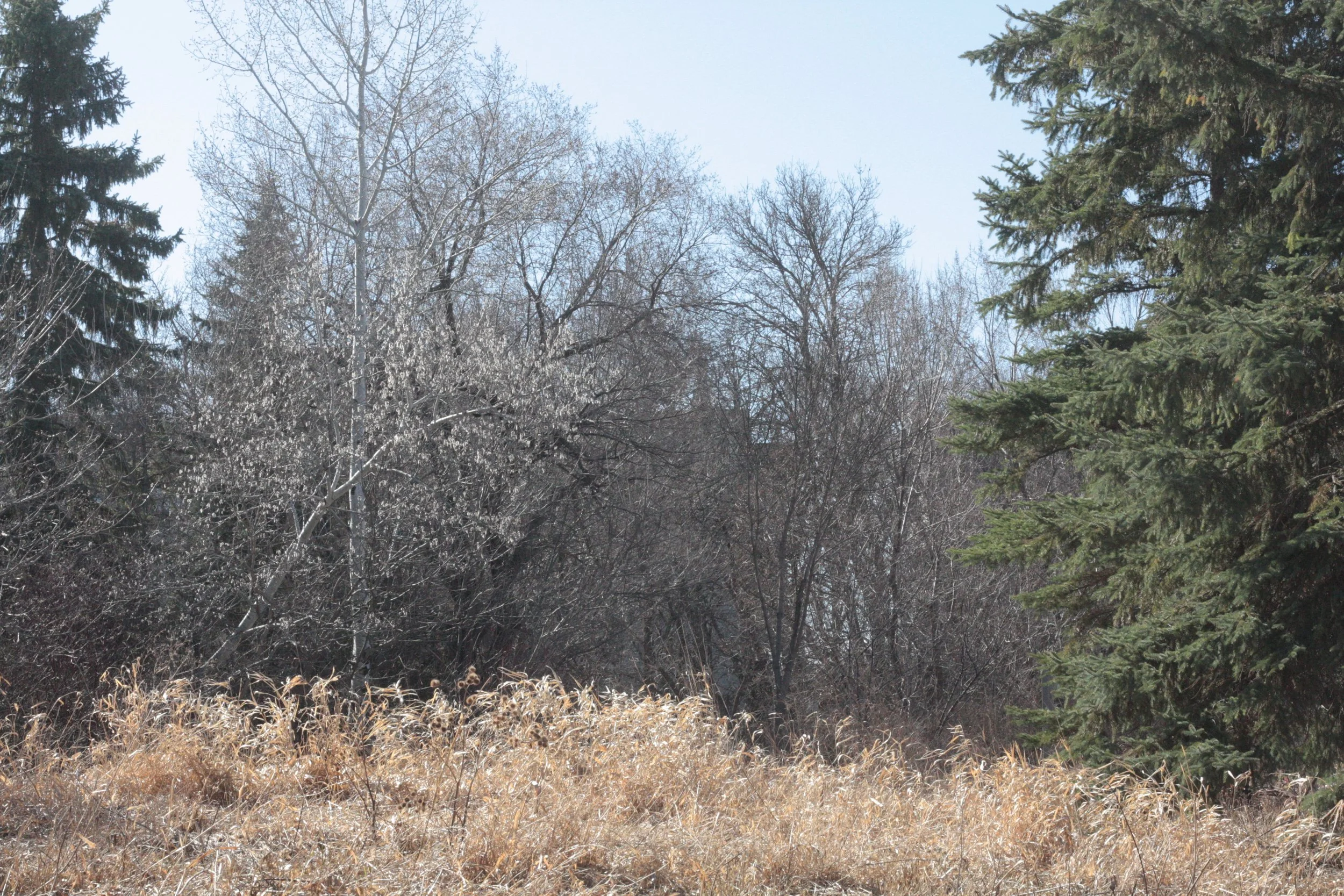
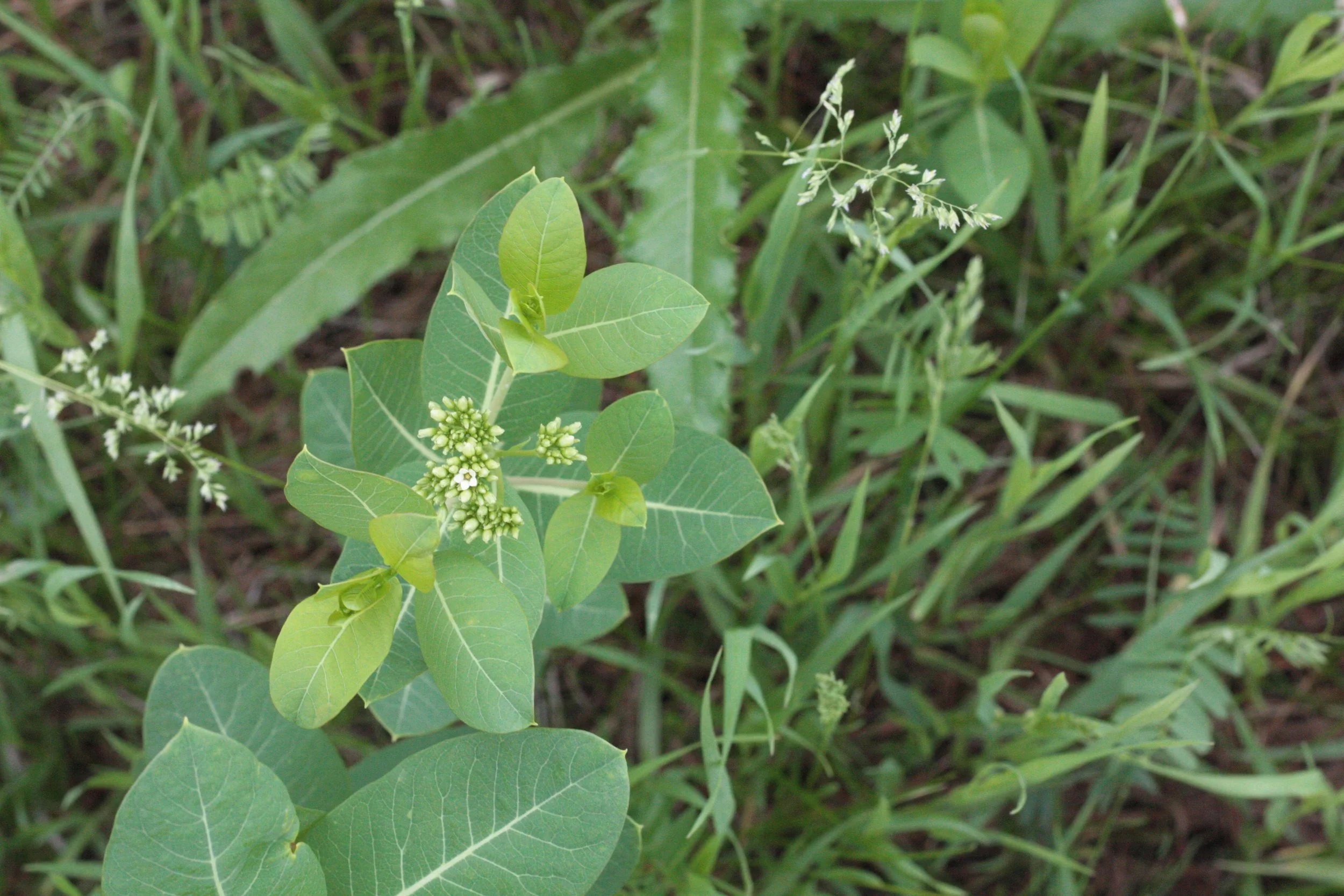
This week featured warm temperatures, après-storm views, and a bit of rain. The milkweed looks like this:
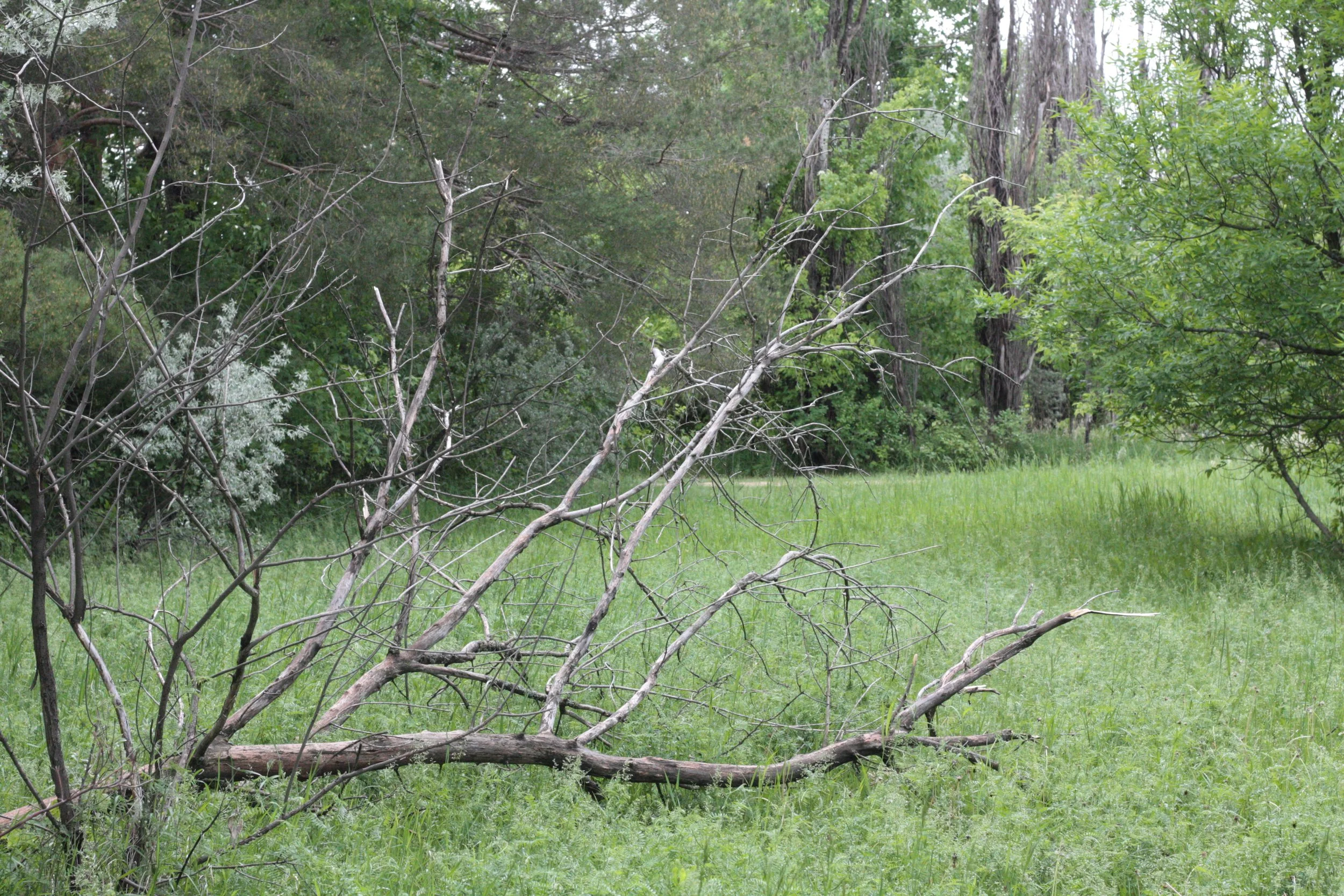
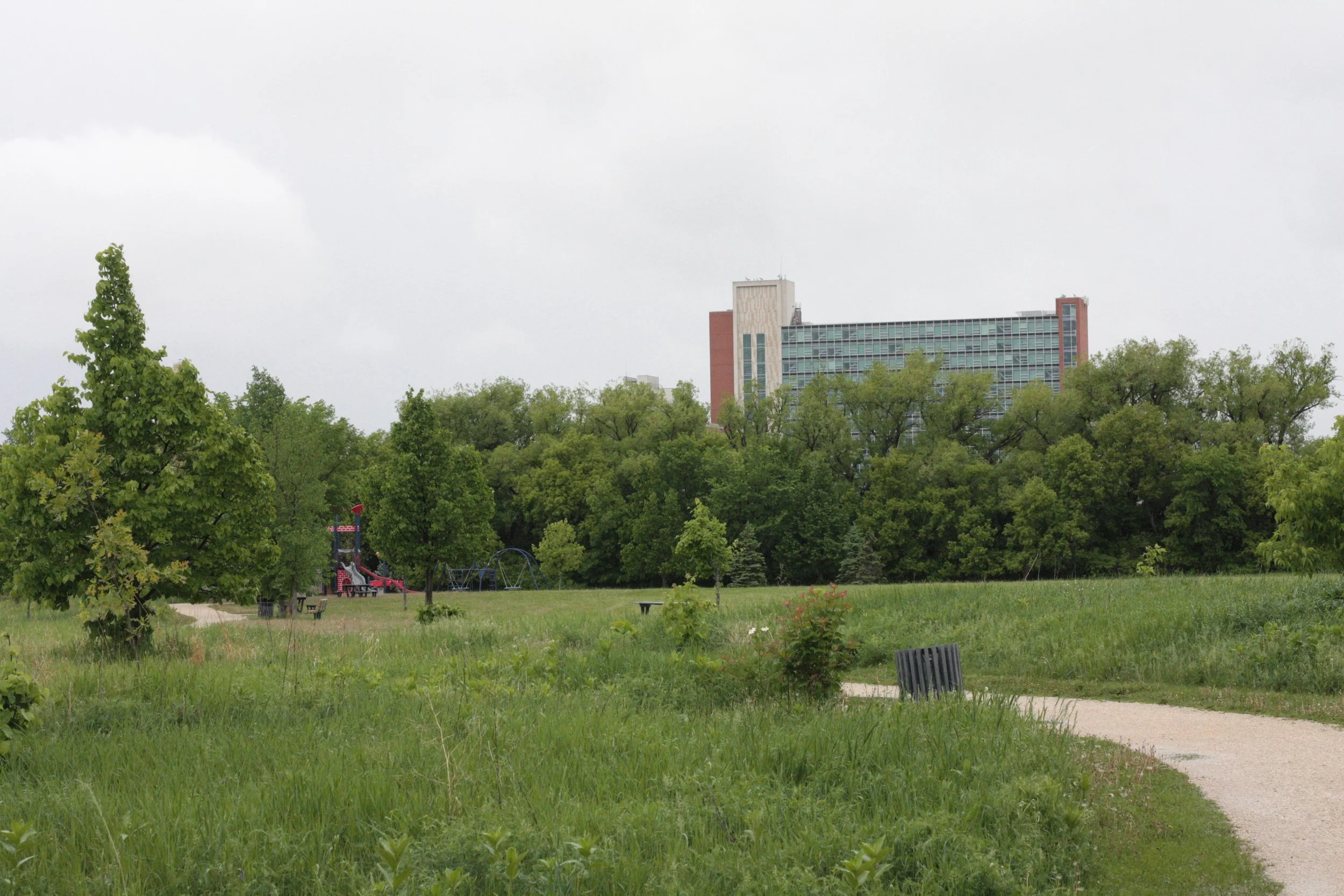
Everything is very green
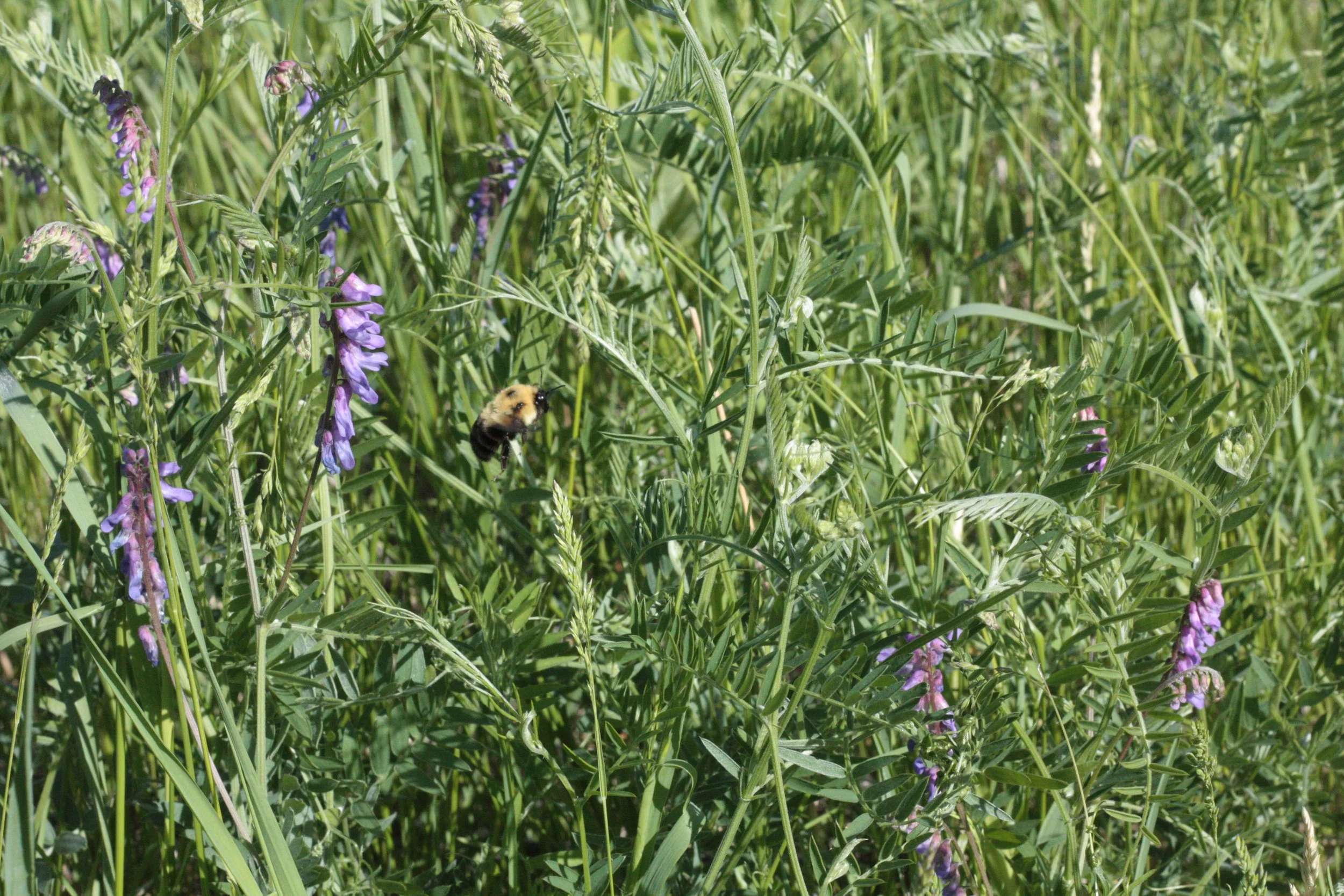
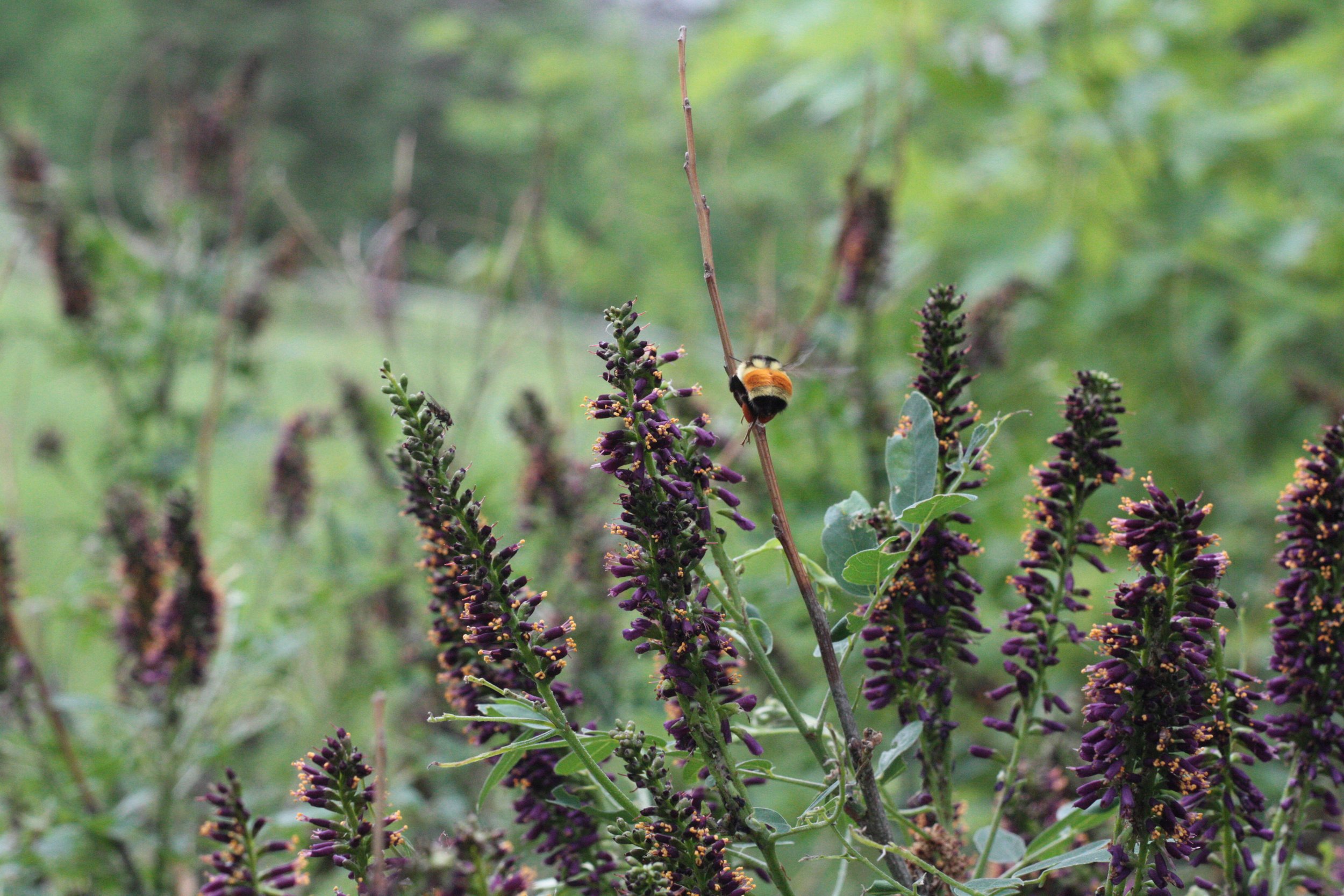
Bees are at work
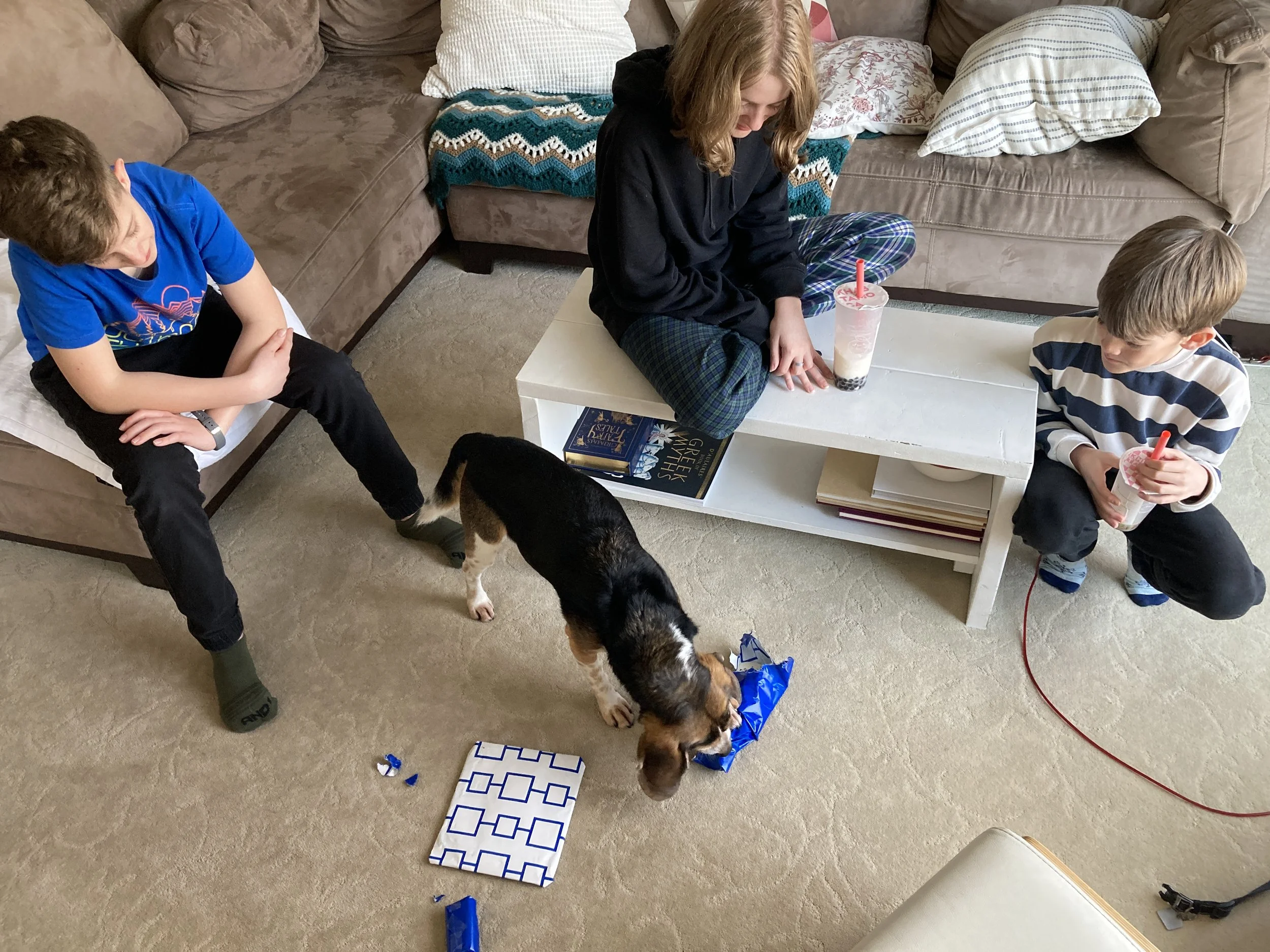
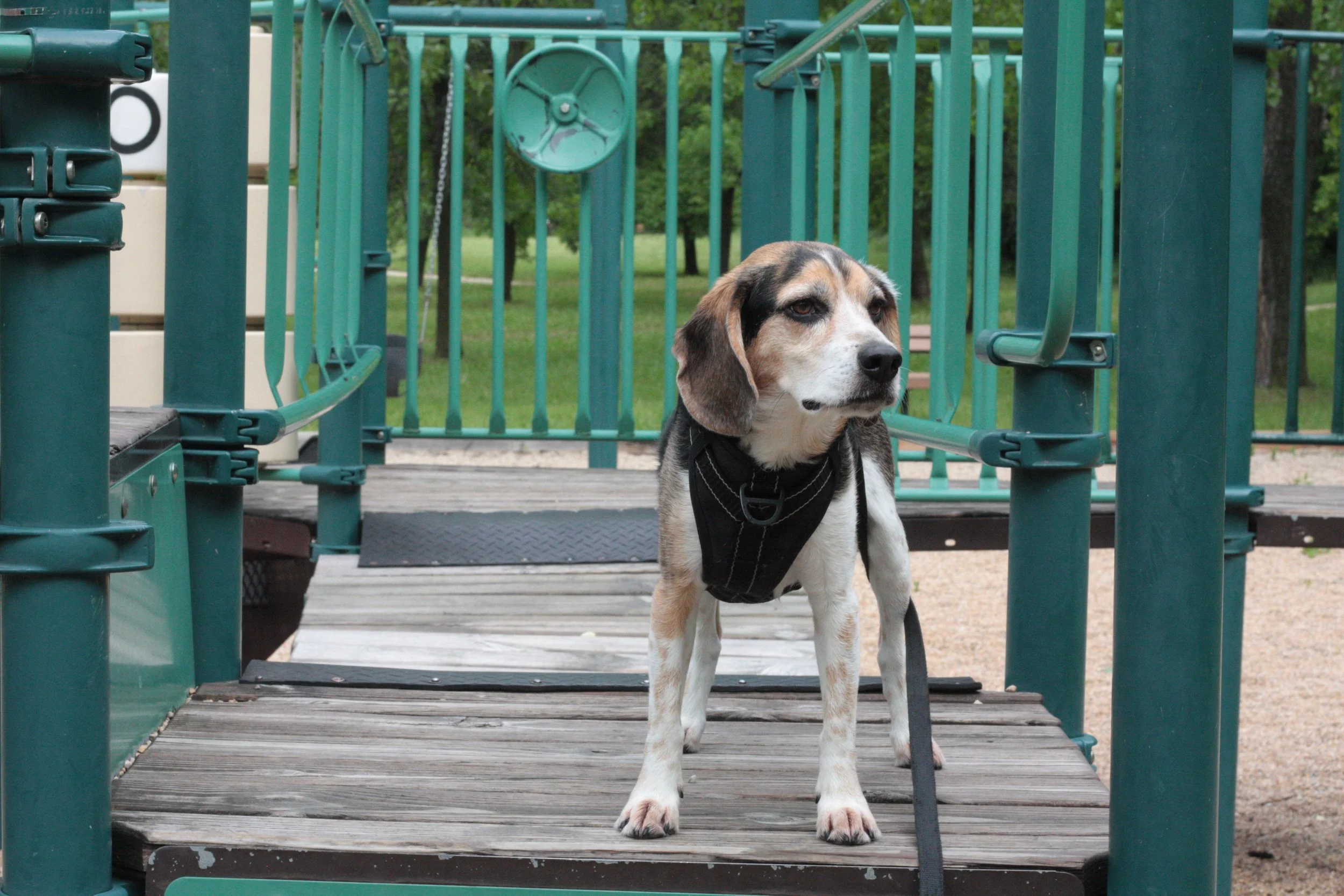
And Enzo can barely stay still.
Happy Sunday!