A week on Sunday 19/52

Intro

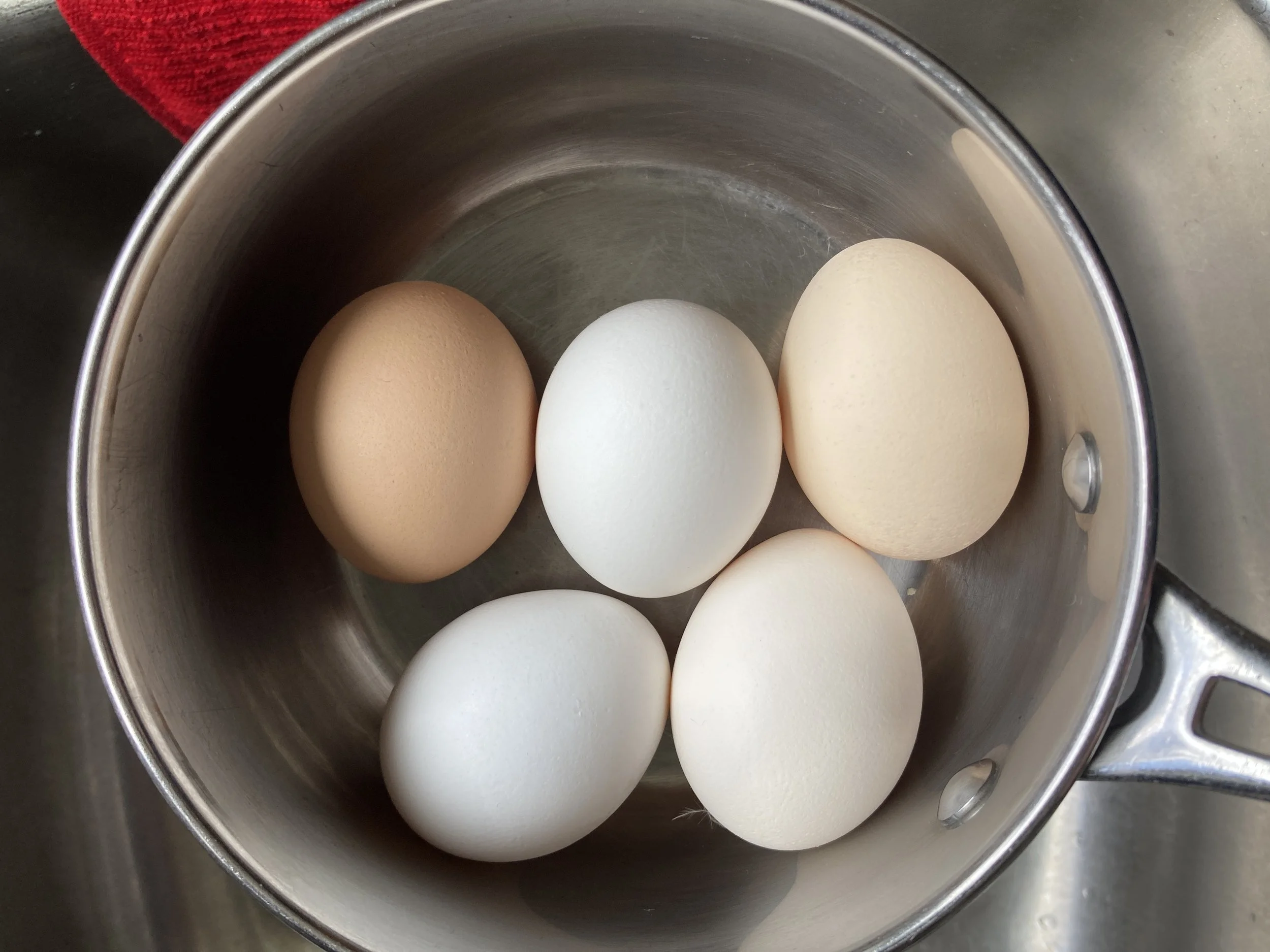
There are weeks that feel bloggier… weeks that I take more pictures, eventful weeks, or weeks where my reading and listening had themes that converged. This wasn’t one of those weeks. I wrote, ran errands, failed a cookie recipe, and set up starter. My husband’s colleague’s chickens have begun laying eggs, and the shades of beige have been nice to see again!
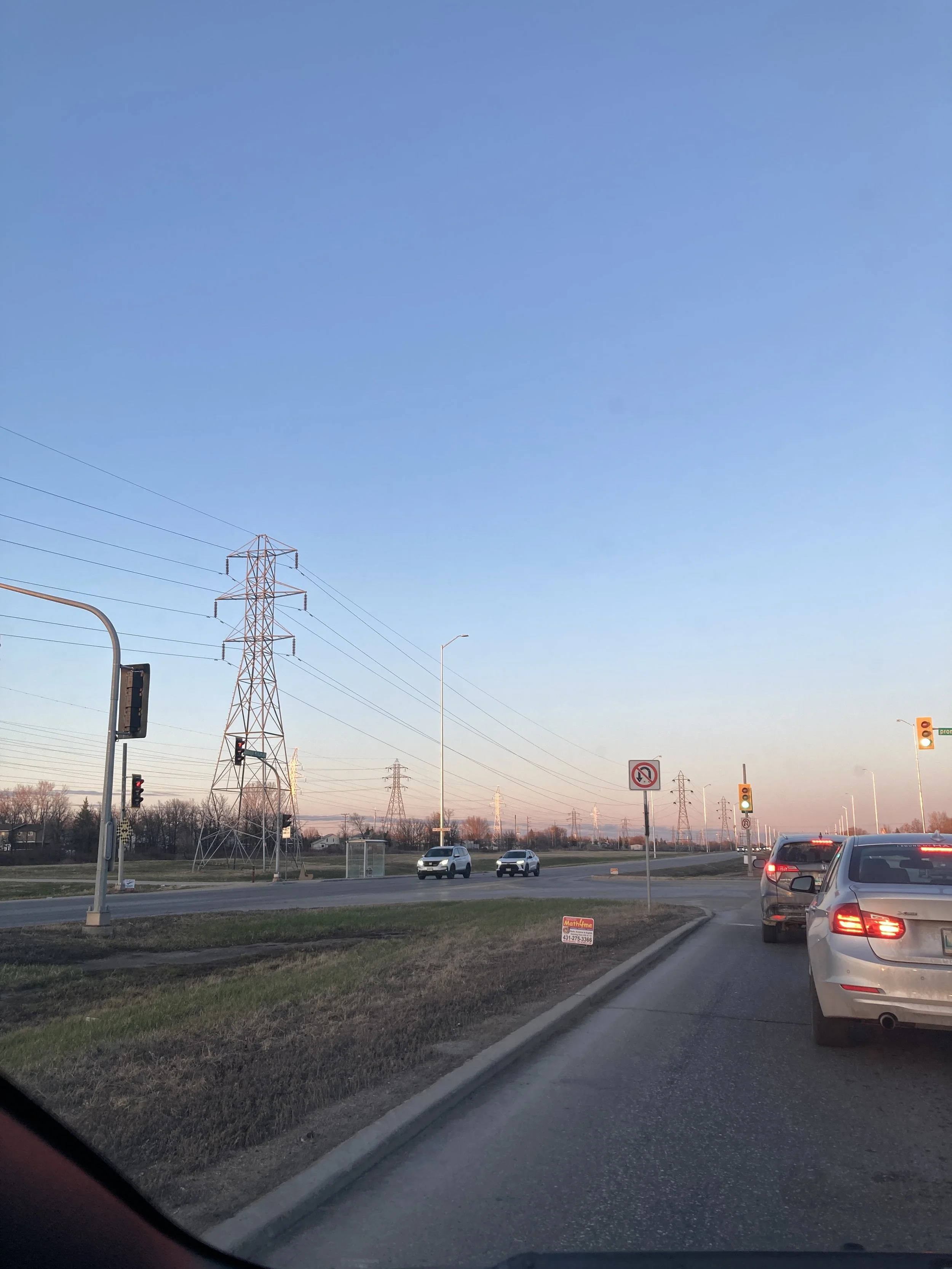
The cold is holding on, but the evening skies glow like in summer… I like how the transmission towers and street lights reflect light from the setting sun…
Swimming - Part 3

(Part 1 here, part 2 here).

“Where your fear is, there is your task.” So says Carl Jung as perfect encouragement for continuing to throw myself into a pool. A bit of the excitement from early days has worn off now… Since last writing, I can swim with my arms and legs, but I still need a snorkel. I’m envious of the older women I see who swim purposefully and peacefully their laps, with fine nonchalance. I’m still afraid of drowning. It’s very much like Kaitlin Frehling describes… the hardest thing to do as an adult learner is to trust the water.   I’ve begun to think of my weekly pool visits as exposure therapy. The next challenge is rolling over in the water. (For example.) I think it’s very scary. 

Cooking

The easiest meal that makes everyone happy in this house is pasta with Marcella Hazan’s Tomato Sauce with Onion and Butter. It’s a nice break on the last day of the week, when you’re happy its the weekend and you’ve reached the end of your ambitious meal plan! What does this “ambitious” look like? Oh, not much really… We had Deb Perelman’s Crispy Lamb and Lentils on Sunday and it was a perfect meal!

Enjoying

  1. Last year I listened to this documentary on René Girard and felt a little depressed about his all-encompassing theory, and how widely it was accepted. It was a relief to read an essay this week by Joshua Landy, titled: “Deceit, Desire, and the Literature Professor: Why Girardians Exist.” It concludes:  “All in all, then: the Girardian theory is not true; it does not make us better readers; and it’s not an exaggeration of anything important”

  2. I liked Dwarkesh Patel’s podcast with Ada Palmer so much I reserved a copy of her book at the library. I brought it home but was too busy to get past the first few chapters before I was obliged to return it for other patrons who requested it. Still, the podcast was a really fun, enthusiasm-sparking listen!

  3. This documentary by Samuel-Goldwyn titled The Booksellers was briefly available for free on Youtube and it was a fascinating look into the lives of book collectors… (Another channel has a copy here.) I especially liked the part where some booksellers reflected on the historical aspect of their work: 

    “A good bookseller is another kind of discoverer, historiographer, and thinker-of-history… […] They also provide a really important context. That’s why when you acquire things, you generally keep the descriptions they gave because sometimes you see a box - it doesn’t tell you that history that they understand and have done work to understand.” (at 47 minutes) 

Walking the Dog

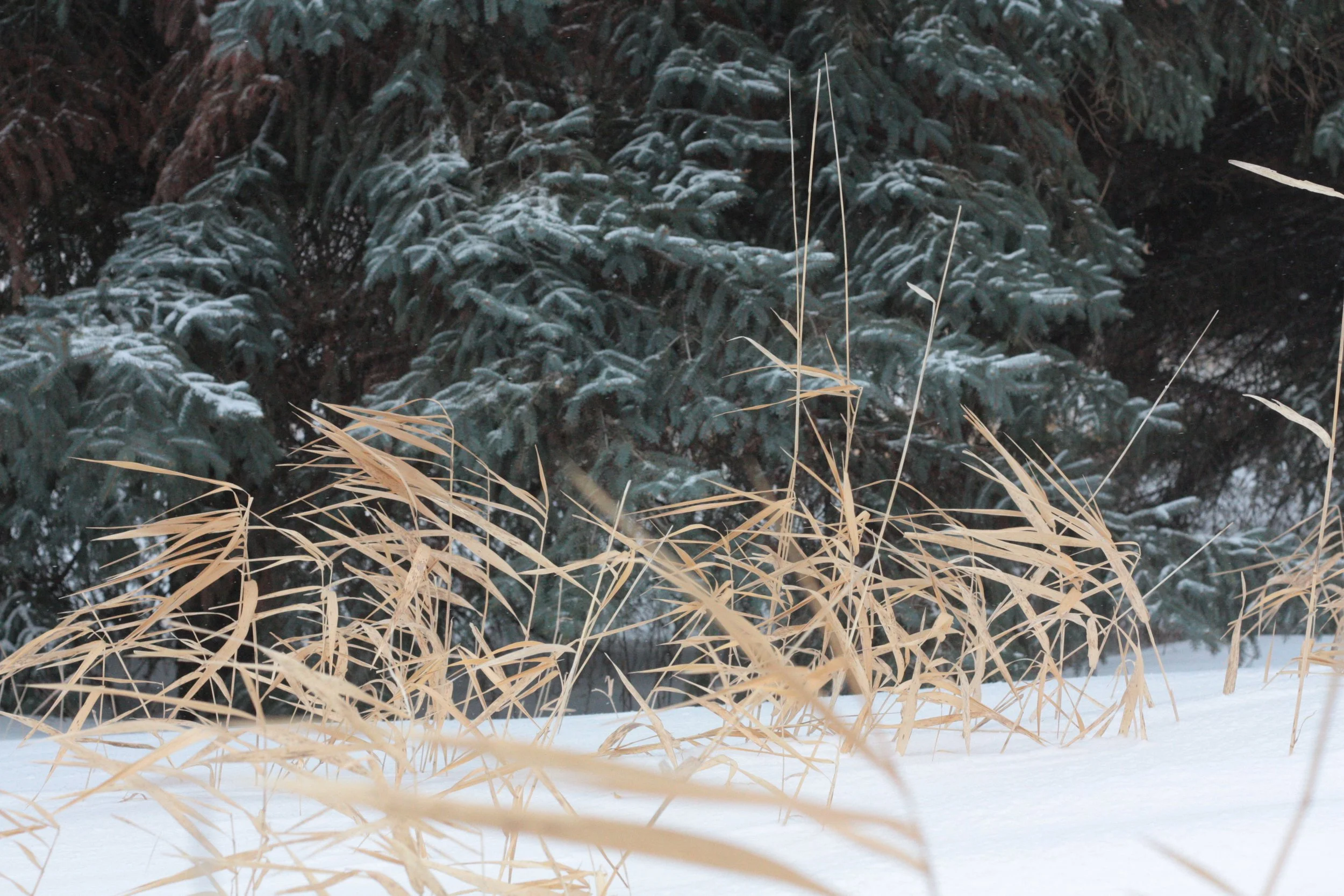
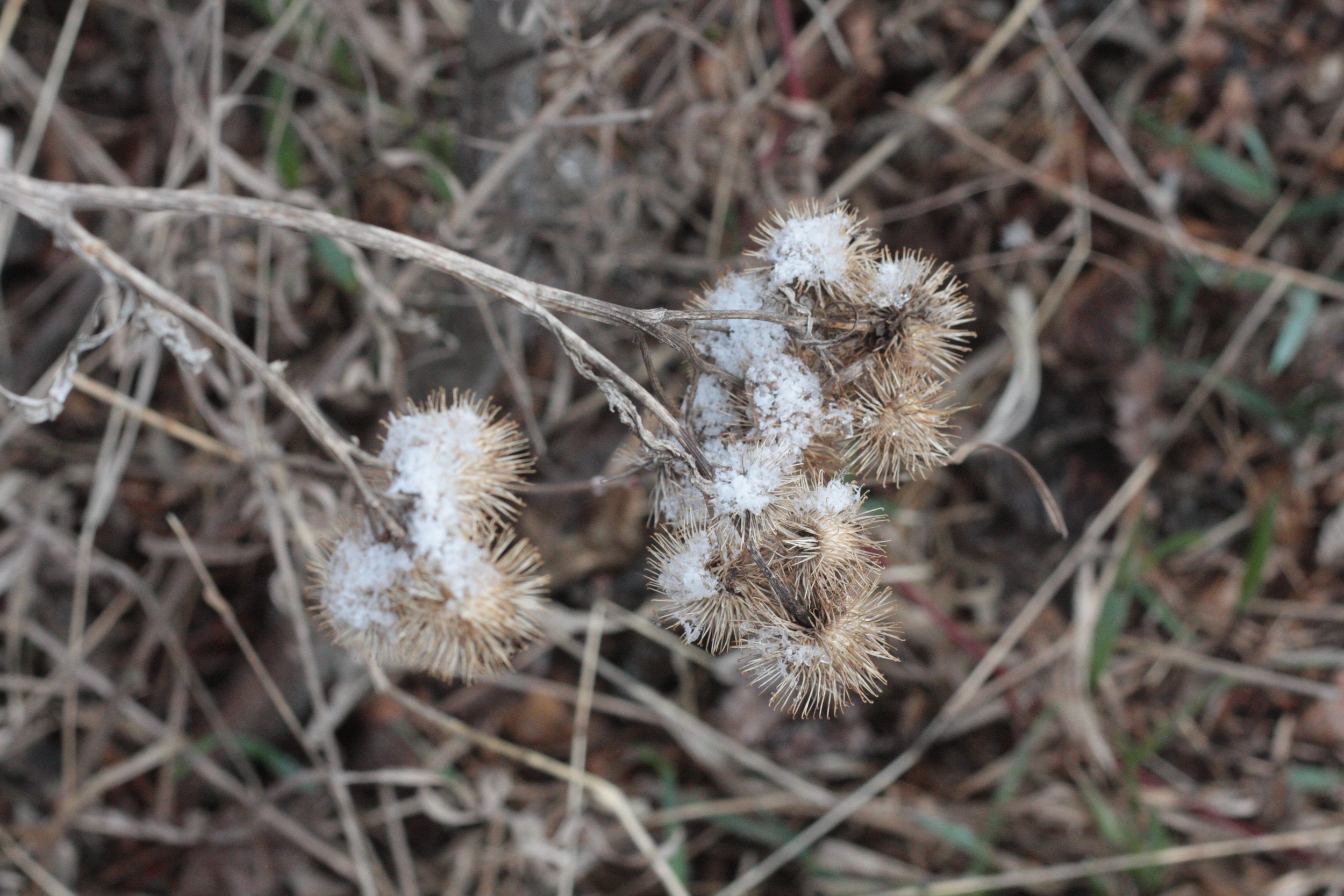
Some snow…
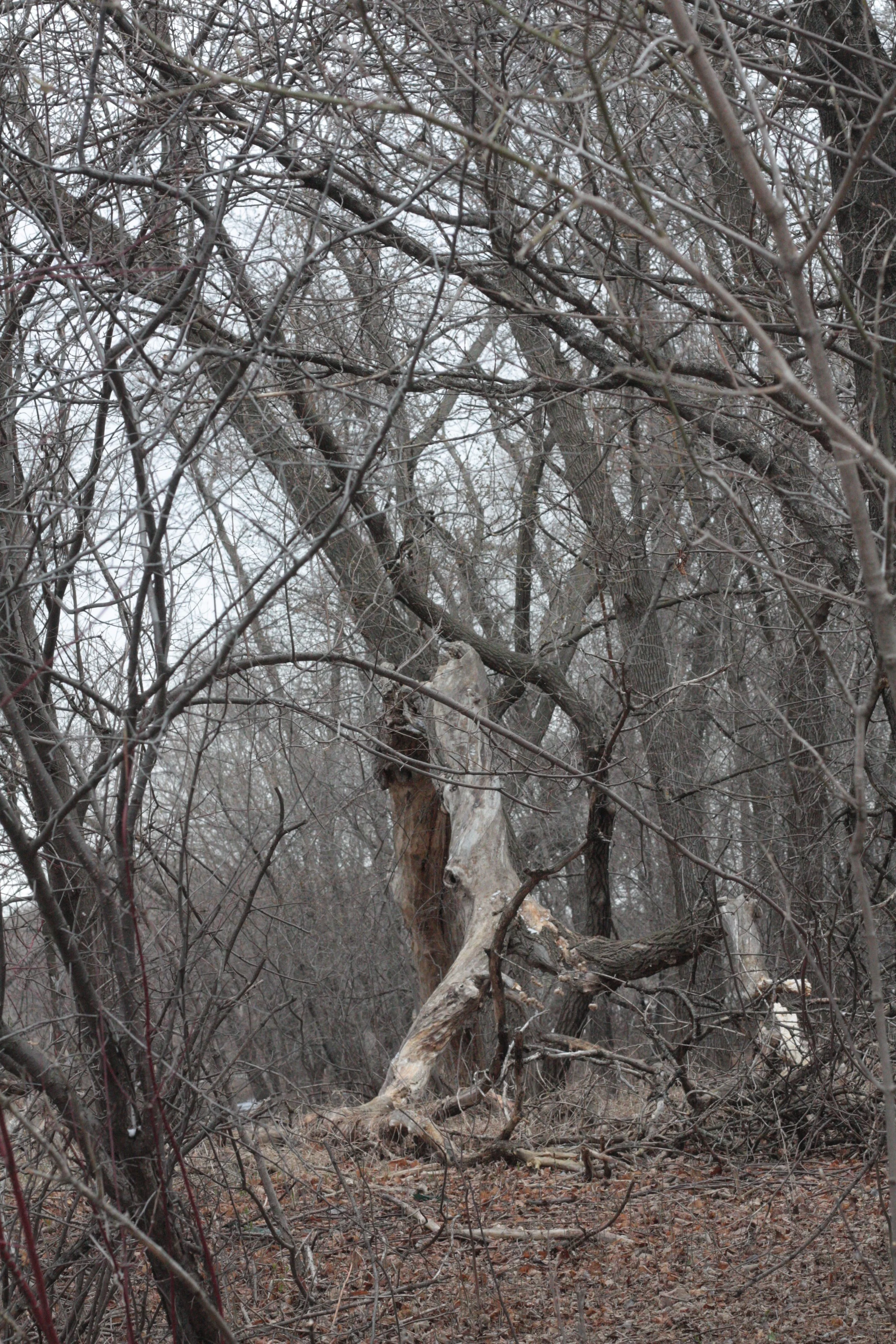
Some phantom-like fallen tree
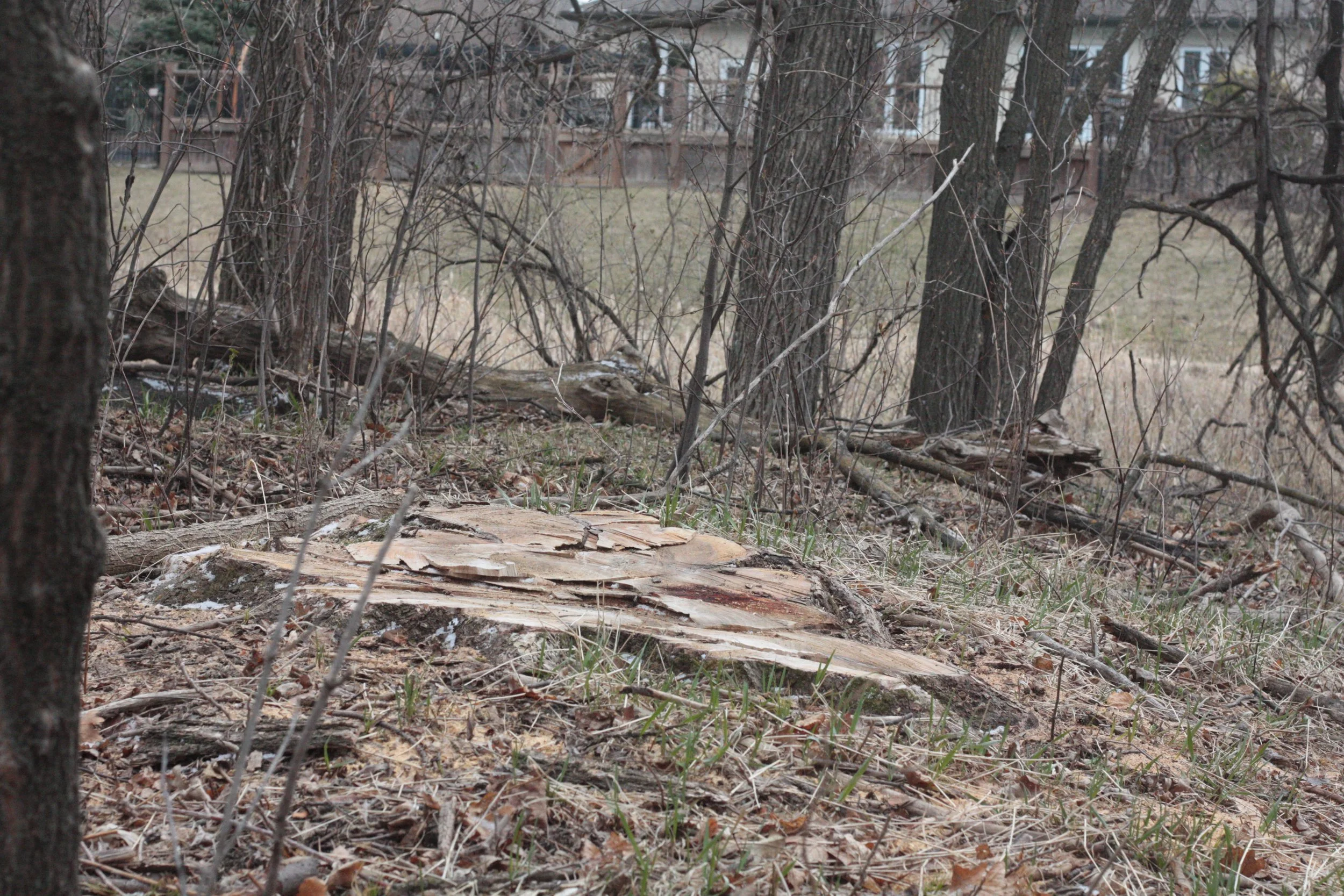
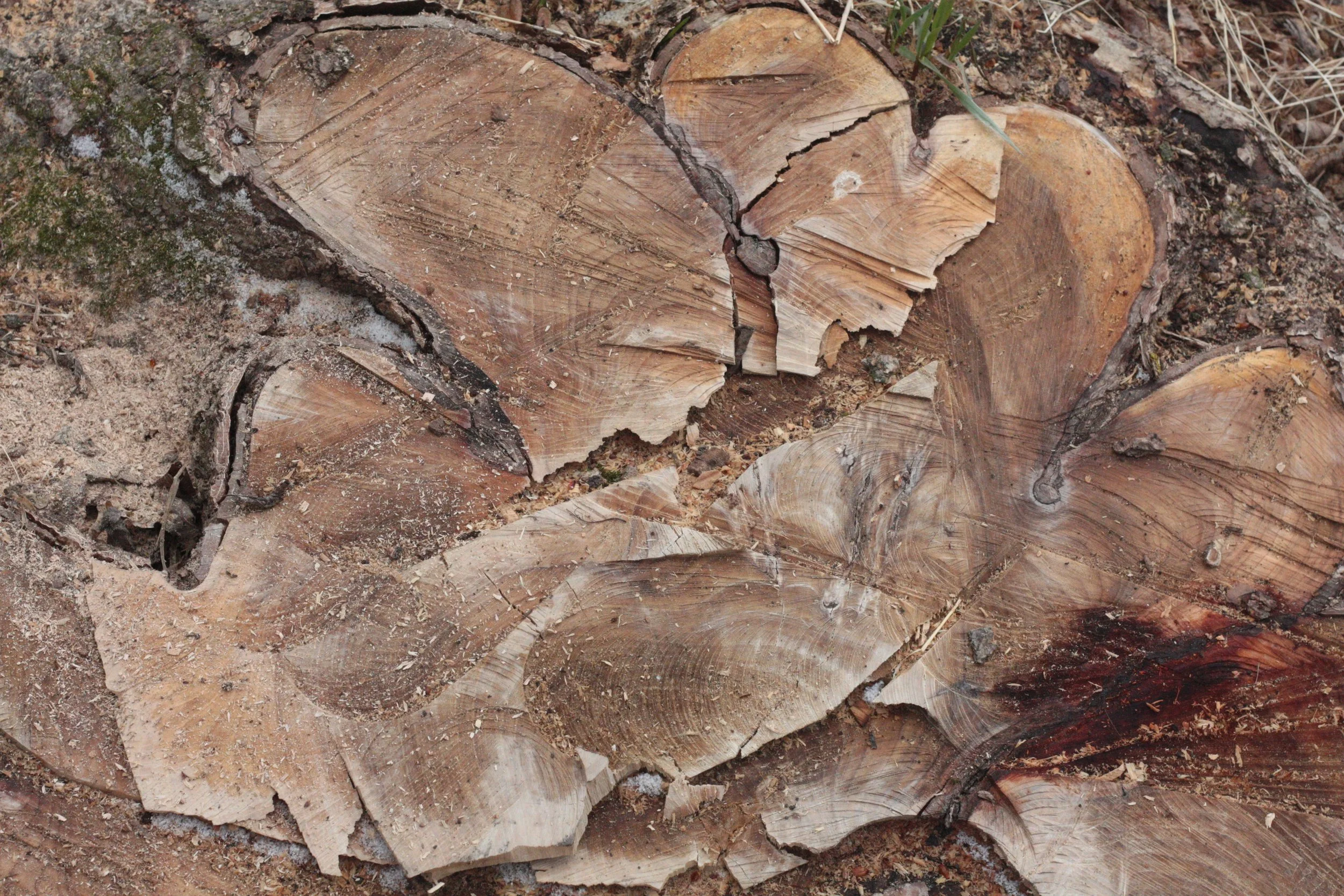
The impressive stump of a tree cut down earlier this winter.
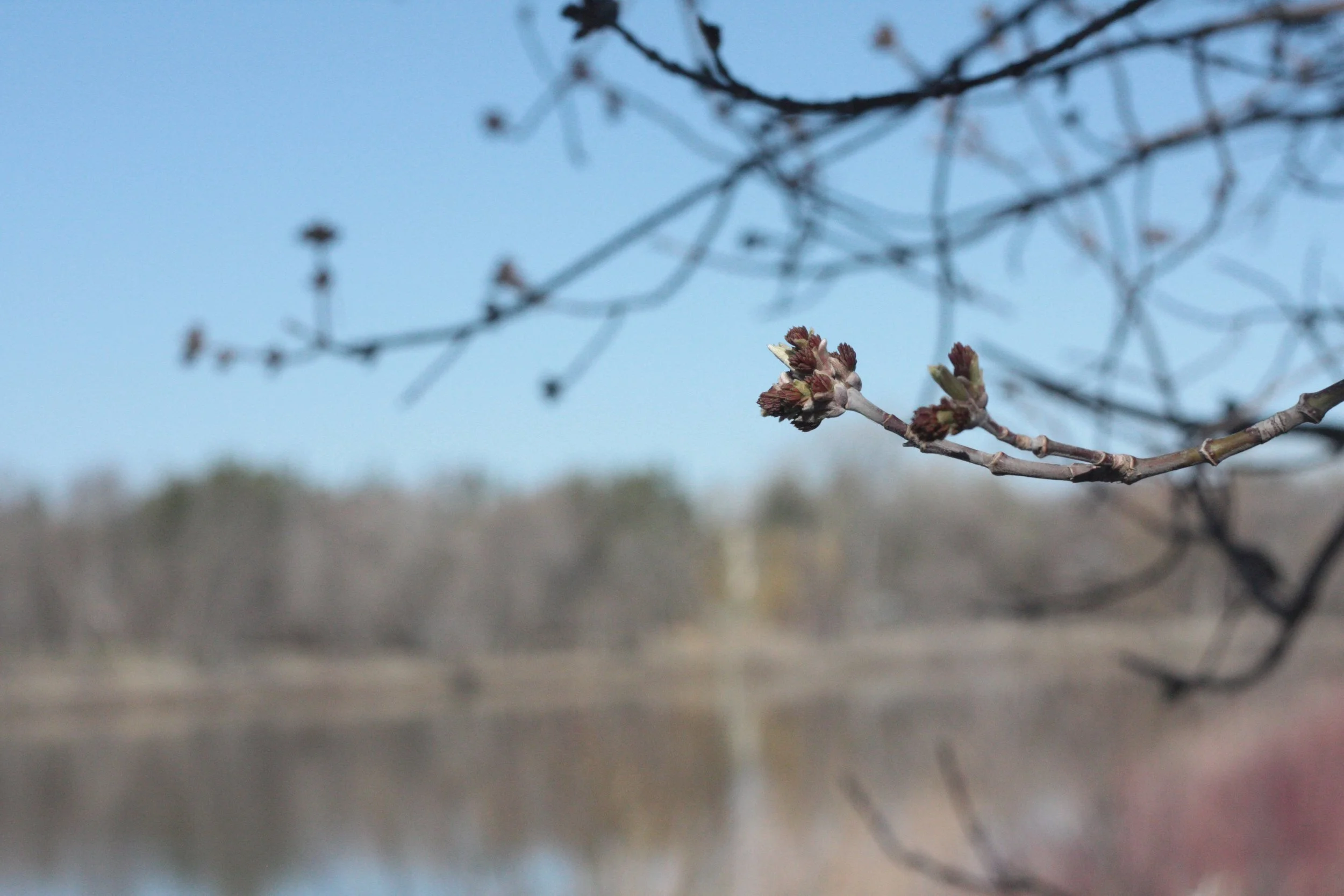
And spring tentatively pushing through…
Happy Sunday! 
A week on Sunday 9/52

History

This week I finished reading Gordon S. Wood’s collection of essays titled The Purpose of the Past: Reflections on the Uses of History. Containing 21 reviews of books on the subject of American history, Wood makes observations about the way an author treats a historical subject, and it’s the observations that I appreciate. For example: 

Since we can never completely escape, even imaginatively, from our present, some degree of anachronism is inevitable in all history writing. But any good historian needs constantly to worry about the problem of injecting his or her contemporary consciousness back into the past. (p 39)

History is not a science; it is an art. History needs writers, or artists, who can communicate the past to readers […]. (p 63)

It's the differences, the discrepancies through time, however slight, however marginal, that intrigue and interest them, for cumulatively they tell us how that different, distant past world evolved into our own. (p 82)

It is the historian's responsibility to analyze and evaluate all these different views and narrations and then arrive at as full and as objective an explanation and narration of the events as possible. (p 106)

History writing is creative, and it surely requires imagination, but it is an imagination of a particular sort, sensitive to the differentness of the past and constrained and constricted by the documentary record. (p 107)

[…] historians seek to study past events not to make transhistorical generalizations about human behavior but to understand those events as they actually were, in all their peculiar contexts and circumstances. (p 271)

In my opinion, not everyone who writes about the past is a historian. (p 276)

It is a truism that history writing tends to reflect the times in which it is written. All history is "contemporary history," wrote the Italian historian Benedetto Croce, by which he meant that history is seen mainly through the eyes of the present and in relation to its problems. (p 293)

(I’ve previously quoted Gordon S. Wood from the same book, but on the subject of ideas here.)

And other things

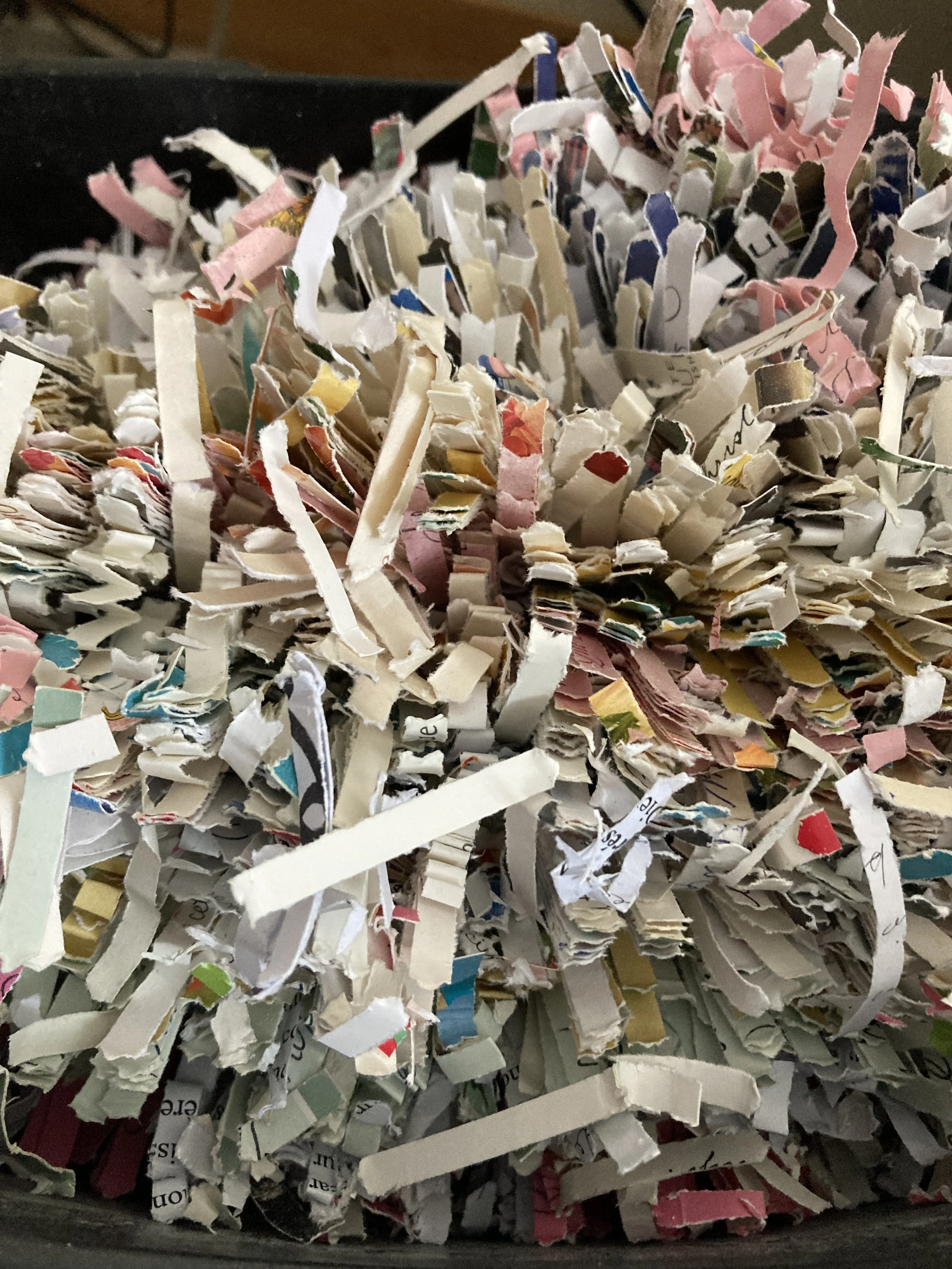
All that being said about history, I was busy away from the computer most hours this week… Having received my diploma by mail, the symbol is one among a few others marking a season of transition and I’ve been sorting through piles and clearing out neglected spaces. At one point, as I was about to empty the shredder, I was struck by the prettiness of what had accumulated inside.

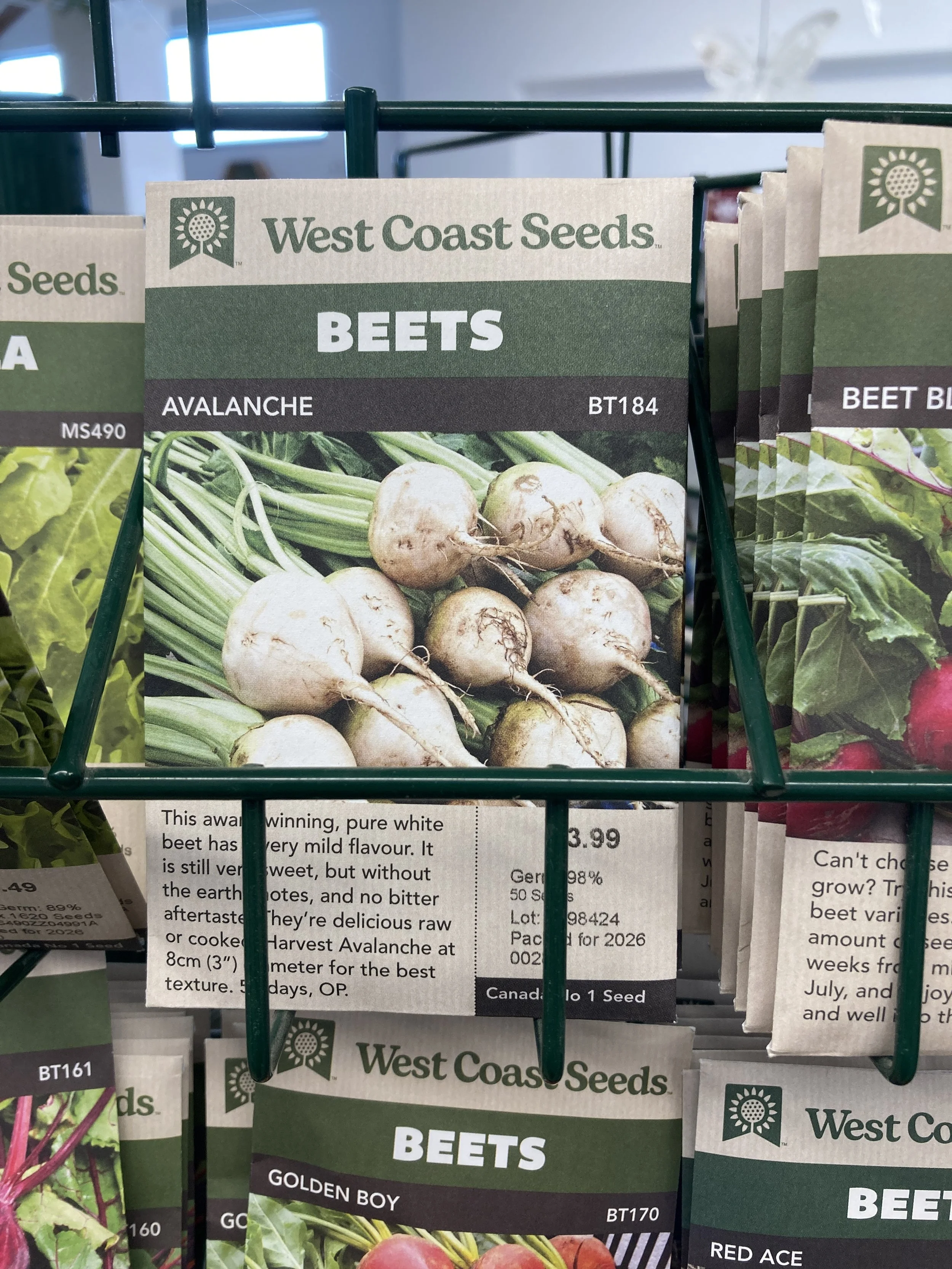
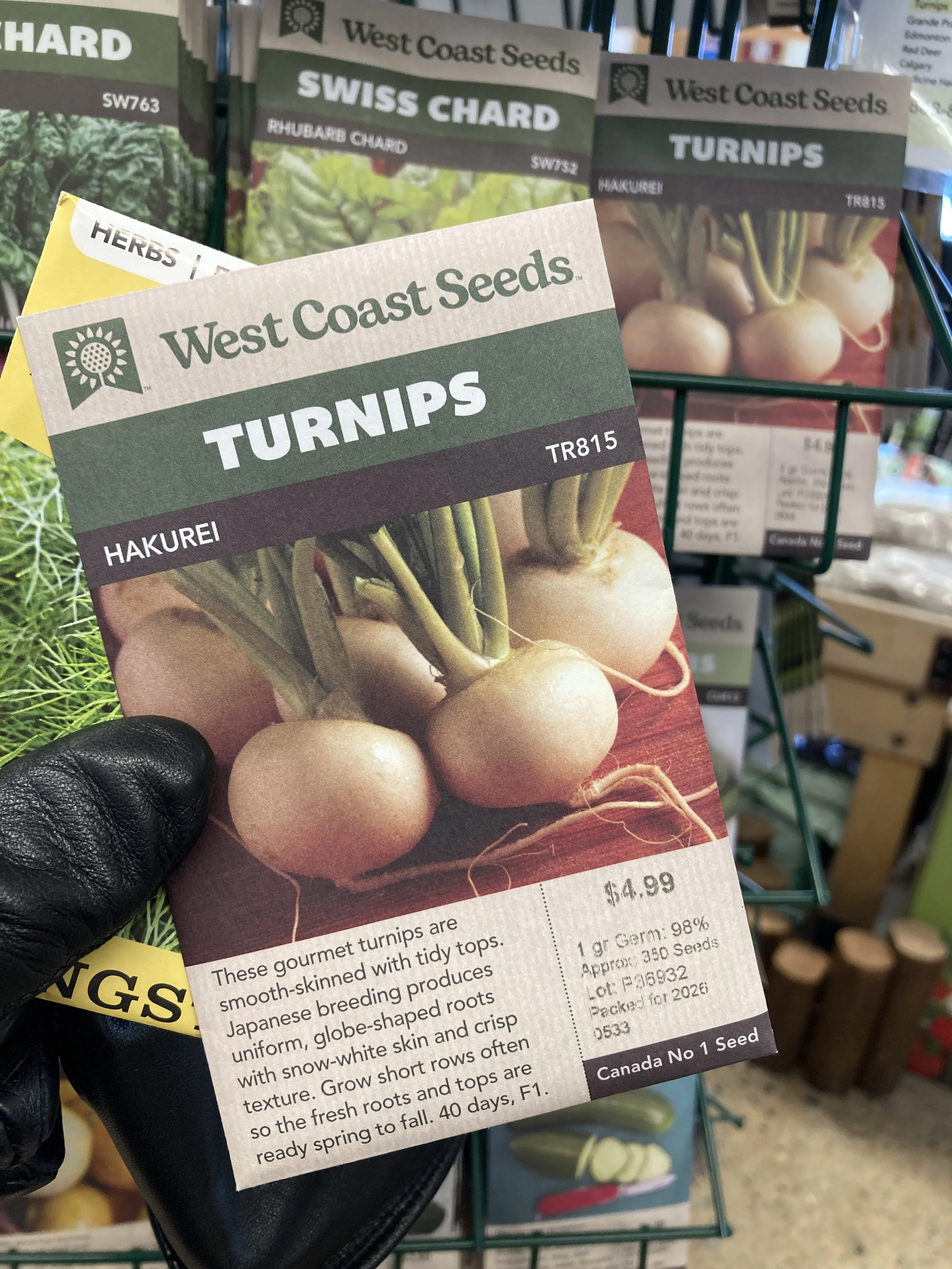
A friend told me that there is such a thing as white beets, and that she plants them in her garden. I went to see for myself… Being unable to make that leap (beet colour feels fundamental to beets…), I instead chose Hakurei turnips, delighted that the Lacoste greenhouse carries them. Amy Thielen writes about them in her cookbook Company describing them: “as round as golf balls, these […] turnips […] are juicy, almost fruity-tasting.” I really look forward to trying them! 

Eating

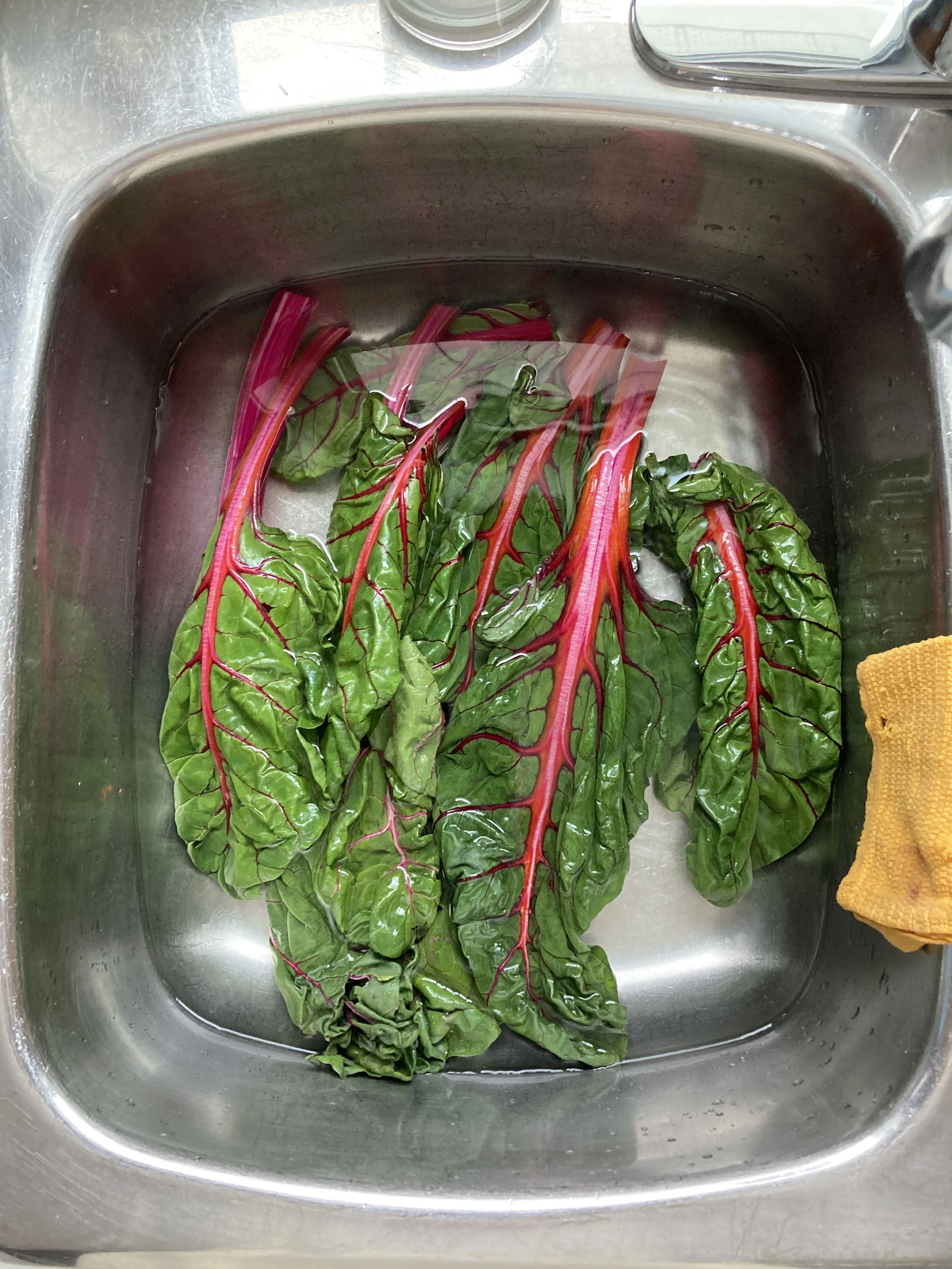
Isn’t this fresh-year-round Swiss chard pretty? 

This time last year, I made the same Pancetta, White Bean and Swiss Chard Pot Pies.

The novelty this week was serving breaded broccoli, based on a recipe from Mark Bittman’s How to Cook Everything. His is fried, not baked. Served alongside General Tso’s Tofu and a pile of lightly flavoured rice, it was a hearty vegetarian meal.

Considerably less effort was Friday night’s Tomato Sauce with Butter and rigatoni with a salty kale salad as a complement.

Baking

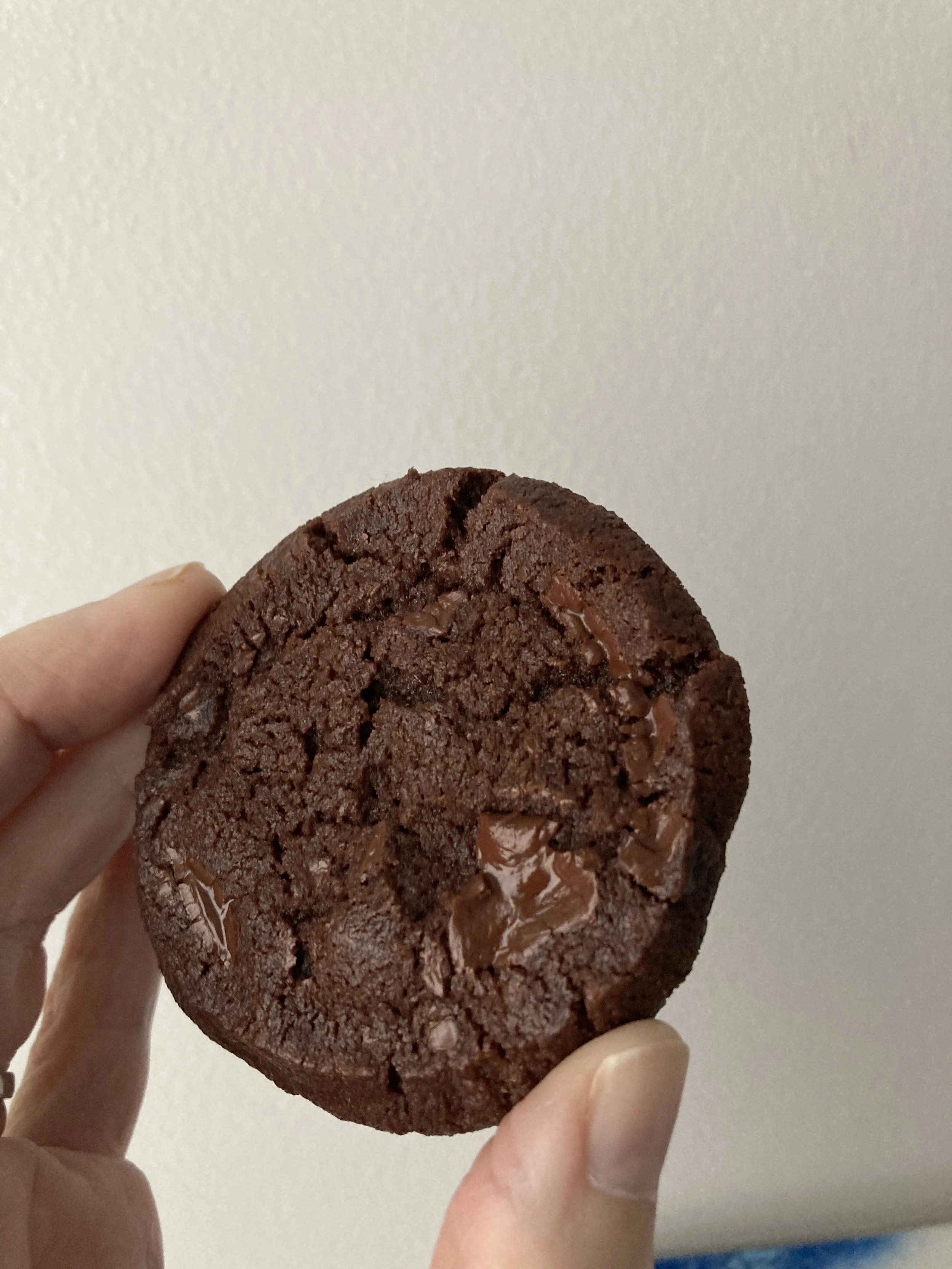
I recently made Dorie Greenspan’s World Peace Cookies which turned out like so:

I also made Sarah Fennel’s Cinnamon Roll Cookies (sans cream cheese) and they were so well appreciated, so soon disappeared, that I didn’t have a chance to take a picture as proof. The recipe can be found here.  

Enjoying

  1. I like how Orla Stevens, a painter in Scotland, generously shares her reflections on her eponymous Youtube channel. In a recent video, one of her tips (at about the 19 minute mark) is “to not limit yourself. If you’re someone who also thrives off of variety, then allow different side quests to happen while you’re working on a series.” She, for example, likes to sew, and she made her own outfit for an exhibition of her series of paintings. “Giving myself permission to do that made me way more excited to come back to painting. So I think it can be a really good thing to have that variety in our lives.” I can apply this advice to research and writing (like her series of paintings) in contrast with the cooking, baking, and side hobbies (akin to her sewing), and make peace with the fact that indeed, I do like variety.

  2. A quote! As I was clearing out stacks of old notes, I found this on a post-it: “The force of character is cumulative. All the foregone [i.e. past] days of virtue work their health into this.” - Ralph Waldo Emerson. It is from the tenth paragraph in an essay of his titled “Self-Reliance.” I tired of reading the essay, but Claude gave me a good summary.

  3. On a recent podcast episode of How To Be A Better Human, guest Courtney Martin said this thing I liked: “Because if we only show how bad that leadership is or how corrupt, and we don’t say, ‘look at this other leader who’s doing it this way,’ or ‘look at this other organization’ or ‘look at the state that has figured our this thing,’ then that’s actually holding power accountable because you show that it is possible.” I also really liked this essay of hers from her newsletter “The Examined Life,” titled “It takes a village to love an elder.”

  4. I really like the style of Carol Nazatto’s collages… here and here. They feel so considered and imaginative.    

Postcard

Twice this week, Enzo and I spotted a coyote not far from us, but Enzo howls so much, it would be impossible to take a picture. Instead… a little colour contrast… Nature is endlessly inspiring!

Happy Sunday!

A Week on Sunday (no. 41)

Reading

Contrast can serve to highlight appreciation for something and this was the case when I was reading Bonnie Tsui’s book On Muscle, and also reading a short story collection by Tatyana Tolstaya. In “Serafin” Tolstaya writes from the character’s point of view of disdain for humanity: “Fat is nauseating muck. The whole world of flesh - is fat. Fatty, sticky children, fatty old ladies, fatty redheaded Magda.” (p 48) But Tsui, focusing on muscle, delves into its various intricacies with an infectious appreciation. Here is a collection of quotes from the book that I liked:

Being a writer as well as a lifelong athlete, I can’t help but notice how language is telling. Muscle means so much more than the physical thing itself. We’re told we need different metaphorical muscles for everything: to study, to socialize, to compete, to be compassionate. And we’ve got to exercise those muscles - putting them to use, involving them in a regular practice - for them to work properly and dependably. (p 4)

The way you build muscle is by breaking yourself down. Muscle fibres sustain damage through strain and stress, then repair themselves by activating special stem cells that fuse to the finer to increase size and mass. You get stronger by surviving each series of little breakdowns, allowing for regeneration, rejuvenation, regrowth. (p 5)

In big ways and small, life is a movement-based relationship with everything around us. Muscles make my fingers fly across these keys, knit my brow in concentration, correct my seated posture, shift my gaze to the window, square my shoulders, tap out the rest of this sentence. So much has become virtual, and yet my body still very physically influences my thoughts even as it conveys them to you. Your own muscles allow your eyes to take this in, to blink thoughtfully and tuck your chin in hand and tilt your head in consideration. We haven’t said a word, but our bodies are talking to each other - even through the page (…). (p 12)

Exerting our influence on the world: That’s the modern-day definition of a flex. (p 13)

Maybe that’s what makes some people uneasy: muscle as potential. And sometimes we don’t know our own power, until, finally, we are given the opportunity to discover it. (p 27)

For all its nobility, the pursuit of mightiness remains grounded in the body and all of its appetites. But the strength community’s insatiable curiosity about the human body is something I find surprisingly moving. To know one’s own strength: I’ve come to understand the meaning of these words not as a binary statement, an “I do” or an “I don’t,” but as an ongoing process of discovery. Muscles matter - they allow us, in an observable way, to see what we can do. Though you may not initially know what you’re capable of, you have vast reservoirs of potential, waiting to be tapped. For just the right moment to be revealed. (p 44)

(…) there is a process in place for human donor dissection, and with that process comes a reverence that helps you to understand the privilege of getting to look. Head, hands, and feet are wrapped before dissection. And at the end of every academic year, a special memorial is held (…). (p 52)

Interoception is your body’s ability to sense itself from inside. (p 142)

All these quotes show a respect for the human body that the character in Serafin does not want to see and both writers make their point with the deft use of language. Words can be so strong…

Cards

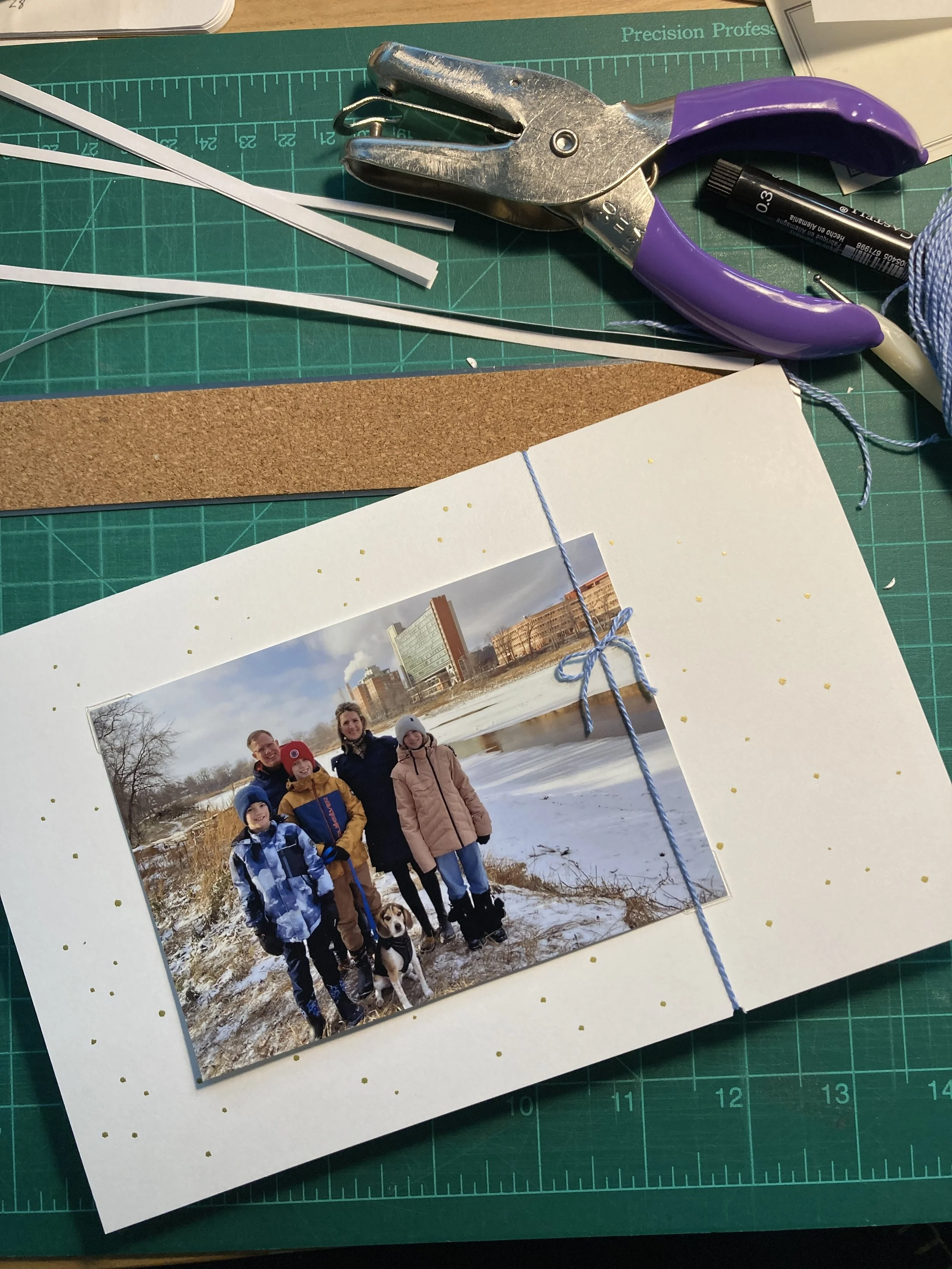
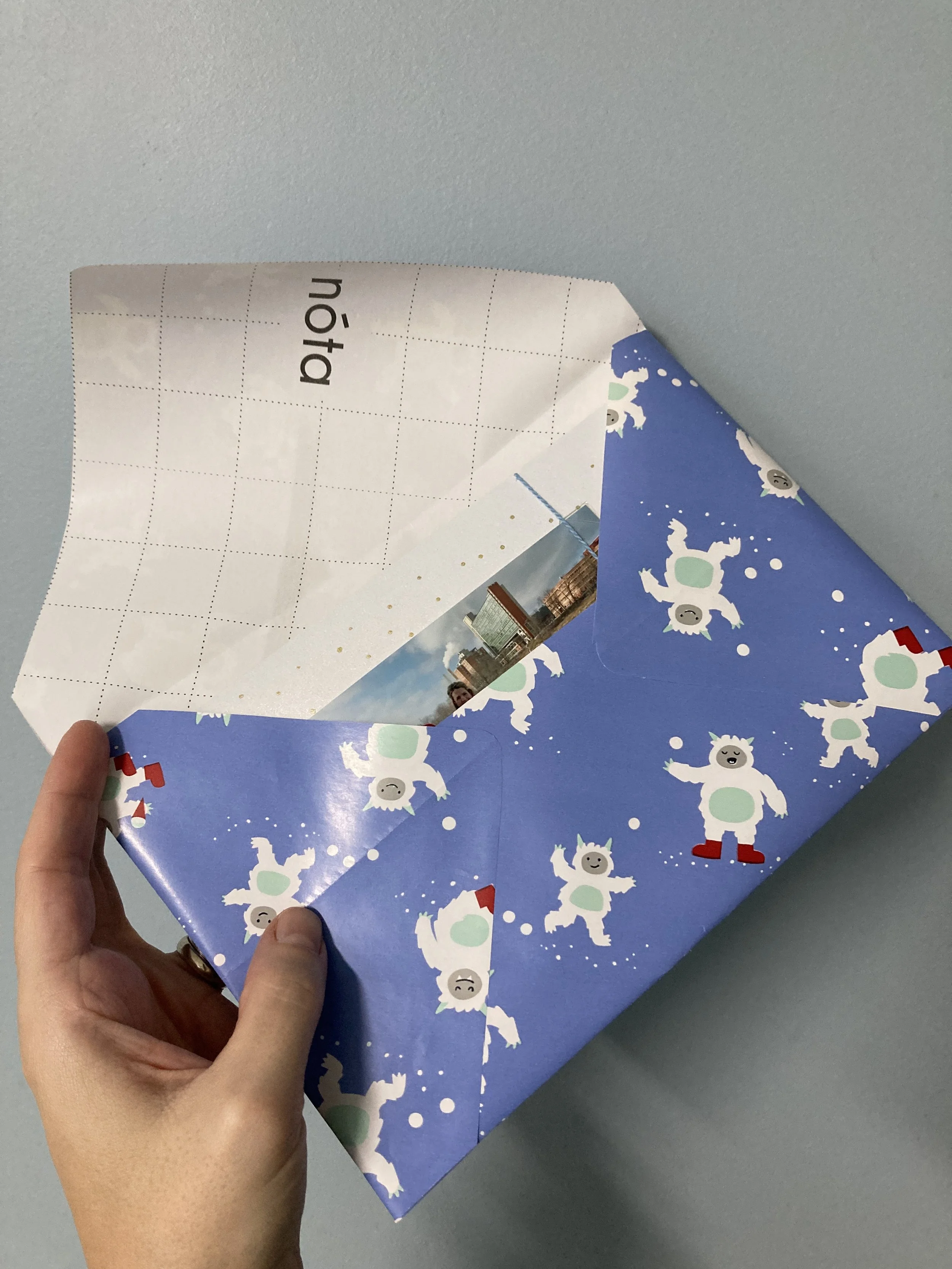
Cards are divisive. The postal service has only to go on strike for a debate to flare up dramatically in the news. Cards are important. Cards don’t matter… Cards take time. My grandma could dash off a stack of 80. Or was it 100? But cards are like everything else: cookies and food and Christmas trees…  home-made or store-bought or real or fake. There are hundreds of permutations for celebrating Christmas and just as many ways of dispersing one’s energy for this demanding season. And so with all that in mind, juggling our own list of pros and cons, I made this year’s Christmas cards by hand and cut the envelopes from old wrapping paper. (This envelope tutorial was perfect!) At a time when AI is spinning reality to ever greater heights of improbability, a return to basics felt reassuring and solid. (I think this is what B. Dylan Hollis is getting at in his appreciation of vintage cards here on Instagram.) 

Baking

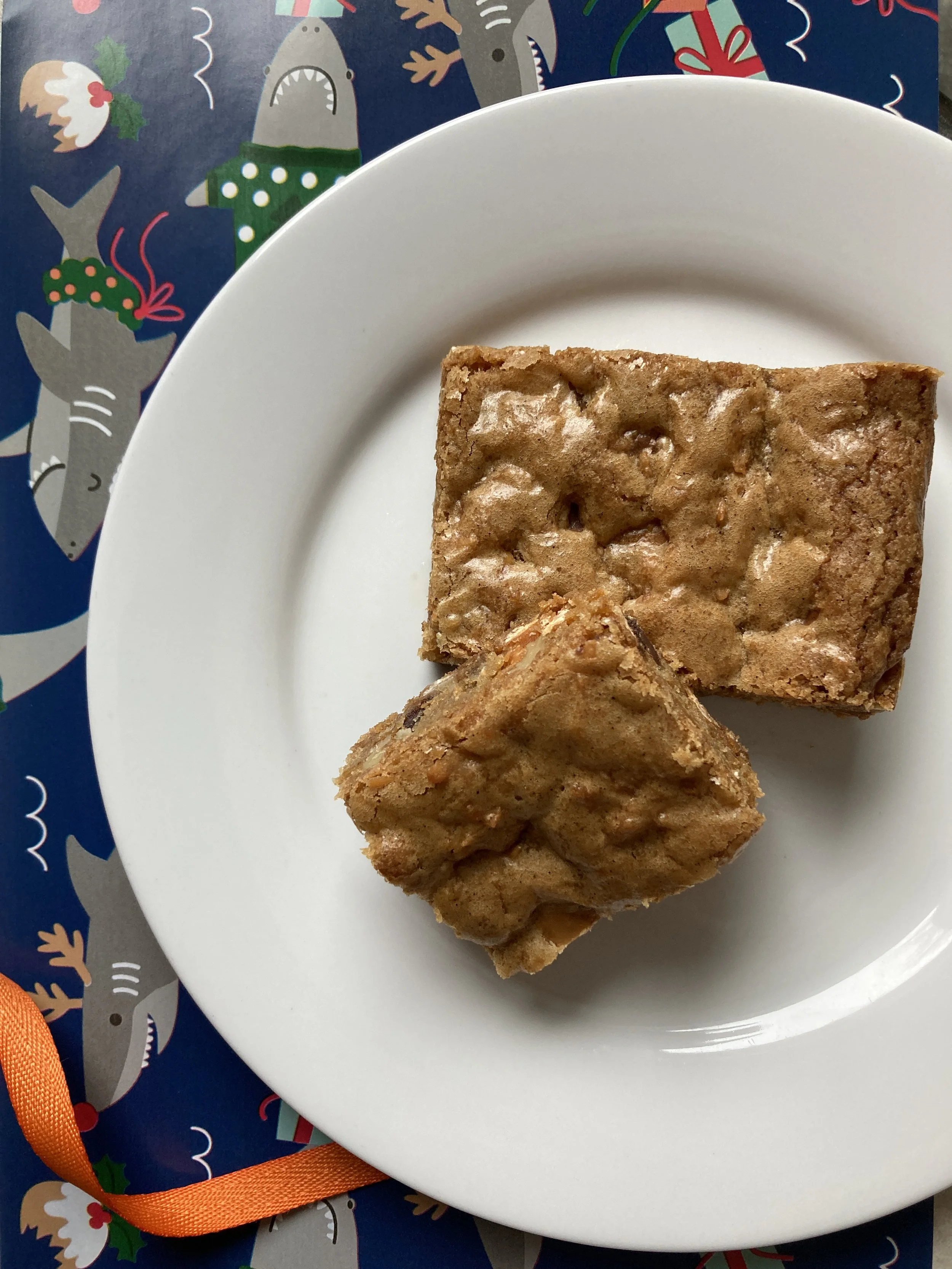
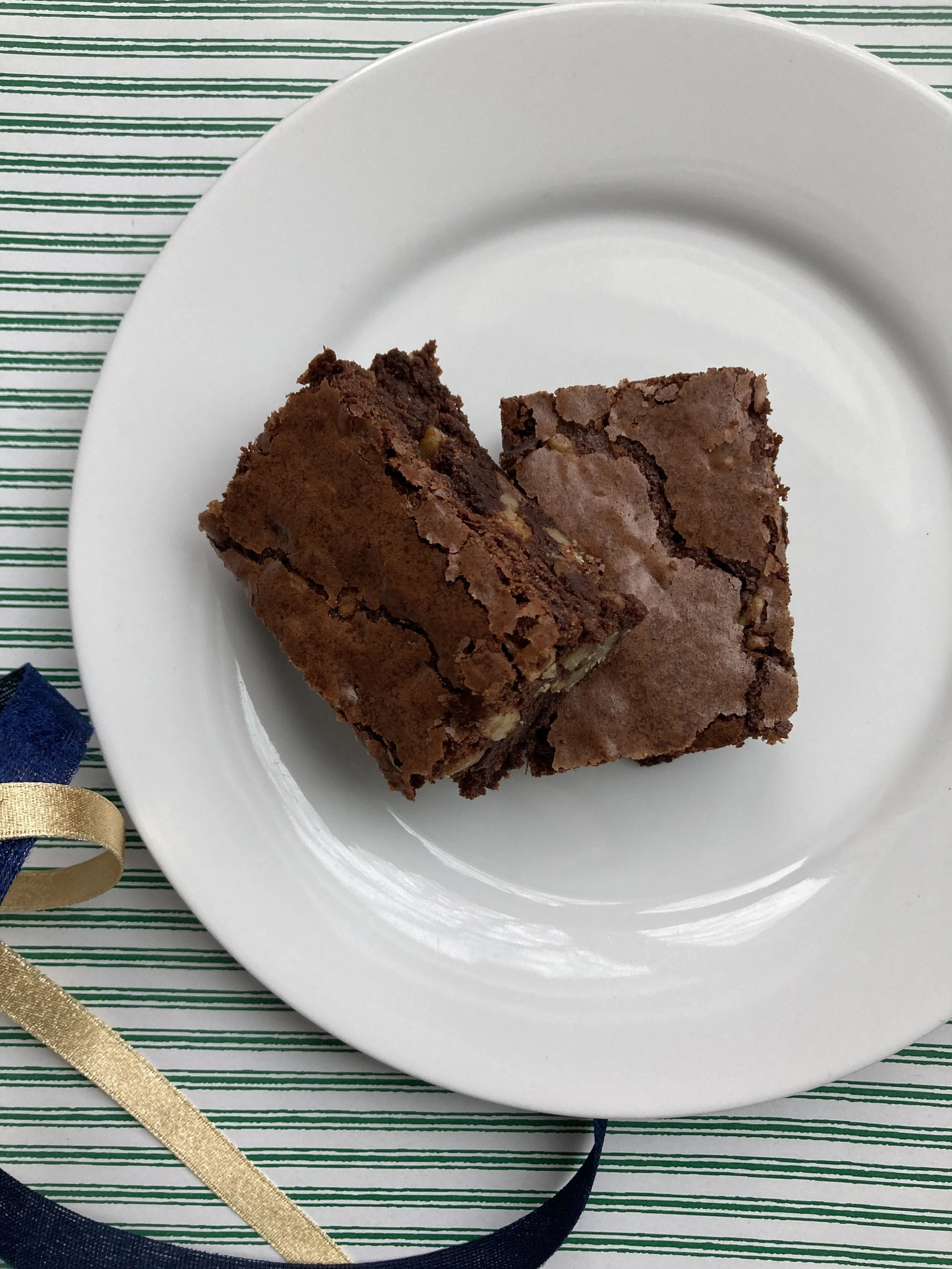
There’s a Nanaimo bar chilling in the fridge, but earlier this week, I tackled the start of this year’s baking with blondies and brownies…

Eating

Making things a little less demanding in the kitchen while I concentrate on cards and baking, are old favourites, like Jamie Oliver’s “Mini shell pasta with a creamy smoked-bacon and pea sauce.”

Postcards

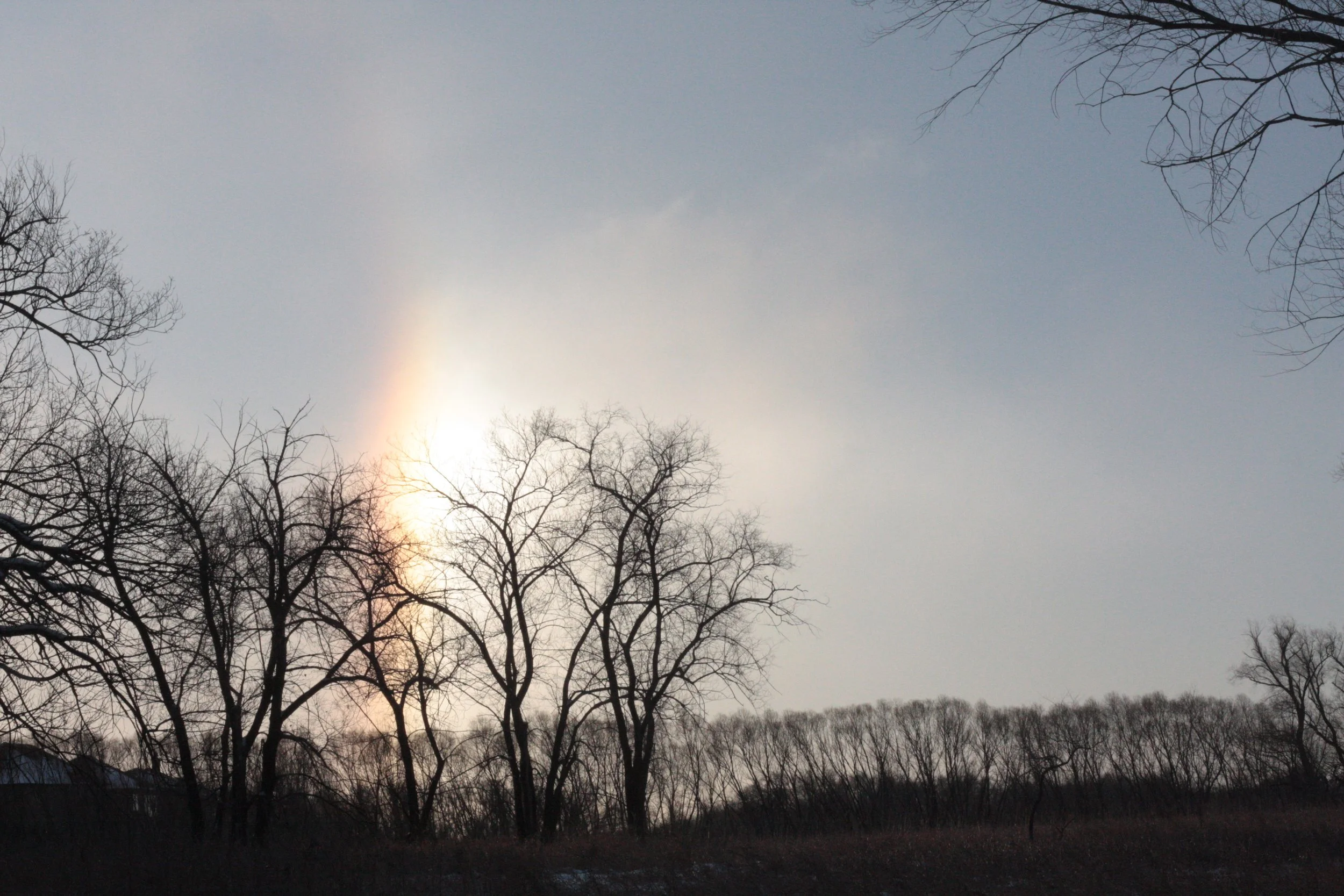
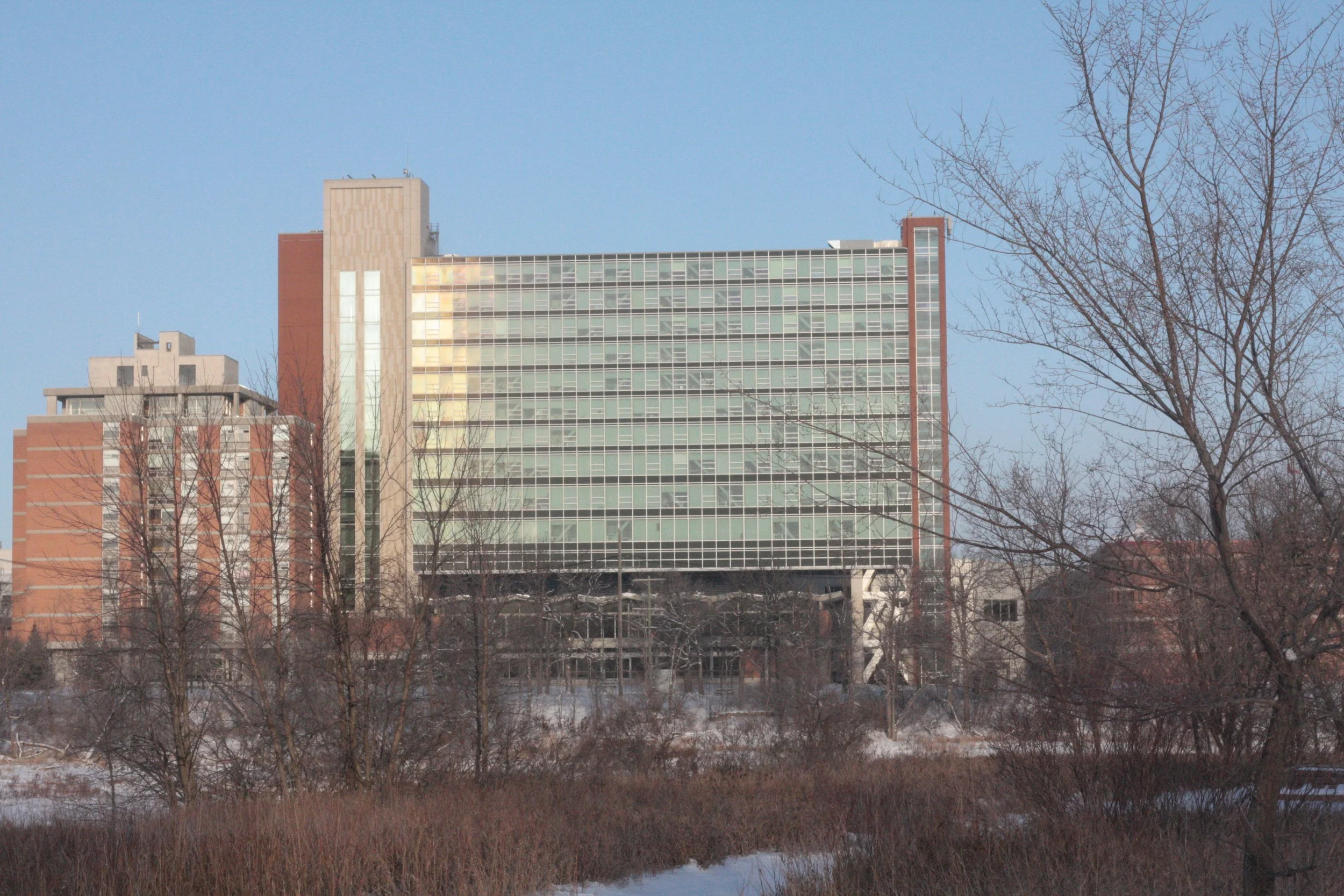
This week, there were two days featuring a sundog in the sky, and Friday’s was so big, it reflected itself on the windows of the U of M’s Pembina Hall student residence.

Happy Sunday!