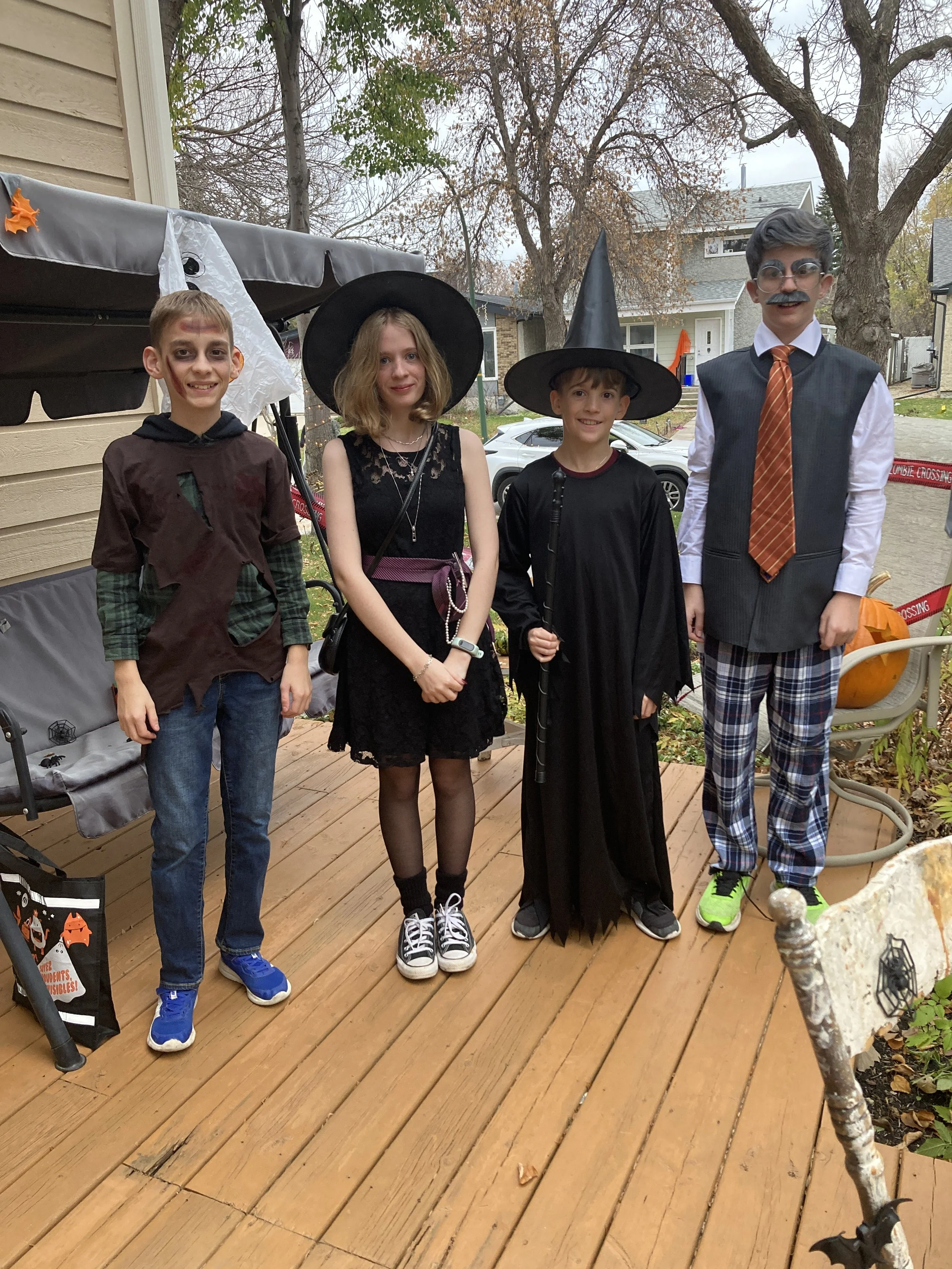
Welcome to another edition of things I found interesting this week. But first, Halloween! Our kids dressed up as a witch, a sorcerer and an old man and then dispersed near and far with friends to collect candy. Here they are, pictured with a friend dressed as a zombie.
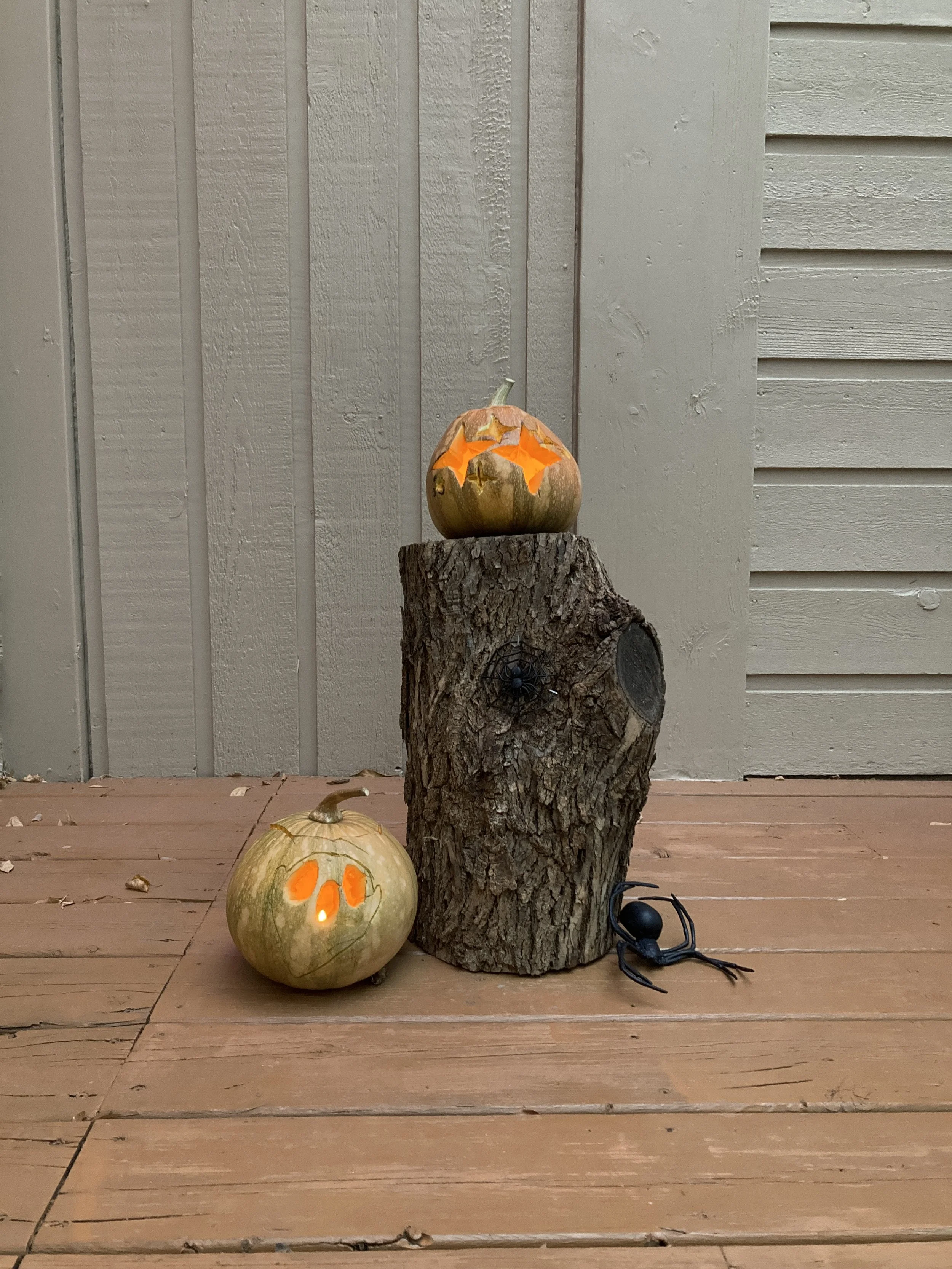
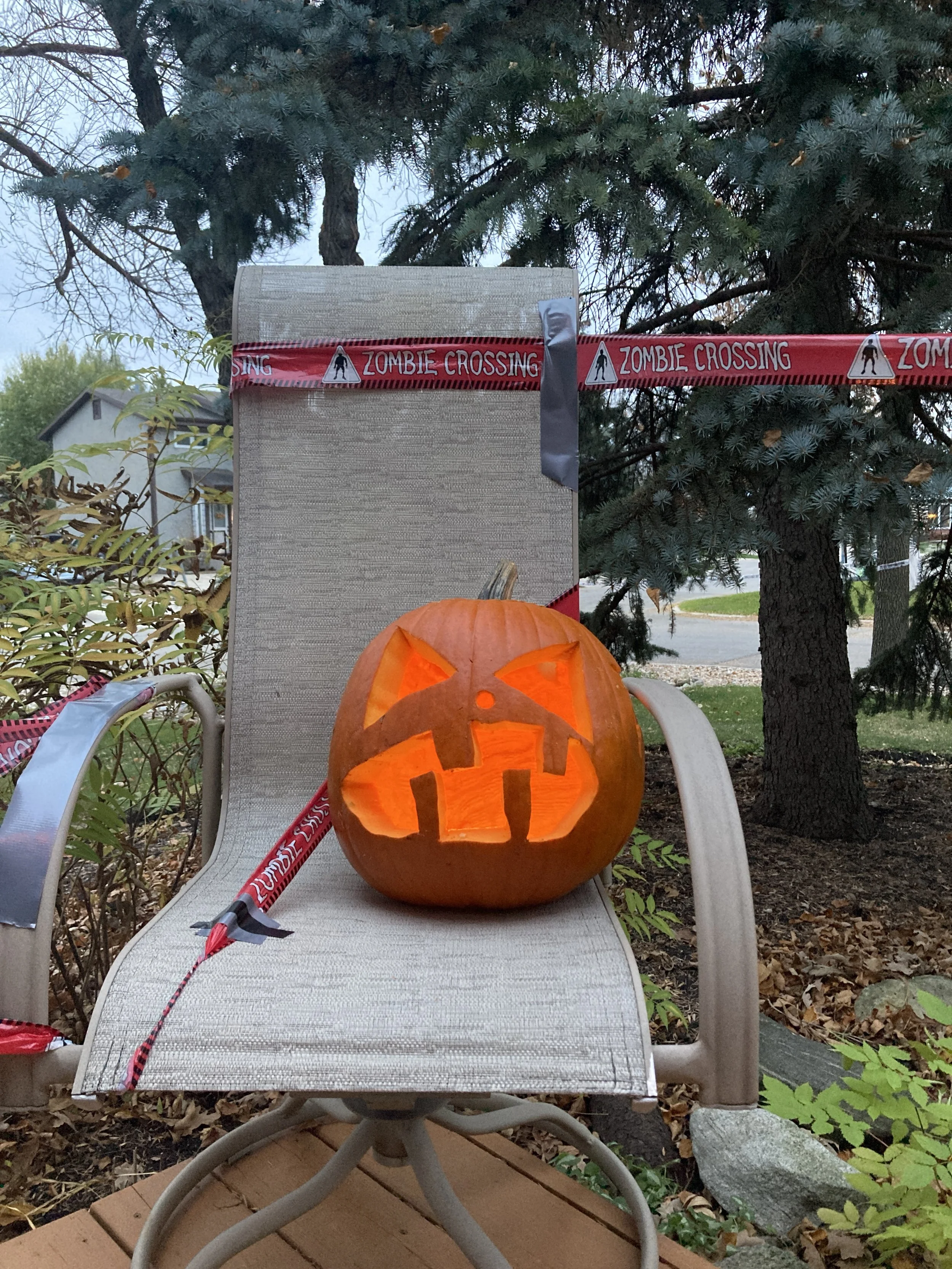
Our collection of carved pumpkins…
From Robert Caro
I watched Dwarkesh Patel’s interview with Robert Caro (here on Youtube). Caro’s generosity is admirable. And Dwarkesh is a considerate host. Present too is a chasm of years that can barely be bridged in an hour despite the supports of hours of research on the host’s part, English language in common, and good intention on the guest’s. Caro has answered interviewers’ questions many times, and interviewers have subjects of interest in common. Getting past those smooth-as-pebble answers is anyone’s challenge. A bit melancholy to see the interview end on the subject of loneliness?
To Knausgard
This BBC feature on Karl Ove Knausgard (here) was nice to watch. It reminded me of having enjoyed reading the first two volumes of My Struggle in 2018. Take this quotation for example…
When you visualized the future and conjured up a world in which urban life had spread everywhere and man had achieved his long-desired symbiosis with the machine, you never took account of the simplest elements, beer for example, so golden and flavoursome and robust, made from grain in the field and hops in the meadow, or bread, or beetroot with its sweet but dark earthy taste, all this which we had always eaten and drunk at tables made of wood, inside windows through which beams of sunlight fell. What did people do in those seventeenth-century palaces, with the liveried servants, high-heeled shoes and powdered wigs pulled down over skulls full of seventeenth-century thoughts, what else if not drink beer and wine, eat bread and meat and piss and shit? The same applied to the eighteenth, nineteenth and twentieth centuries. Conceptions of humanity changed constantly, conceptions of the world and nature too, all manner of strange ideas and beliefs emerged and vanished, useful and useless objects were discovered, science penetrated ever deeper into the world’s mysteries, machines grew in number, speeds increased and ever greater areas of old lifestyles were abandoned, but no one dreamed of discarding beer or changing it. Malt, hops, water. Field, meadow, stream. And basically that was how it was with everything. We were rooted in the archaic past, nothing radical about us, our bodies or needs had not changed since the first humans saw the light of day somewhere in Africa 40,000 years ago or however long Homo sapiens had existed. (p 521)
“Tiens!” As they say in French, to mean a kind of delight in discovery… In this paragraph, an appreciation of historical context (the “understanding” that biographers like Caro obsess over) and the deft display of commonalities (an aspect of the beauty of literature).
On Conversations with Tyler (here) I like how, over time, the desperate need for solitude he once experienced (mentioned here), has given way to acceptance:
I think that’s the best advice I ever got — to accept everything that happens. So if you have many children, it’s a good thing. If you don’t have children, it’s a good thing. You have to embrace it because that’s your life. That’s where you are, and writing should be connected to that — or painting or whatever it is.
Reading
This week I finished The Rings of Saturn, by W. G. Sebald. It felt exactly as a blurb describes it: “Stunning and strange - like a dream you want to last forever.” A quote:
If today, when our gaze is no longer able to penetrate the pale reflected glow over the city and its environs, we think back to the eighteenth century, it hardly seems possible that even then, before the Industrial Age, a great number of people, at least in some places, spent their lives with their wretched bodies strapped to looms made of wooden frames and rails, hung with weights, and reminiscent of instruments of torture or cages. It was a peculiar symbiosis which, perhaps because of its relatively primitive character, makes more apparent than any later form of factory work that we are able to maintain ourselves on this earth only be being harnessed to the machines we have invented. (p 282-3)
Cooking and baking
Our menu plan has cyclical favourites, year over year; like last year, we had “Five Spice Slow Cooker Pork with Noodles” and Deb Perelman’s “Vinegar Slaw with Cabbage and Dill” (here). We also tried Jeanine Donofrio’s “BBQ Tofu Bowls with Creamy Apple Ranch Slaw” here via The Dinner Plan.
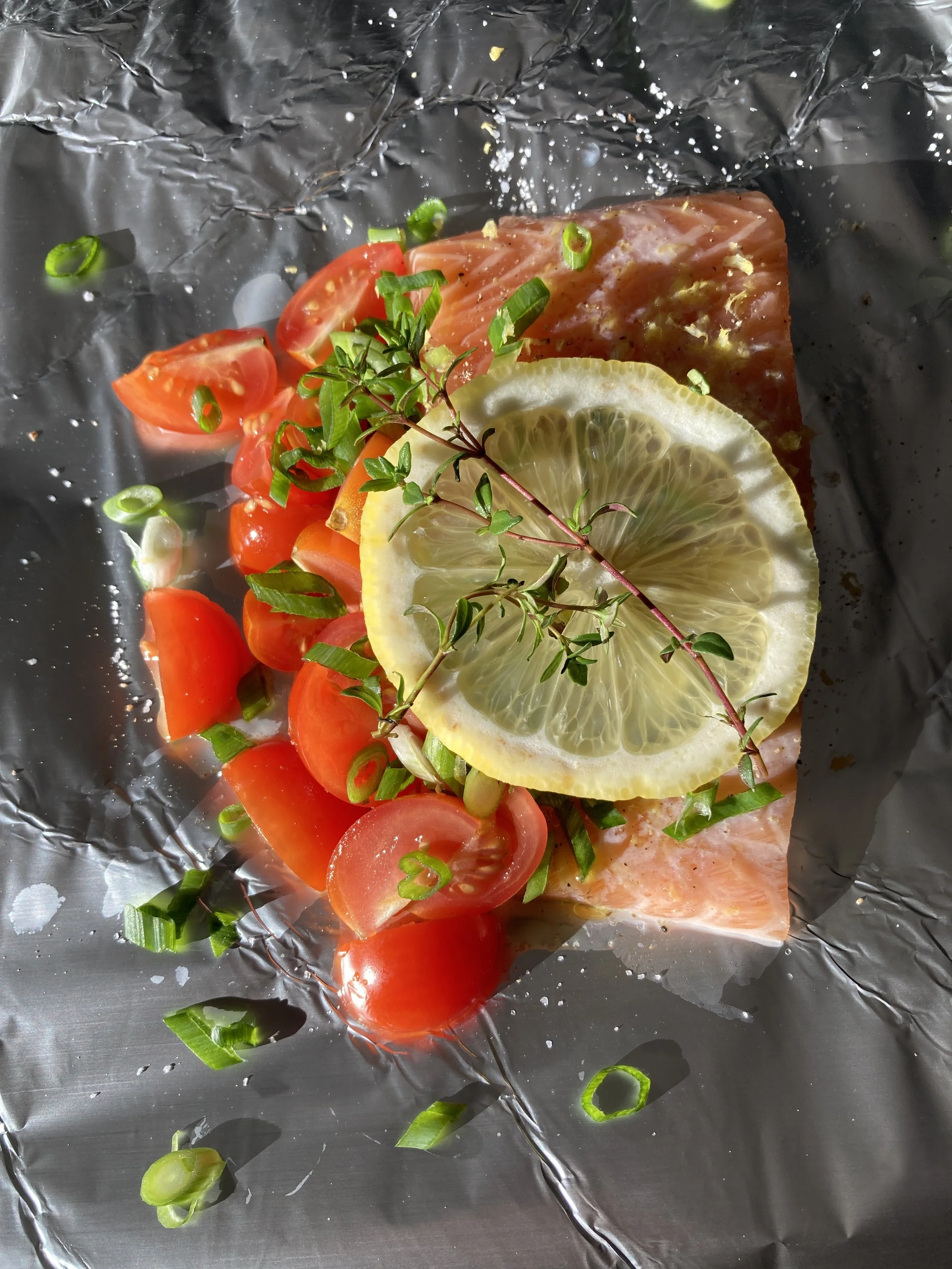
Last Sunday we had “Salmon and Tomatoes en papillote” from Dorie Greenspan. She has a recipe for 1 serving here. This, served with a simple fried rice, is a treat.
The sourdough “acquiring the skills” project continues, this week augmented by the acquisition of a Cambro.
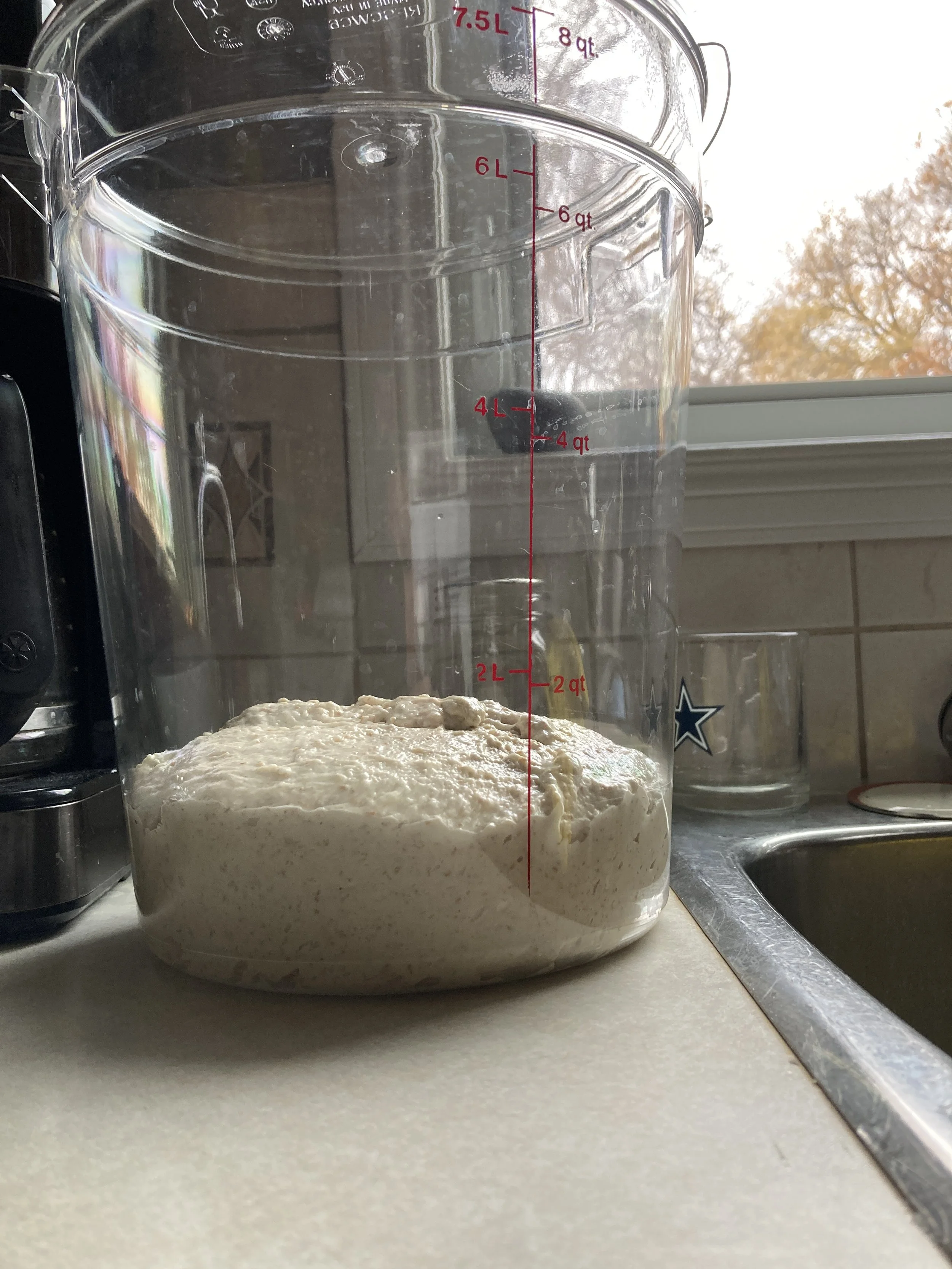
Finding this, and a bench scraper too, lead me to Winnipeg stores I hadn’t previously been in before… A Plus Restaurant Equipment and Supplies is downtown on McDermot and will be updating their website (here), making it possible to order items online.
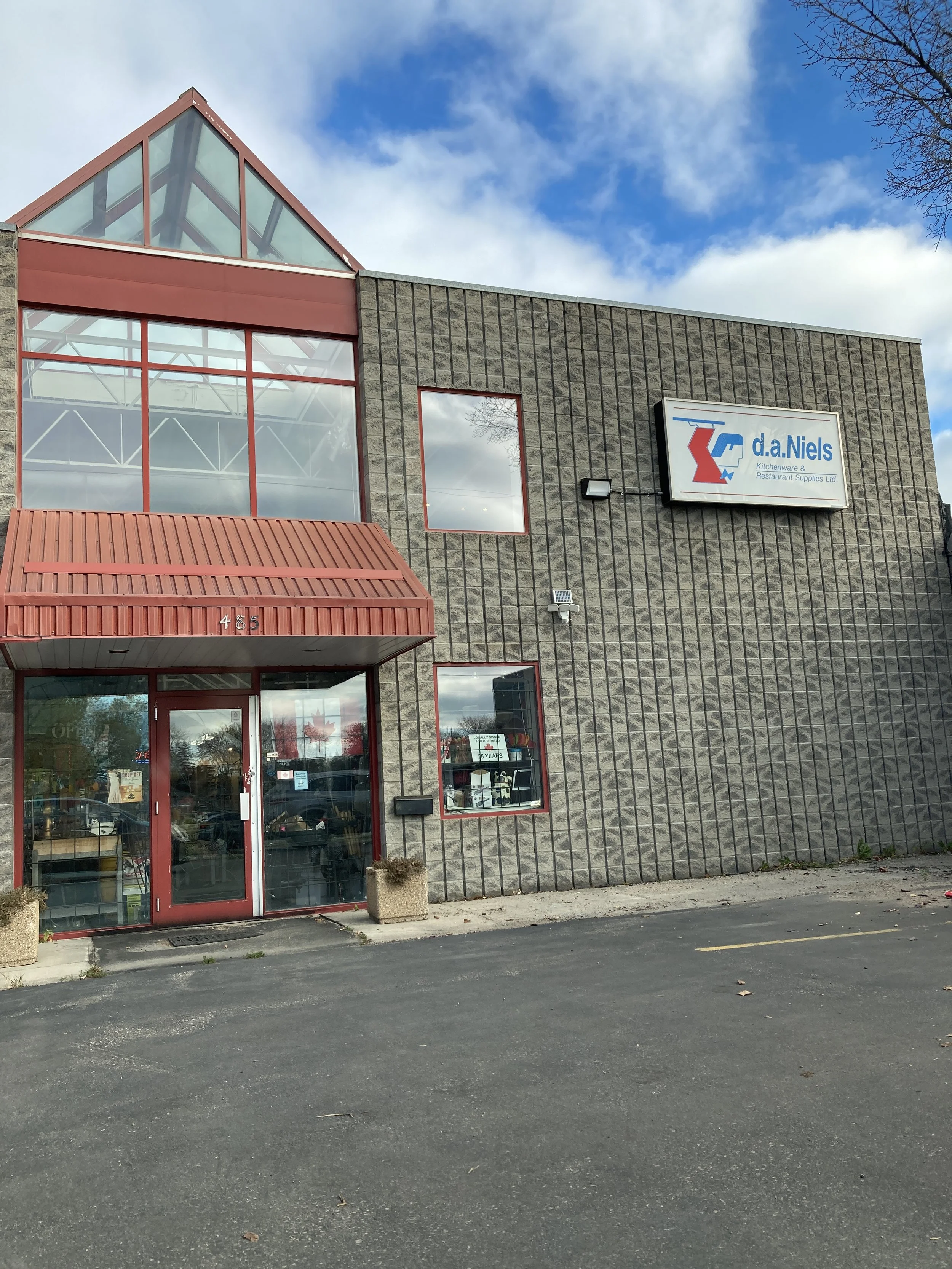
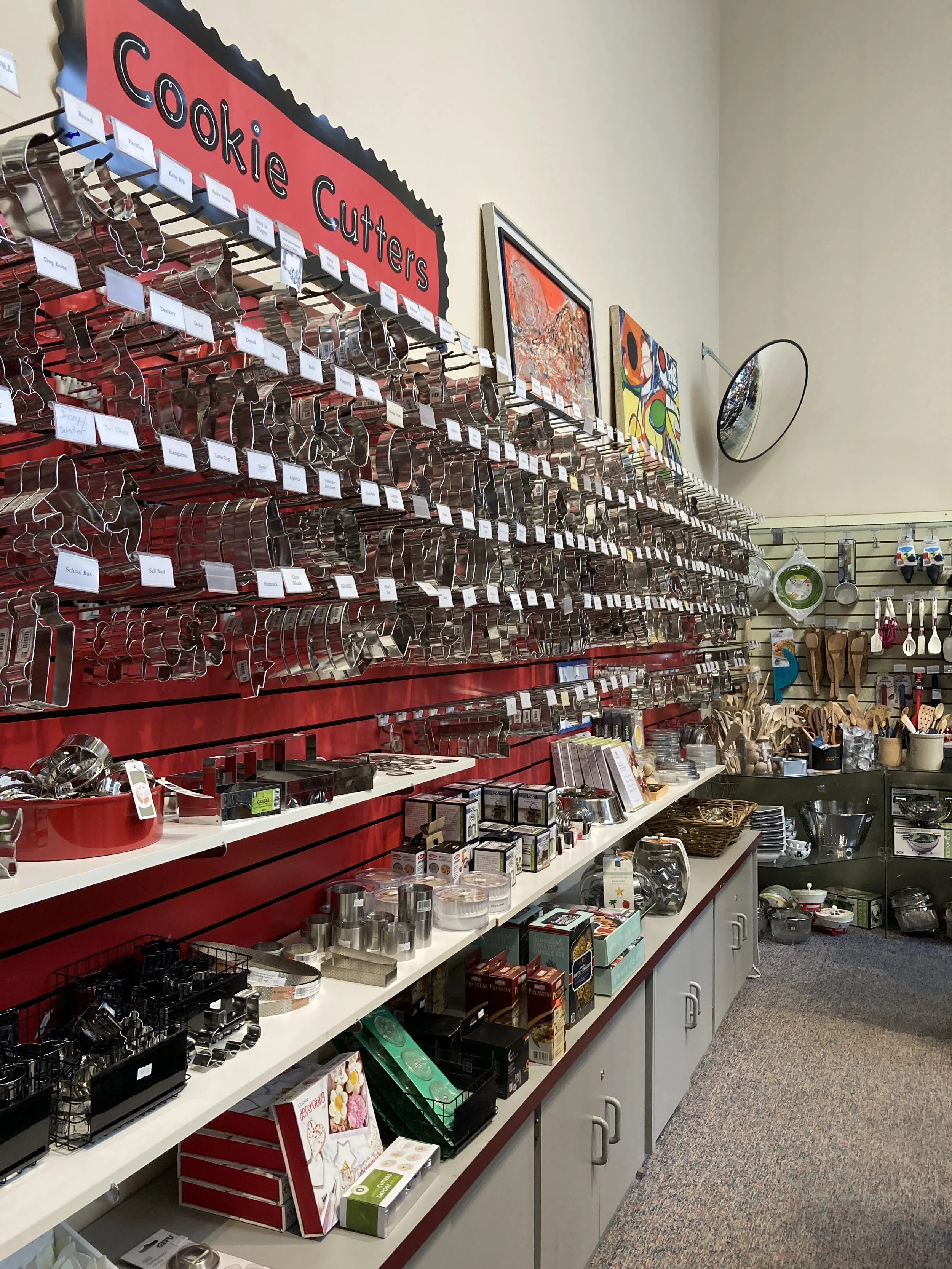
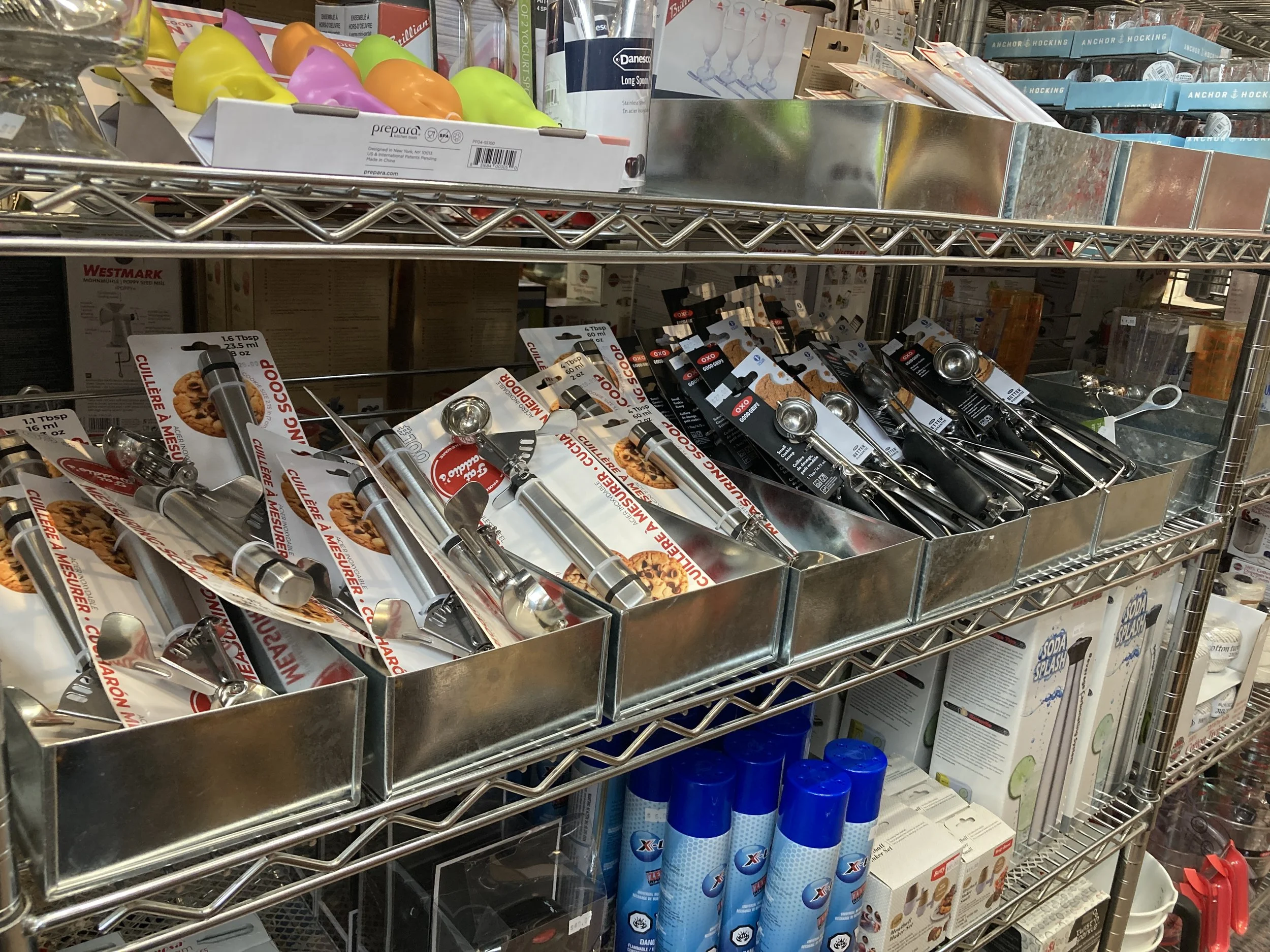
And d.a. Niels Gourmet Kitchenware (website) near the airport is fun to browse. For cookies alone, there are all these cookie scoops and cookie cutters!
Enjoying
Often, I don’t care about discoveries very much… but this one, of wheat (see here) (via) delighted my prairie sensibilities.
On a recent episode of the 10% Happier podcast (Youtube link here), guest Katherine May said something I really liked: “I increasingly think that the work for those of us who are not on the front line at the moment, apart from giving all the support we can, is to almost store up those soft parts of life, to kind of maintain them and look after them and tend to them, so that they are ready for the people who need them. It’s almost like we’re maintaining a vision of the world as it should be against that hideous mainstream […] vision of bitterness, selfishness, snatching, anger. It’s the opposite of that. It’s like the work that we do is to take care of all of the stuff that’s beautiful […].”
To follow Ken Sakata on TikTok is to discover the craftsmanship of clothing. Contrasting Sebald’s depiction of loom workers in the eighteenth century are these women, working for Kuska Fabric. Sakata’s description of the intricacy of silk weaving at this fabric mill is heartening (here).
Two outings this week lead me to lunch at the Oakwood Café with one friend, and The Forge with another. The Oakwood Café has recently changed ownership (see their introductory post on Instagram) and further signalling this shift is an overhaul of the restaurant’s decor… the vibe is curated vintage finds and I was charmed. Tables have their own sets of salt and pepper shakers. And look at this creamer!
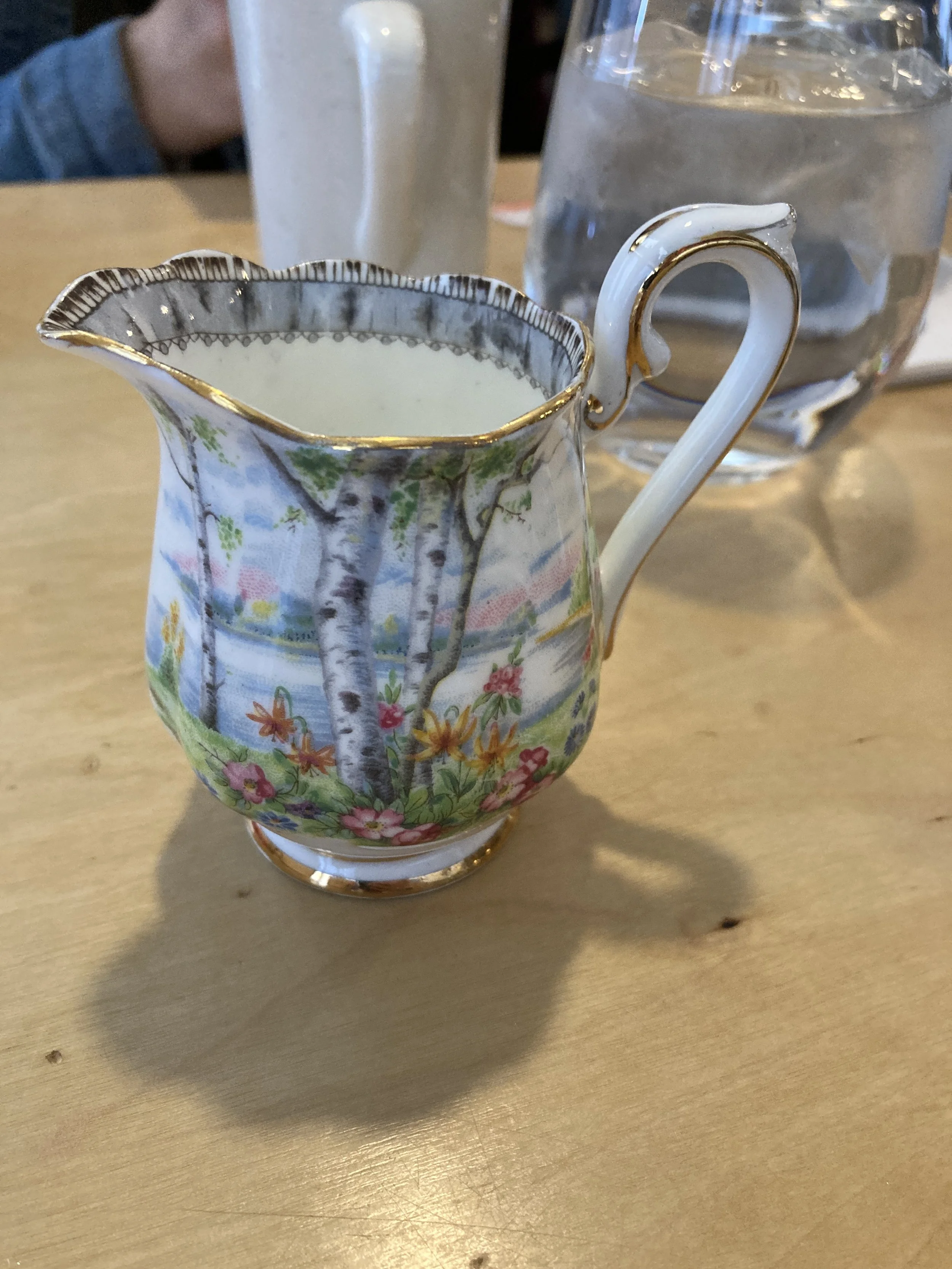
As for The Forge (website)… Writing more than once about the local neighbourhood coffee shop contravenes some vague rules that enforce novelty around here, but this bagel shop keeps evolving. It will soon be celebrating one year of business, and when it opened, it rewarded sweet-tooth expectations. On this week’s visit I chose the BLT on a Swiss and Ale bagel and the flavour combo was perfection. You might expect a business to open with their best foot forward, but this place keeps finding new ways to treat the tastebuds, and I’m happy for it!
How nerds throw a party
Finally, on the subject of entertaining, and because its fall, I really liked Malcolm Gladwell’s assessment of his father’s ability to gather students. He tells the following story:
My father, who was a nerd, but a very clever nerd, went to his graduate students. He said, “I’m going to have a party at my house called the leaf raking party.” And then the first year, like, five guys came, raked leaves, and then he had a dinner. And then they played party games of the sort that mathematics PhD students would like.
The next year, 15 people came. The next year, 40 people came. The next year people who had got their PhDs drove like hundreds of miles to come. And by the end of the leaf raking party, by the end, before we moved out of the house, it was literally like a hundred people from […] like 25 nationalities. […] it was this kind of joyous event. And no one cared that they were raking our leaves. […]
Your immediate sense of […] “oh, it’s a cynical act - he’s outsourcing labor to his grad students.” But if you knew my father, you knew that was the furthest thing from his mind. He understood […] ‘this is going to be way more fun if we do it together. A little outdoor physical labor is great. These are PhD students who are in their room all day.’ And then we’re going to have a fantastic dinner, and then we’re going to play the nerdiest, most complex party games […].
[…] The only reason he had that insight into how to create enduring connection with these people was that he was a nerd. And it was inconceivable for him just to have a party and invite people and have them mill around and talk. He wouldn’t have known what to do. He had to contrive this elaborate thing and that was the beauty of it.
He concludes:
The nerds, in compensating for their nerdiness, make the world a beautiful place. (Told here, on Revisionist History.)
Walking the dog
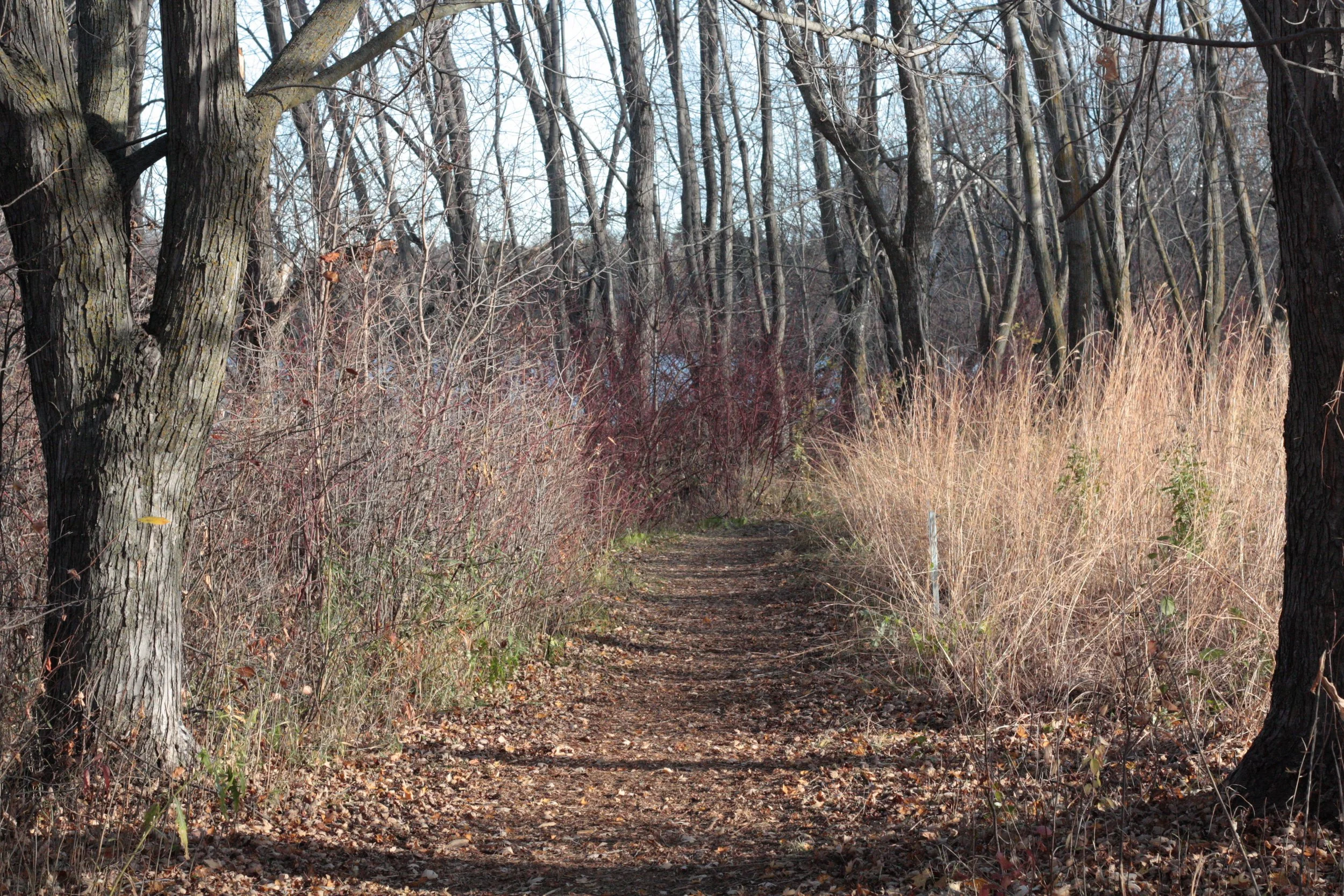
Our path along the river begins here, with an abandoned tree house, the kids who might have played there have long since grown…
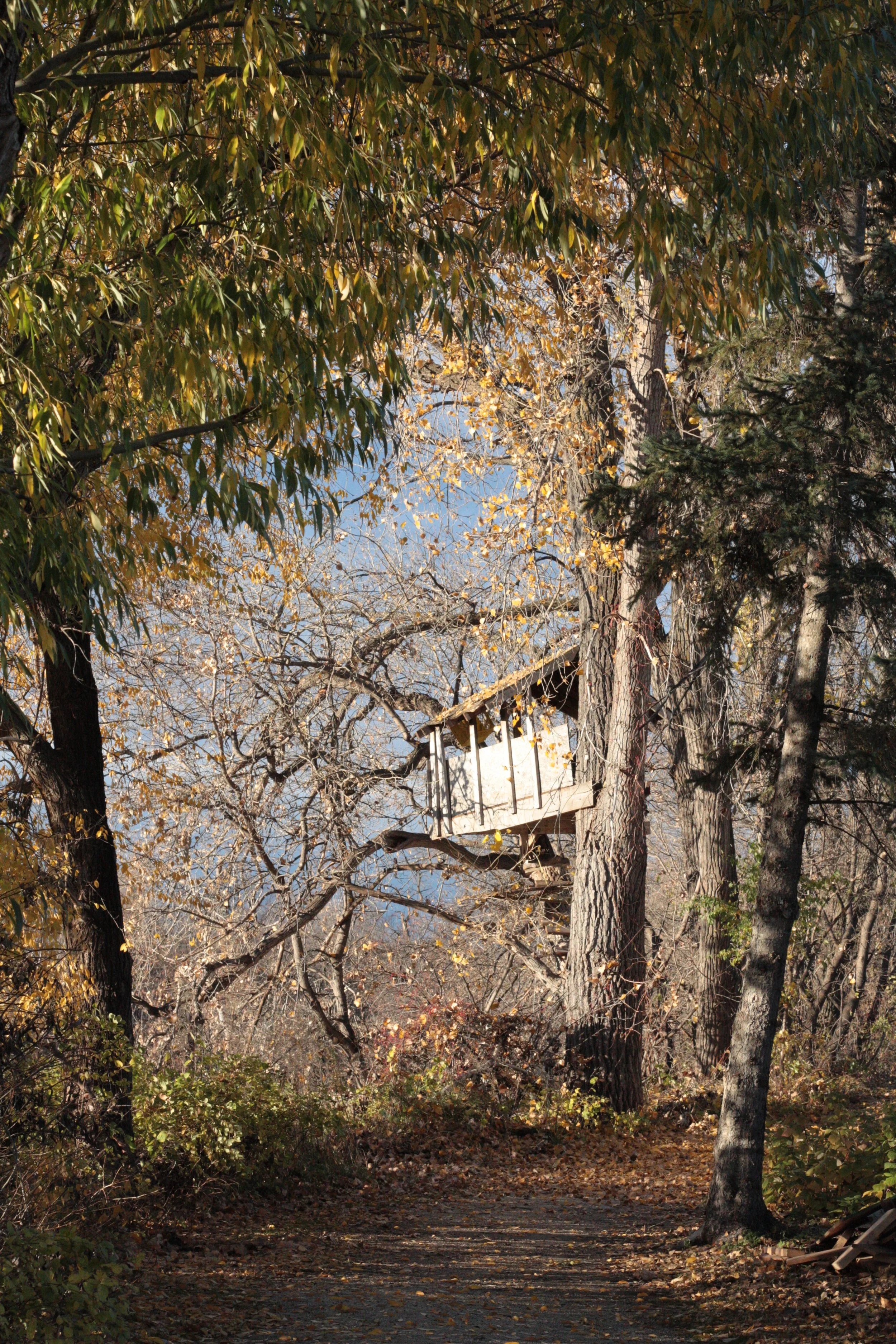
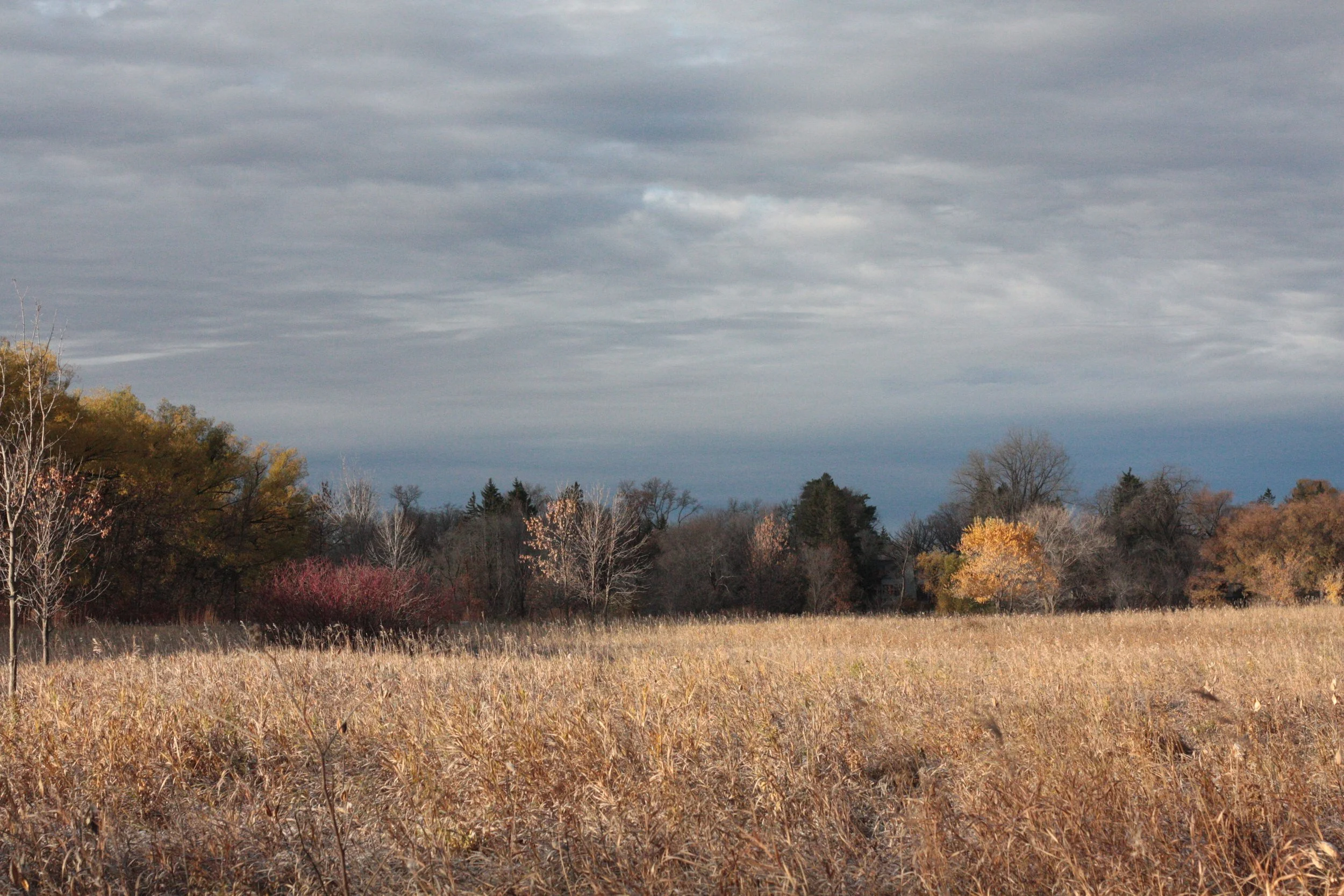
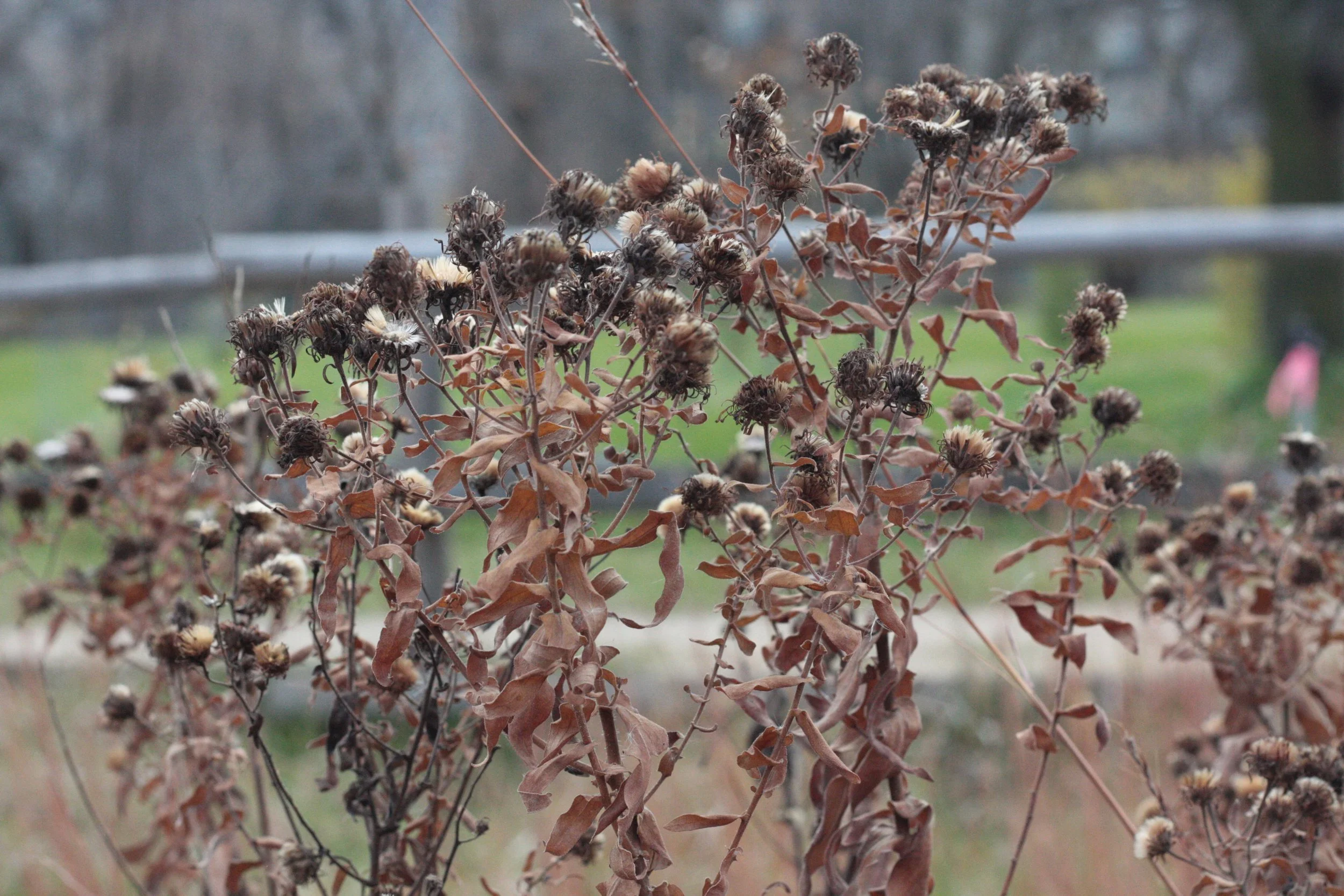
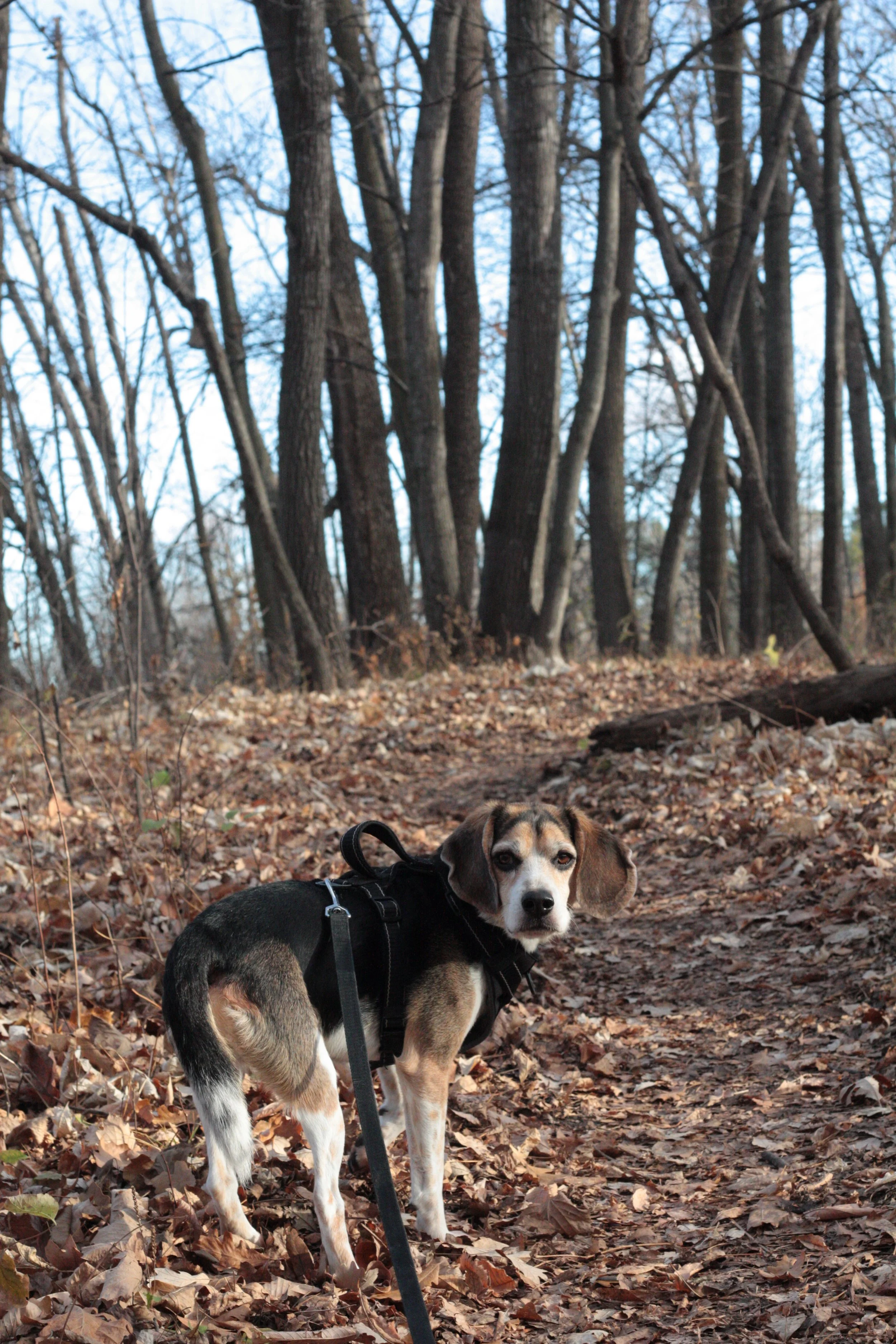
It’s another week of pretty fall colours… more bronze and gold and green and a pretty handsome dog.
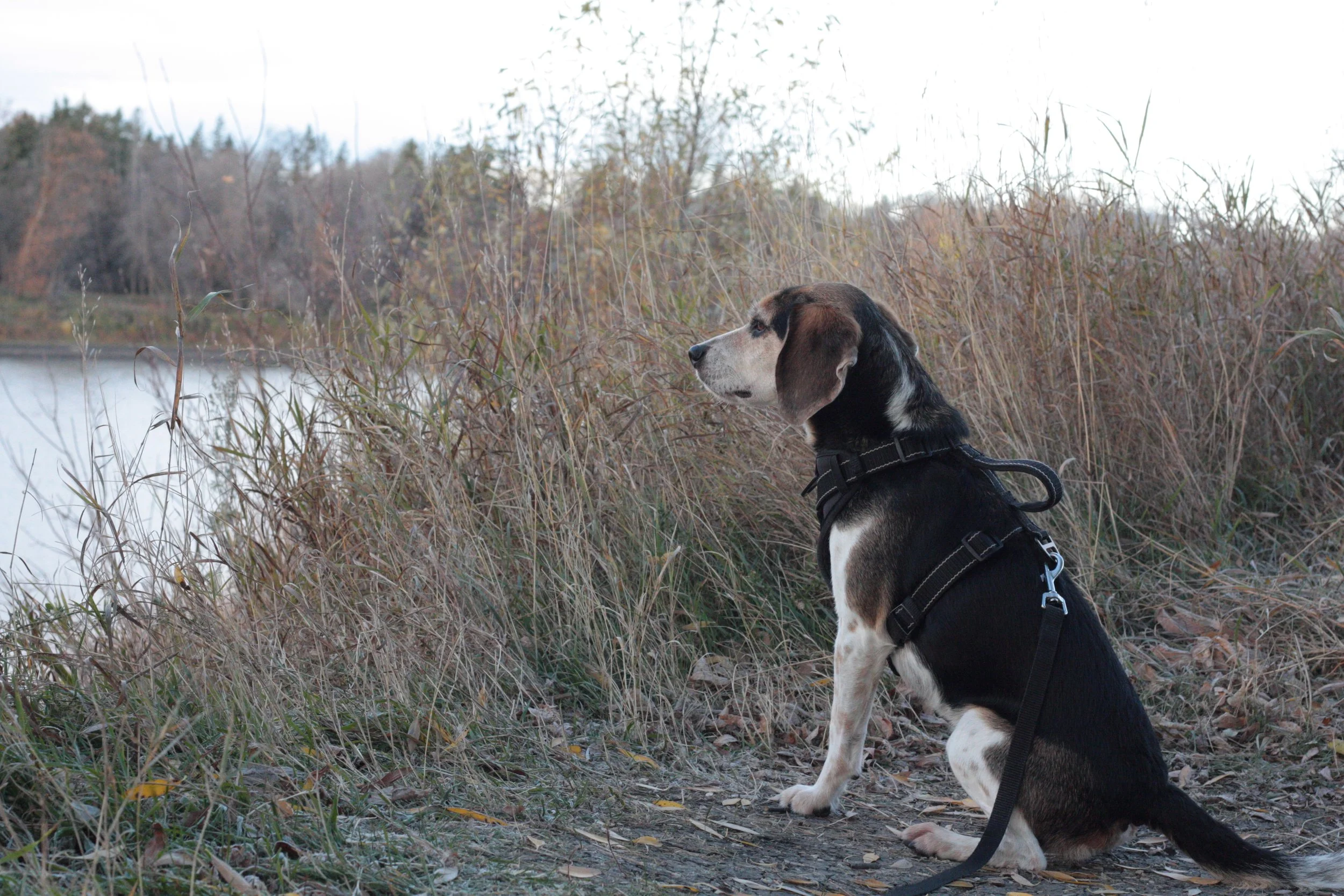
If you time it right, he will look into the camera…
Happy Sunday!