Friction
I really liked this essay titled “Deskilling the Body” by Melanie Challenger and the quote:
I have come to believe that our bodily deskilling is, in many ways, a loss of faith in what it is to be alive. A life of physical effort and friction is not only unavoidable if we want to be as resilient and capable as possible, but it is, in a nontrivial sense, the source of our intelligence. (via)
And to expand on the idea of friction, is this snippet from Dan Harris’ podcast interview with Neil deGrasse Tyson. First, deGrasse Tyson agrees with Harris that “the common critique of modern life, […] is that we’re lacking friction” and then he defines “friction” as “opposing forces that you must navigate, either through strength of will, physical strength, emotional strength, [or] intellectual strength.” And so, to sprinkle in a bit of ‘friction’ everyday, deGrasse Tyson says,
I try to make sure every day I’m alive, I learn something new. And learning something new - I forgot who said this brilliant quote [which is] - ‘there’s no greater pain of the human mind than the prospect of having to learn something new.’ We’re so comfortable in what we already know or at least what we already think is true that to take on a new idea can be challenging for some people because it brings a level of discomfort. And I happen to embrace discomfort because I come out a different person on the other side. (See here at around 7 minutes)
While these two quotes could be taken as arguments to get outside and read a book, I’m interested in the deeper implications, the events you don’t initiate, but choose to accept. Two examples have come across my TikTok feed: Grace Gaylord, a cookie decorator who posts inspiring designs, also shares how she is living with a father who is dying of Parkinson’s. In a recent video (here) she reflects: “Grief truly changes you on a molecular level, and if you let it, it will make you a better version of yourself, which is something that I did not really anticipate.” She explains:
Over his Parkinson’s diagnosis, over the last four and a half years or so, I chose to face the music. I chose to face my grief. I chose to face the loss of my dad. I chose to do the hard things. […] And I do not regret a second of it. […] I’m so grateful that I chose to let grief make me the person I am today, because the person I am today is stronger. She also has more compassion and empathy for other people, but more importantly for myself. […]
The second example is Robbie Tseng who posts videos about renovating a lake house while also taking care of his mother. Although the theme of caregiving is common between the two examples, what I appreciate are the different facets in the attitude of uplift. A trip to a specialty supermarket in Ohio thrills Tseng for how it triggers his mother’s memory (here). But it’s not just about food, it’s also about projects to beautify the landscape, to make their living more practical, to help his mother get back to her hobby of sewing. He’s often reflecting on ways to return to his last living parent an experience of feeling cared for, the way he felt they had cared for him.
To conclude, modern life affords us ease of travel and less physically arduous chores. But if we’re not careful about how we engage with the naturally occuring sources of friction that demand the exercise of will and intelligence and heart, we risk the atrophy of our humanity.
Cooking and baking
I’m always on the lookout for unanimously-pleasing vegetarian meals and Cup of Jo recently featured a recipe titled “Simple Vegan ‘Butter Chicken’” (here). This week we tried it, and it was, as promised, “a crowd-pleaser”.
On Sunday, after a meal of pasta and salad, I served oatmeal-coconut cookies with tembleque (recipe here). Pairing a cookie with ice cream ups the dessert of course, but tembleque is lighter. Dusted with cinnamon, it’s fancier than jello. No one argued for a smaller portion as is often the case with cake.
I liked Claire Saffitz’s quick tutorial on sourdough for the New York Times (here on Youtube). Mostly, I like how she describes making sourdough in the beginning versus the experience she has at the time of the video. “I didn’t understand sourdough the way I understand it now, which is that it is a practice. […] you can’t go on autopilot when you’re trying to make it. […] I just didn’t know what I was doing and I didn’t know what I didn’t know.”
Enjoying
Things that make me laugh: Losing my phone because I set it down in the stationary bike’s phone holder - a design feature I ignored until the moment I decided to use it - surprised my brain too dully for it to catalogue the spot. So as soon as I finished my workout, my phone was lost: black on black, silent mode, no tracking. I found it next morning, thanks to the morning alarm. For the 20 minutes three people spent looking for it, it sat in perfect camouflage; a kind of system failure that gets me in the funny bone. This other kind of “wiring” - a self-recognized need to look at and pick up rocks - made me laugh at this:

Even a designer like Caroline Irving has a collection of rocks on her fireplace mantel! (See here)
A new bread knife: Like anyone who makes an upgrade they didn’t know they needed to, ours, of late, has been in the acquisition of a proper bread knife.
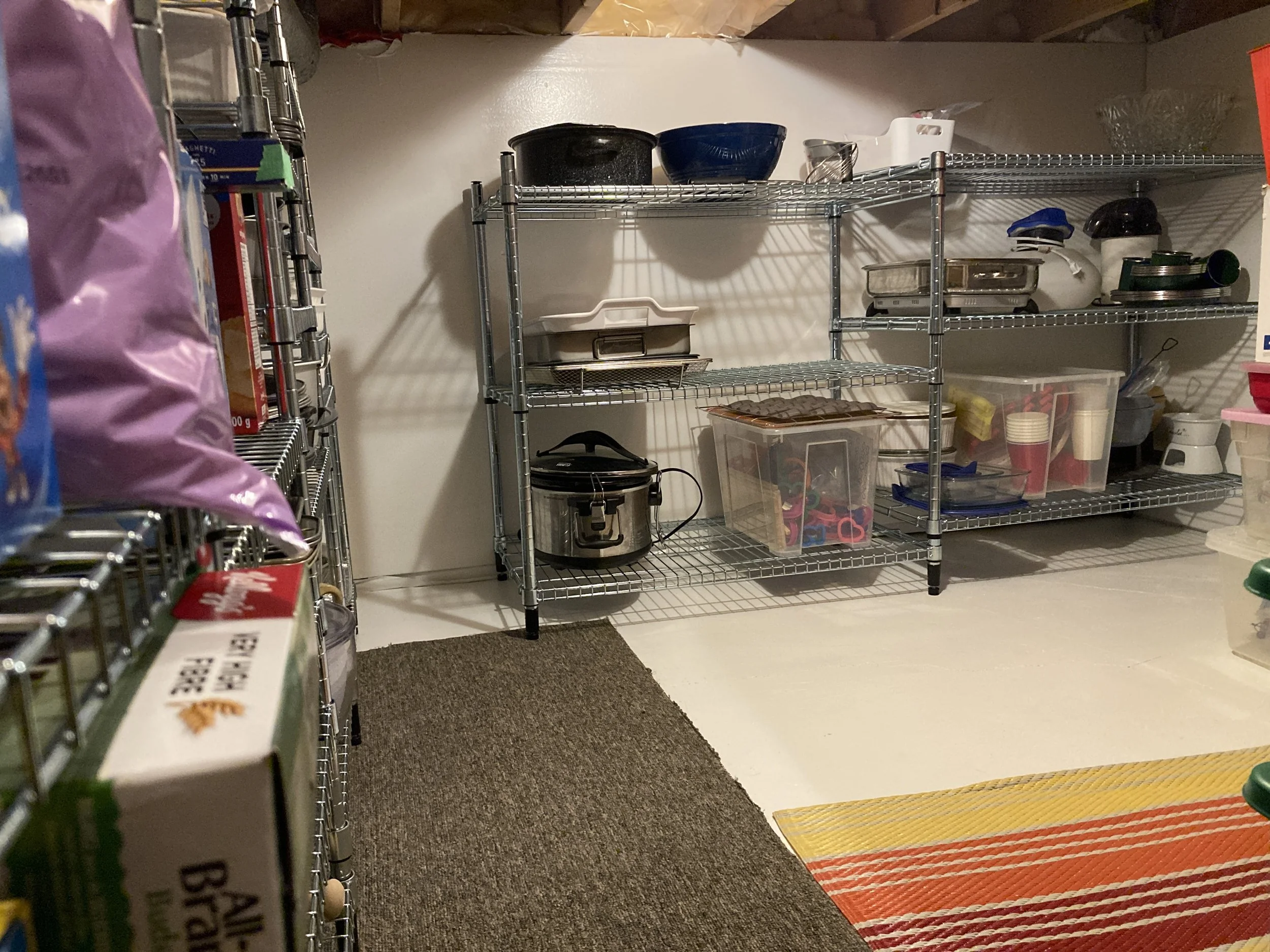
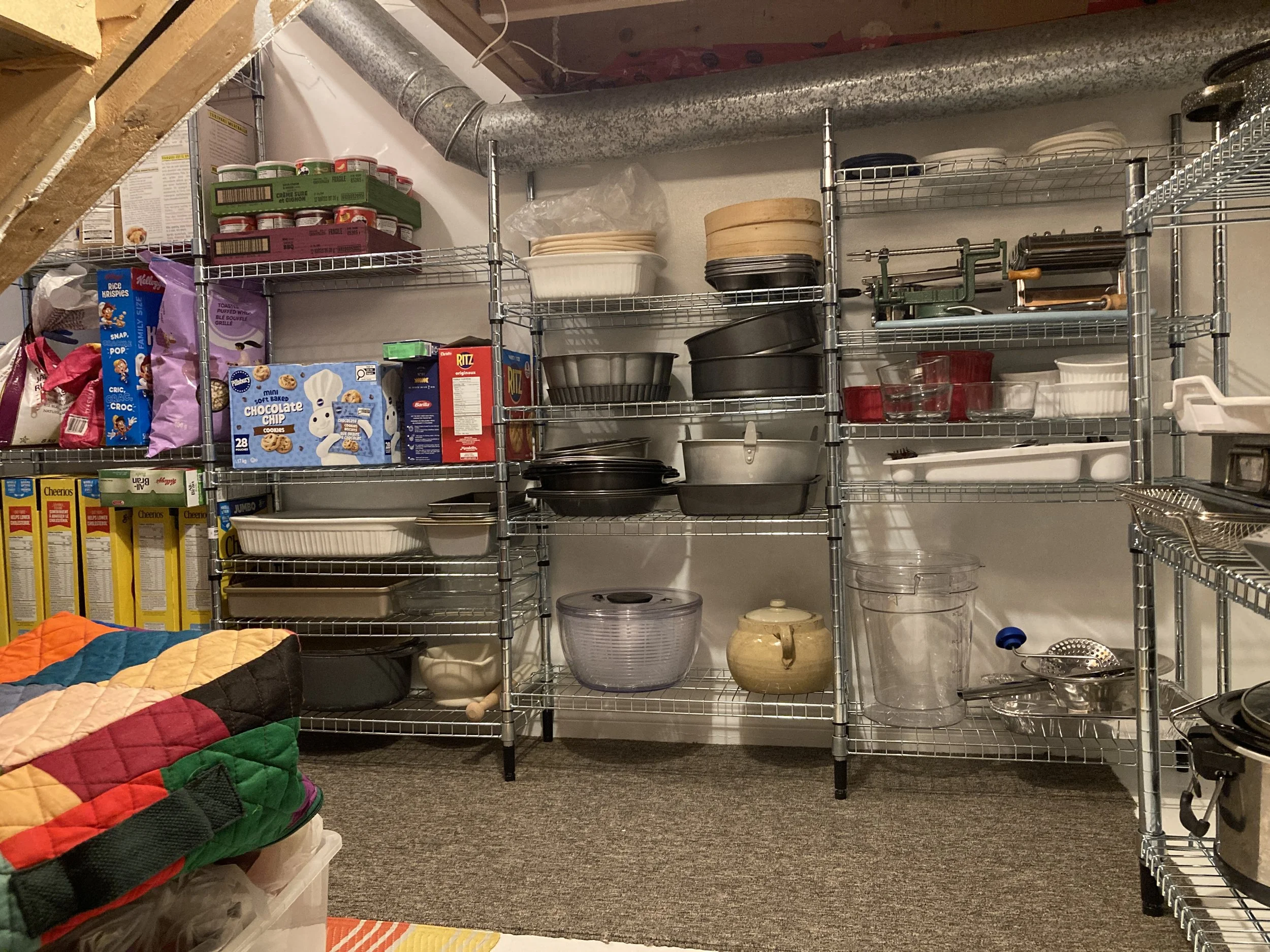
Under-stairs pantry: It is a fact that growing children and their expanding shower routines produce more humidity in a household. There was the purchase of a dehumidifier. More exciting however, was the re-organization of our under-stairs area for better airflow.
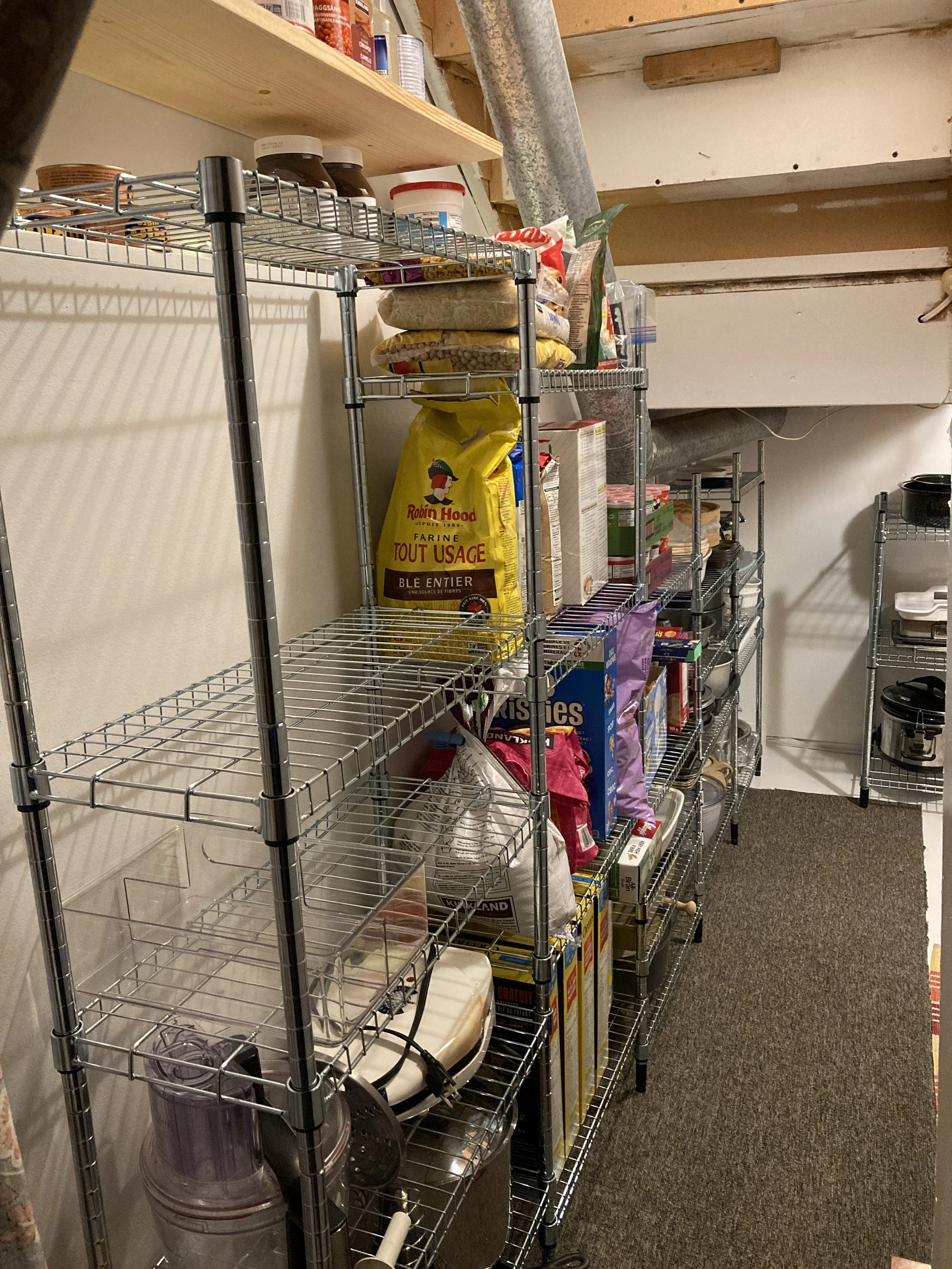
What had previously been our toddlers’ playroom was lingering in a limbo of haphazard storage and partial pantry that was becoming more and more hectic to venture into. IKEA’s Omar shelving served as a way to make this space so much more useful.
Walking the dog
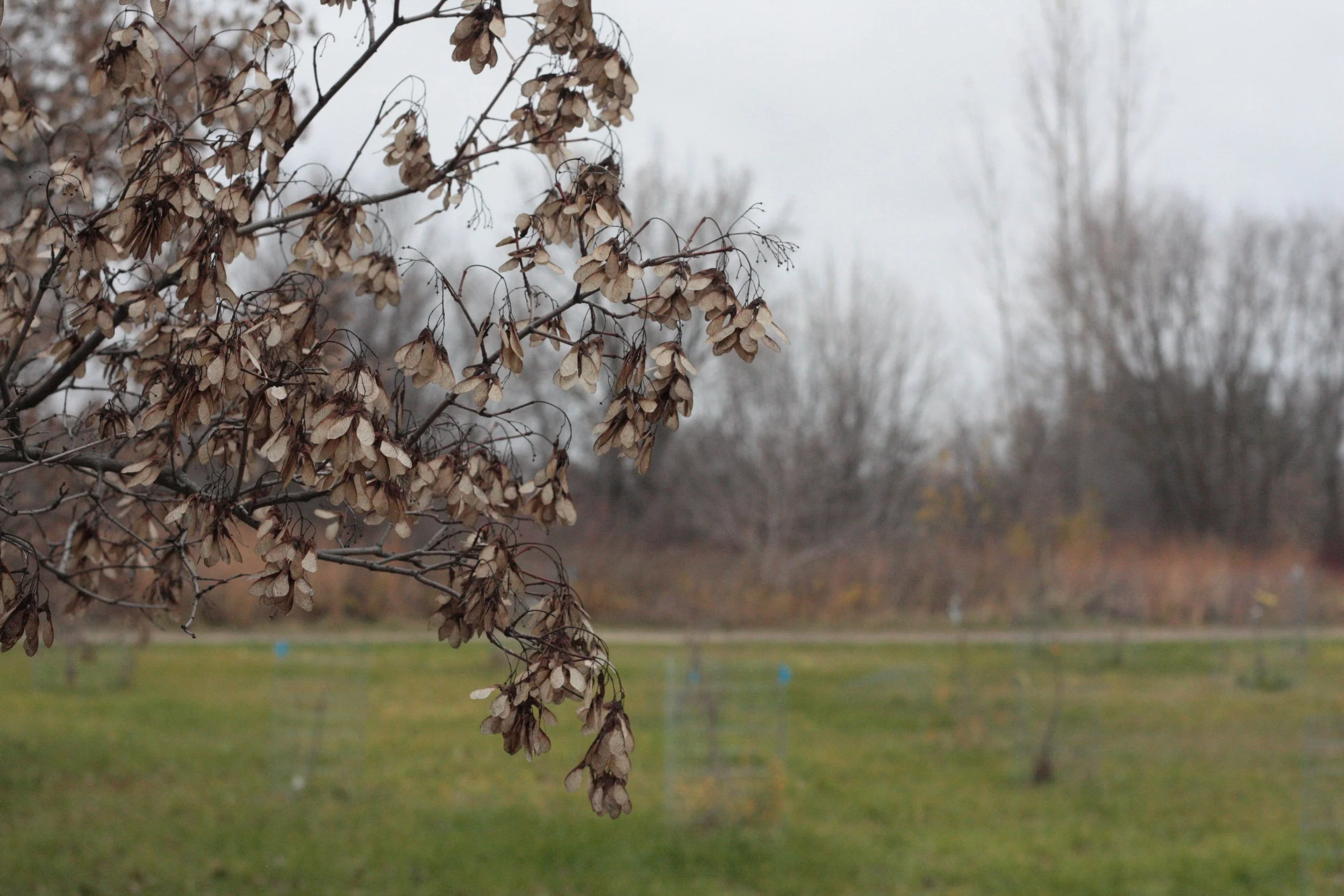
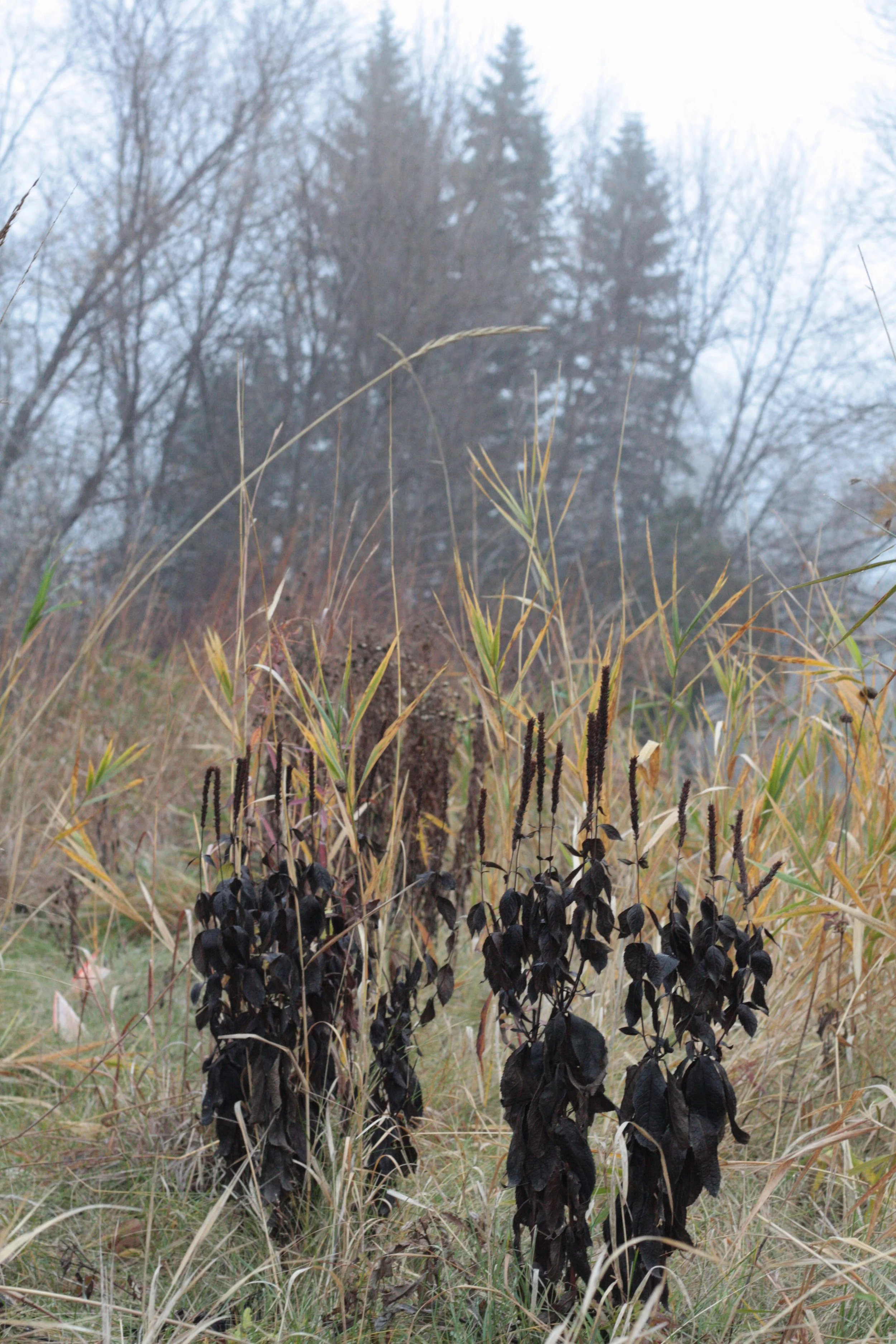
This week, some foggy, misty mornings…
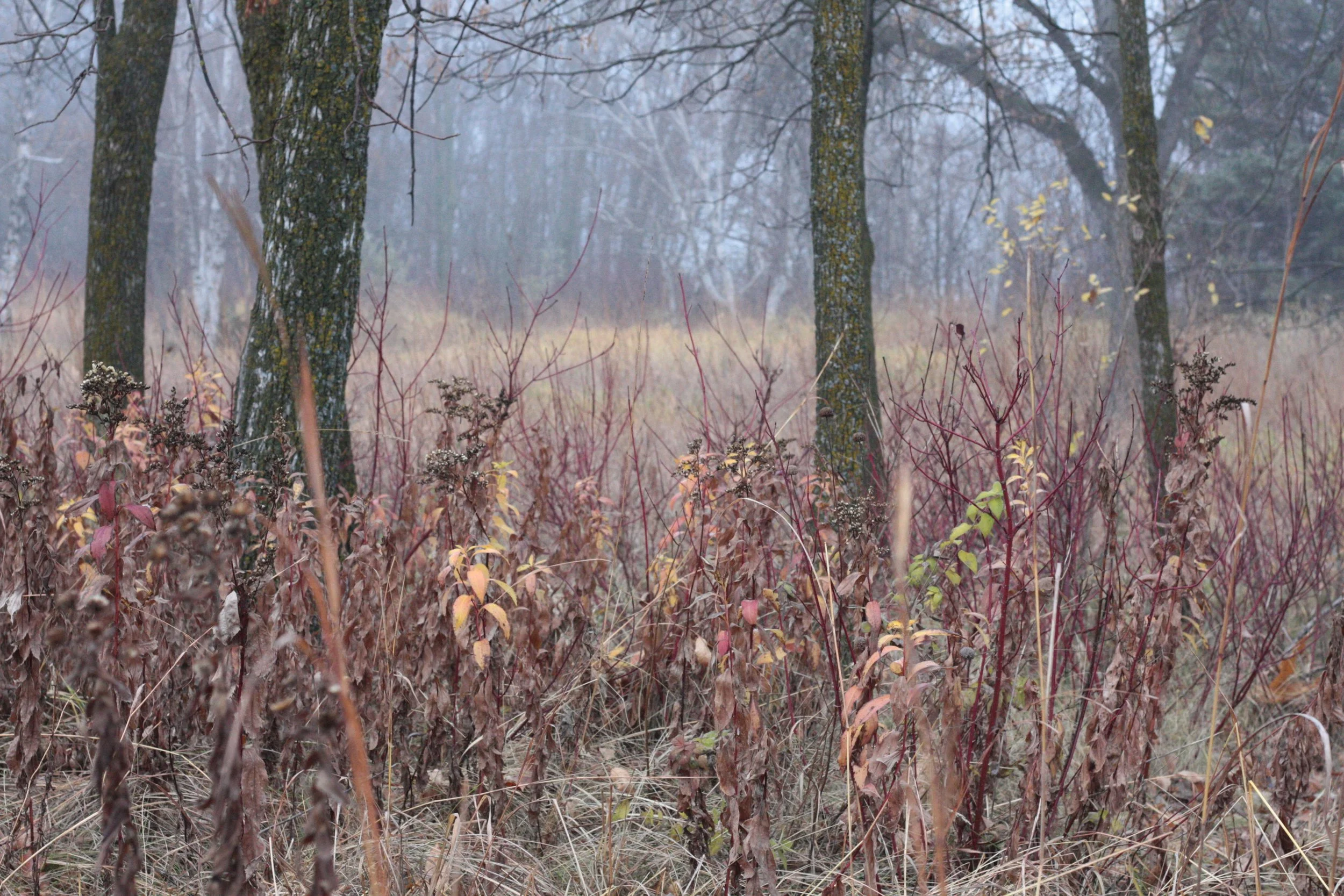
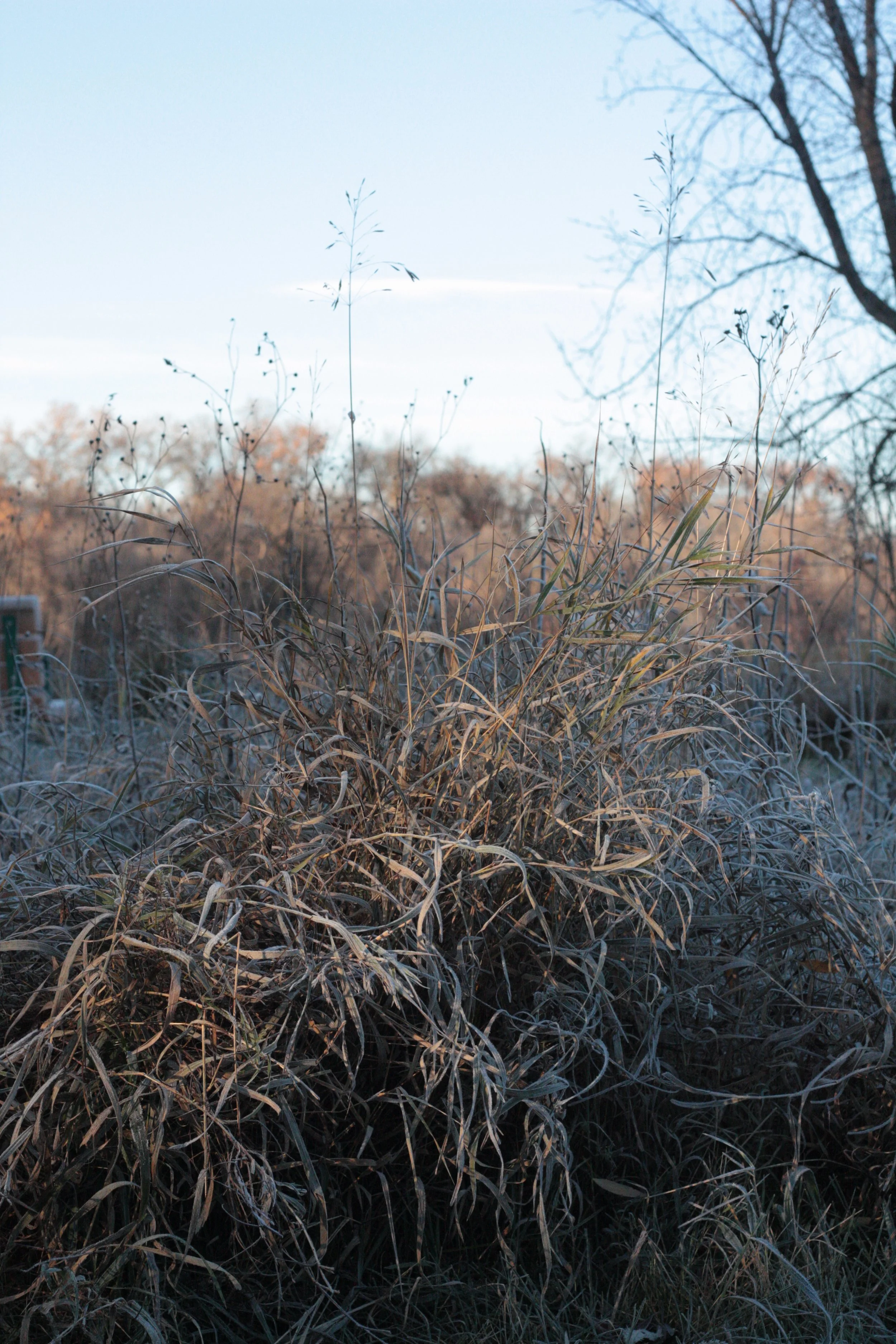
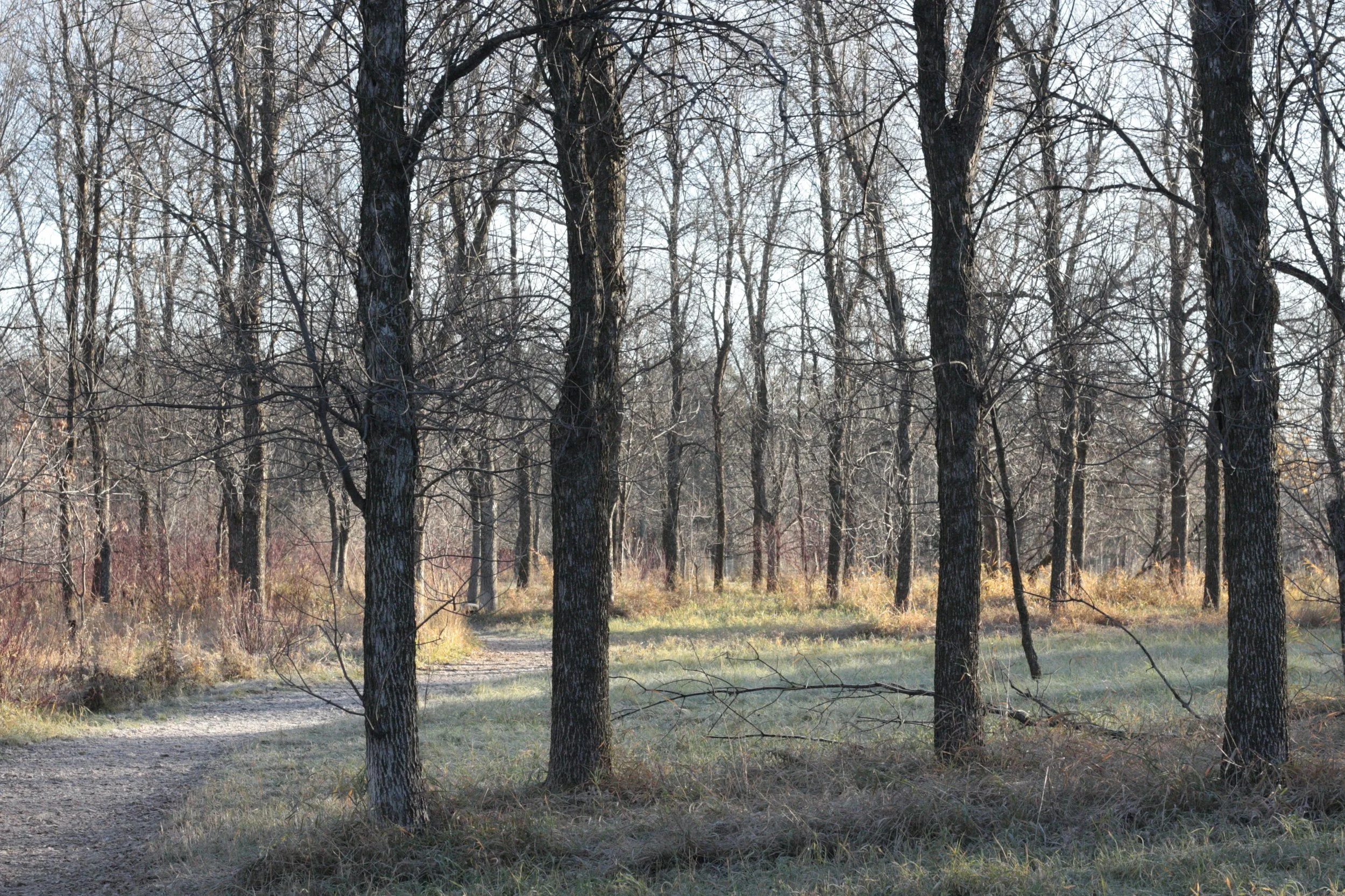
On Friday, a crystalline frost, accentuating individual blades of grass, and setting colour alight.
Happy Sunday!